BATCH-5276 · filed
Symrise extends Euca plant-based protection to rinse-off cosmetics
Symrise has rolled its Euca plant-based protection system into rinse-off cosmetics, opening a eucalyptus-derived route for shampoo, body wash and other wash-off formulations.
By Marcus Bennett · · 3 min read · 572 words
Composition
- Symrise extended its Euca plant-based protection system to rinse-off cosmetic formulations including shampoos and body washes
- Euca uses eucalyptus-derived compounds as the antimicrobial backbone of a botanical preservation system
- Rinse-off preservation is technically harder than leave-on due to short skin contact, in-use dilution and high post-use water activity
- Symrise has not yet disclosed full INCI declarations or recommended use levels for the rinse-off extension
- Formulators must still validate any plant-based preservative under EU Cosmetics Regulation Article 18 preservative challenge protocols
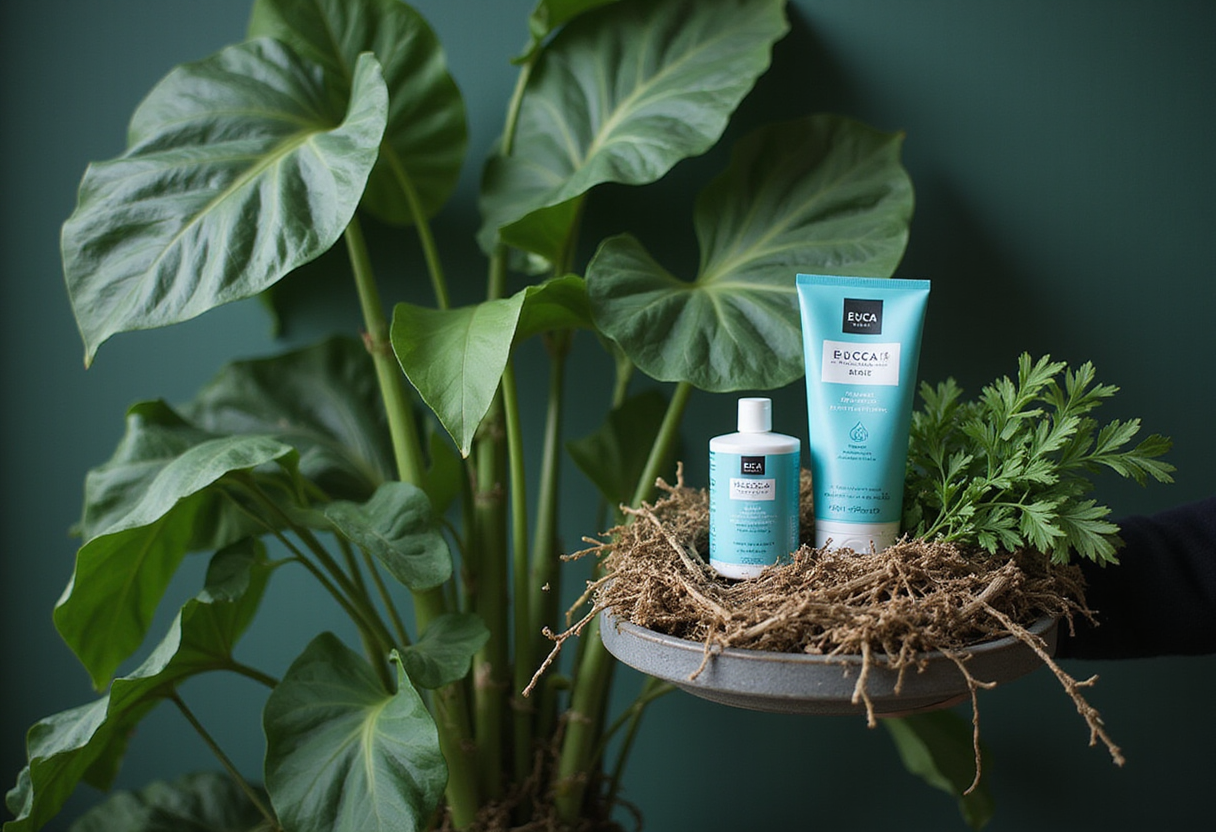
Symrise has rolled out its Euca plant-based protection system into rinse-off cosmetic formulations, opening a botanical preservation route for shampoos, body washes and other short-contact products where synthetic preservatives have historically dominated.
The German flavours and fragrances supplier, headquartered in Holzminden, is targeting formulators under pressure to remove phenoxyethanol, parabens and isothiazolinones while keeping microbial protection robust. Euca, a eucalyptus-derived system already in Symrise's broader ingredient catalogue, now extends into surfactant-heavy formats that previously resisted natural alternatives.
Why rinse-off is harder to preserve
Rinse-off formats punish preservation systems in three measurable ways. Contact time with the skin rarely exceeds 30 seconds. Dilution with water during use lowers the in-use concentration of any active. And water activity stays high throughout the bottle's shelf life once opened, favouring bacterial and fungal growth in residual product.
Standard petrochemical-derived preservatives handle this combination reliably and at low inclusion levels. Plant-based systems built on essential oils, organic acids or fermentation metabolites have historically needed higher concentrations to pass challenge testing, which can interfere with foaming, fragrance lift and skin feel in surfactant-rich bases.
What Euca brings to the bench
Symrise has positioned Euca as a synergistic blend of eucalyptus-derived compounds designed to deliver antimicrobial protection across surfactant systems. The supplier has not yet disclosed the full INCI declaration or recommended dosage range for the rinse-off extension, but Euca sits within a botanical actives family that includes skin-compatible multifunctionals.
The move slots into a wider Symrise push on clean-label ingredients, where the supplier combines fragrance design, cosmetic actives and preservation under one commercial structure. Mid-sized brands in particular gain a single point of contact for what would otherwise be three separate vendor negotiations and three separate safety dossiers.
What it changes for formulators
The rinse-off extension matters for product development teams in three practical ways:
- Surfactant compatibility: eucalyptus-derived actives can interact with anionic and amphoteric surfactants, requiring rebalancing of foam profile, viscosity and cleansing efficacy.
- Claim architecture: a botanical preservation story supports "no synthetic preservatives" or "plant-based protection" claims where the rest of the formula can support them, particularly relevant for retailers enforcing clean-beauty mandates.
- Regulatory load: any new botanical preservative still needs EU Cosmetics Regulation Article 18 preservative challenge, with preservative efficacy testing against standard microbial panels and stability data under surfactant conditions.
Procurement and compliance implications
For procurement, Symrise's vertical integration is a lever. Brands consolidating fragrance, functional ingredients and preservation with one supplier reduce qualification timelines and shrink the incoming-goods testing matrix.
For compliance teams, however, "plant-based" is not a regulatory category. Eucalyptus-derived compounds still need individual safety assessments under the EU SCCS Notes of Guidance, and any new INCI entry still needs to be checked against existing Annex V preservative positive lists.
What to watch next
The data point trade readers should track is the publication of Symrise's full technical dossier for Euca in rinse-off systems. That dossier should include challenge test results against standard microbial panels (P. aeruginosa, S. aureus, E. coli, C. albicans, A. brasiliensis), recommended use levels across common surfactant types, and any EU Cosmetic Products Notification Portal (CPNP) entries tied to specific INCI declarations.
Watch also for the first brand-side launches citing Euca in rinse-off SKUs, which typically pilot with one or two European contract manufacturers before broader retail distribution.
via Google News - Cosmetic Ingredient (Source)
More from Marcus Bennett
Show full bio
Correspondent covering consumer brands and retail at INCI File.
106 articles
Cross-references · Related articles
- EU Requires 80+ Fragrance Allergens on Labels by July 31, 2026
- BASF pairs sustainable extraction with skin regeneration research
- Symrise inaugurates Grasse production site for Lautier 1795 naturals
- Symrise launches plant-derived L-carnosine for prejuvenation
- Symrise adds exosome ingredient to regenerative skin portfolio
End of monograph · 3 min read