BATCH-1256 · filed
EU Requires 80+ Fragrance Allergens on Labels by July 31, 2026
EU cosmetics placed on the market after July 31, 2026 must individually label approximately 80 fragrance allergens—up from 26—under Commission Regulation (EU) 2023/1545, with thresholds of 0.001% for leave-ons and 0.01% for rinse-offs.
By Sophie Lindqvist · · 4 min read · 705 words
Composition
- Approximately 80 fragrance allergens must now be individually declared, up from 26, under Commission Regulation (EU) 2023/1545 amending Annex III.
- Leave-on threshold: 0.001% concentration; rinse-off threshold: 0.01% concentration; prehaptens and prohaptens included.
- New products must comply from July 31, 2026; pre-deadline inventory may sell under legacy labels until July 31, 2028.
- Industry trade bodies IFRA, CTPA, NATRUE, and Cosmetics Europe (which issued 2023 guidance) have coordinated compliance support.
- Great Britain has not yet adopted parallel rules, but CTPA's Primary Authority arrangement accepts EU-compliant over-labeling on the GB market.
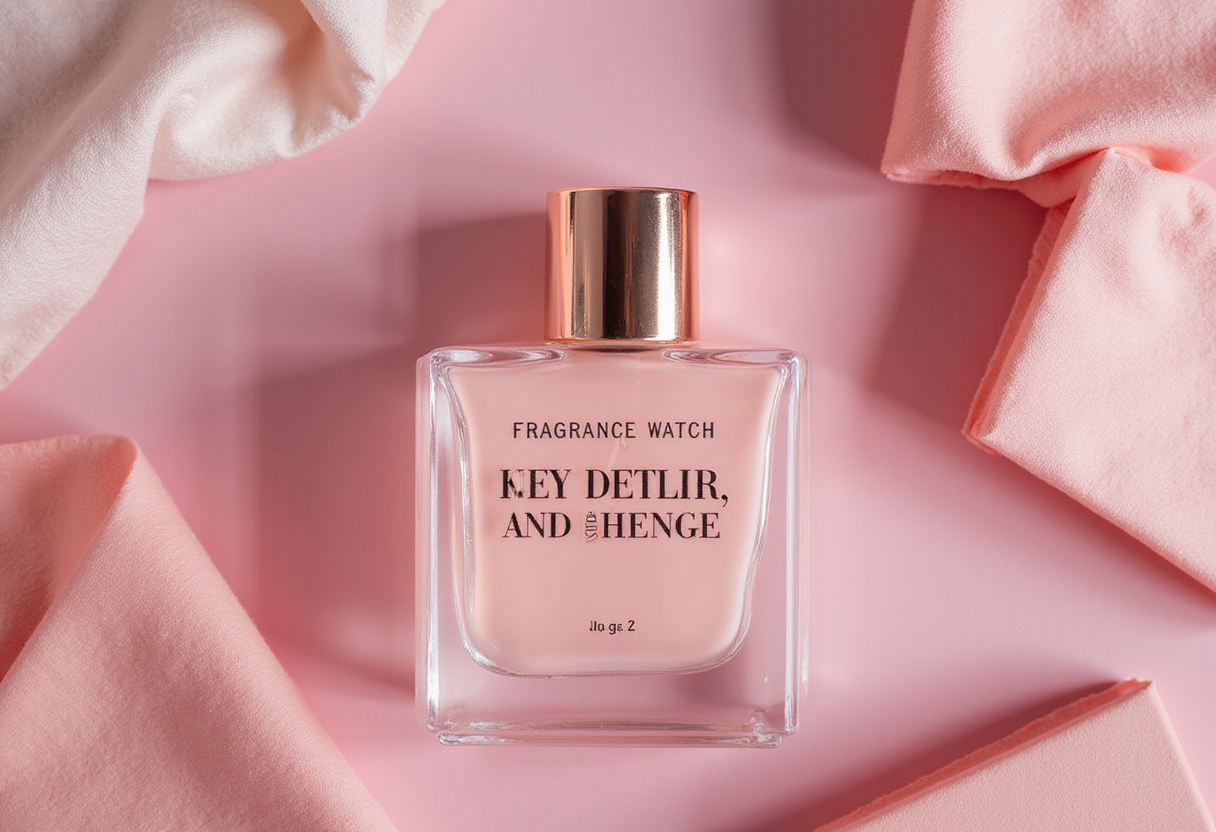
EU cosmetics must individually declare approximately 80 fragrance allergens on pack for any product entering the market after July 31, 2026—a near-tripling of the previous 26-substance threshold set under Commission Regulation (EU) 2023/1545.
The rule, published in 2023 and amending Annex III of the EU Cosmetic Products Regulation, covers the EU and Northern Ireland. Leave-on products trigger individual allergen labeling above 0.001% concentration; rinse-off products cross that line at 0.01%. The list also captures prehaptens and prohaptens—fragrance substances that convert into known contact allergens through air oxidation or metabolic activation.
Existing inventory placed on the market before the July 2026 cutoff may continue under legacy labeling until July 31, 2028.
How big is the compliance workload?
Trade associations describe the exercise as the most complex operational adjustment the category has faced in years.
"The expanded allergen labeling requirements represent one of the most operationally demanding compliance exercises the beauty and personal care sector has faced in recent memory," said Charles de Lusignan, Global Communications Director at the International Fragrance Association (IFRA).
Modern fragrance formulas routinely contain several hundred raw materials. Mapping, verifying, and documenting allergens across portfolios that can run into thousands of SKUs is "not a trivial task, even for well-resourced businesses," Lusignan told BeautyMatter.
Dr. Emma Meredith, Director-General at the UK Cosmetic, Toiletry and Perfumery Association (CTPA), framed the same point for smaller players: "a very complex and time-consuming task" has rippled through businesses of all sizes, she said, with SMEs absorbing the heaviest resource hit.
Companies working with botanical extracts, essential oils, and fragrance blends face the deepest exposure, Meredith added, since each supplier must furnish allergen breakdowns for mixtures and naturals that frequently contain newly listed substances.
Does this force reformulation?
No. Industry voices emphasize that the law targets transparency, not safety.
"It is important to remember that this is not about ingredient safety. Fragrance allergen ingredients and substances need to be labeled, not removed," Meredith said.
Lusignan echoed the position: "This is fundamentally a transparency exercise, and it does not in itself require reformulation." The expanded list "principally covers substances identified as potential skin sensitizers by the EU's scientific advisory bodies, many of which have a long history of safe use in perfumery," he added, noting that such materials are typically used at very low concentrations.
The SCCS issued its original scientific opinion in 2012. IFRA has worked with the European Commission since, alongside the Research Institute for Fragrance Materials (RIFM) and the International Dialogue on the Evaluation of Allergens (IDEA) project, to align the framework with real-world formulation practice.
Where does the UK stand?
Great Britain has not yet adopted parallel rules. Companies placing product in both Great Britain and the EU market may, however, over-label.
"If companies update their label to comply with the EU requirements, and also wish to place the same cosmetic product on the GB market, the 'over labeling' will still be accepted as compliant in GB," Meredith said, citing an Assured Advice arrangement CTPA brokered through its Primary Authority Partnership with Trading Standards.
NATRUE President Dr. Florian Stintzing pressed for harmonized, science-based implementation. "Clear and consistent guidance is essential to ensure transparency for consumers without leading to unnecessary confusion or 'over-warning' of products," he said, citing the natural cosmetics segment as especially exposed.
Will fragrance IP stay protected?
Industry groups say yes. "The new allergen labeling requirements add targeted, consumer-facing transparency on specific substances of potential concern, which is distinct from full formula disclosure," Lusignan said. "The creative and commercial integrity of fragrance development remains intact."
Cosmetics Europe published guidance in 2023—the working reference for most compliance teams—covering documentation and labeling obligations across leave-on and rinse-off categories.
What comes next?
Watch three markers: any UK decision to mirror the EU list, the next Commission review of Annex III, and IFRA's continued work with RIFM and IDEA on exposure-based risk assessment. For brands yet to finalize portfolio labeling, the practical priority is supplier disclosure—confirm allergen breakdowns with fragrance houses and essential oil vendors before the July 2026 marker, then audit every SKU against the 0.001% and 0.01% thresholds.
via eur-lex.europa.eu (Original)
More from Sophie Lindqvist
Show full bio
Market editor covering marketplaces and e-commerce at INCI File.
78 articles
Cross-references · Related articles
End of monograph · 4 min read