BATCH-5319 · filed
South Carolina Rules Mobile Beauty Salon Illegal
South Carolina regulators say a mobile beauty salon is illegal, exposing a licensing gap for on-wheels operators and their clients statewide.
By Marcus Bennett · · 2 min read · 486 words
Composition
- South Carolina has declared a mobile beauty salon illegal under current state law
- The owner had already built and fitted out the salon-on-wheels business
- South Carolina cosmetology rules do not include a mobile-salon license category
- Other states have amended statutes to accommodate mobile beauty services
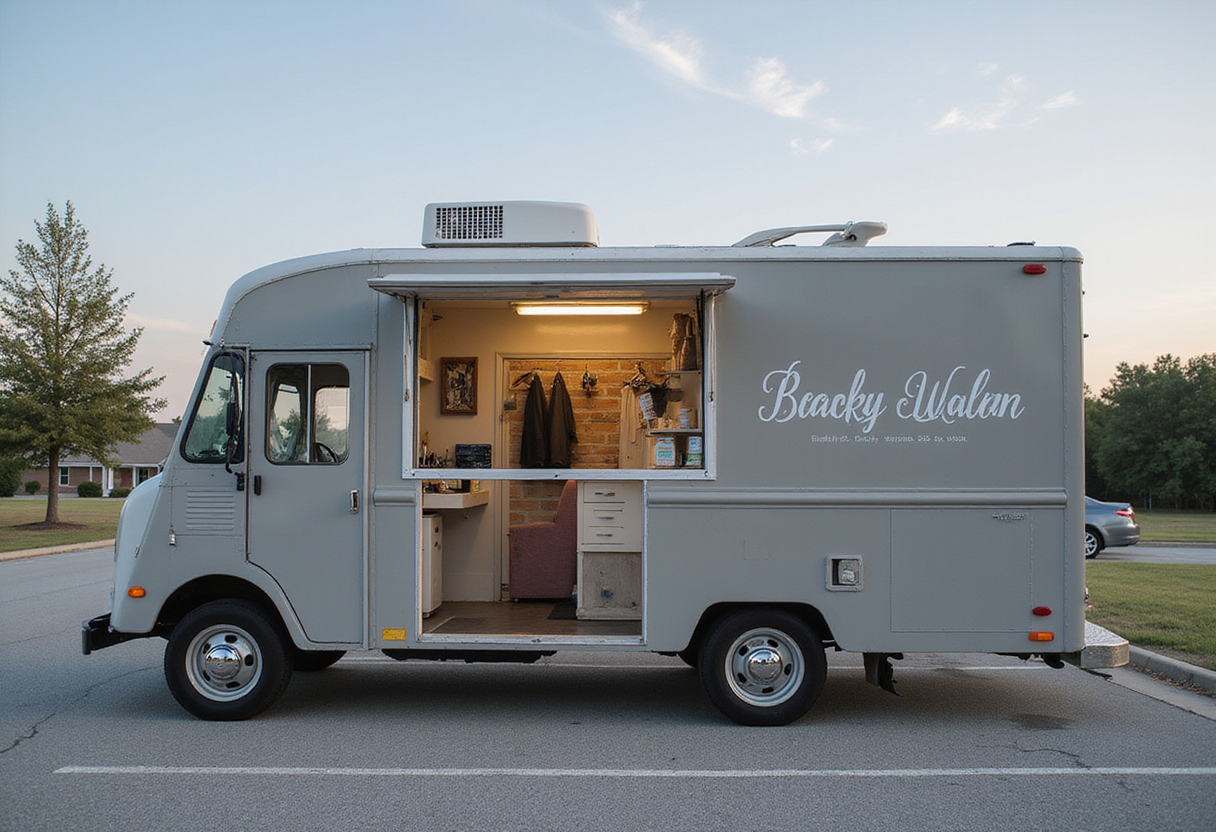
South Carolina regulators have declared a mobile beauty salon illegal, shutting down a business model that its owner built to bring licensed services directly to clients.
The dispute, reported by Greenville Online under the headline "She built a mobile beauty salon. South Carolina says it's illegal," centers on a South Carolina entrepreneur who invested in a salon-on-wheels — only to be told by the state that her operation does not fit within existing cosmetology regulations.
For salon professionals across the state, the case is more than one owner's setback. It tests whether South Carolina's cosmetology statutes, written around fixed brick-and-mortar premises, can accommodate service models that are now common in much of the country.
What does the ruling mean for operators?
The state's position is straightforward: a beauty salon on wheels is not a licensed category under current South Carolina law. That places mobile operators in a compliance gray zone — or worse, squarely outside the law — regardless of the operator's individual qualifications.
For the owner at the center of the case, the stakes are personal and financial. She built the business, fitted out a vehicle for professional beauty services, and now faces a state determination that the model itself is prohibited.
Why mobile salons face licensing friction
Cosmetology licensing regimes in most U.S. states are built on premises-based rules. They specify:
- physical salon locations subject to inspection;
- water, sanitation and equipment standards tied to fixed addresses;
- license categories that assume clients come to the salon, not the reverse.
A mobile unit can satisfy the operator's own licensing requirements — the stylist's cosmetology license — while still failing the premises test. That appears to be the fault line in the South Carolina case.
Is South Carolina an outlier?
Other states have moved to accommodate mobile beauty services, often through special mobile-salon licenses or amended definitions of salon premises. South Carolina's stance, as reported, keeps the state among those where the category simply does not exist in statute.
That creates an uneven national map for anyone planning mobile service menus, franchising mobile concepts, or investing in vehicle fit-outs. What is legal across a state line may be an enforcement action waiting to happen in South Carolina.
What should licensed professionals watch next?
The immediate question is whether the owner challenges the determination or takes her case to the legislature. Mobile-salon bills have surfaced in multiple states in recent years, typically backed by operators arguing that consumer demand — elderly clients, event styling, accessibility needs — justifies modernizing the statutes.
Until South Carolina lawmakers or the state cosmetology board act, mobile beauty operators in the state face a clear compliance signal: the model, however well-equipped and however qualified the operator, remains illegal on current law. Industry observers will be watching for any legislative filing in the next session that would create a mobile-salon license category.
via Google News - Esthetician News (Source)
More from Marcus Bennett
Show full bio
Correspondent covering consumer brands and retail at INCI File.
105 articles
Cross-references · Related articles
- South Carolina Sued by Esthetician Over $15,000 Mobile Beauty RV Ban
- Indiana Beauty Licensing Confusion Leaves Operators Awaiting State Guidance
- Salon Industry Backs Multi-State Cosmetology Licensing Push
- Beauty and Spa Organizations Honored for Esthetics Licensure Compact Work
- Multi-State Compacts Extend to Estheticians, Easing Cross-State Relicensure
End of monograph · 2 min read