BATCH-2540 · filed
Multi-State Compacts Extend to Estheticians, Easing Cross-State Relicensure
American Salon reports that multi-state licensure compacts — already active for cosmetologists — are opening a reciprocity pathway for estheticians, cutting cross-state relicensure friction without harmonizing scope of practice.
By James Calloway · · 2 min read · 497 words
Composition
- American Salon headline reports multi-state license compacts, previously scoped to cosmetology, now reach estheticians
- Compact participation lets a licensed practitioner work in any participating state without a separate state license application
- Compact portability covers licensure, not scope of practice; states still differ on which esthetician services fall under board authority
- CE hours earned in one participating state are expected to transfer more directly under compact rules
- Operational timing depends on each state's adoption date and the published effective date for reciprocity applications
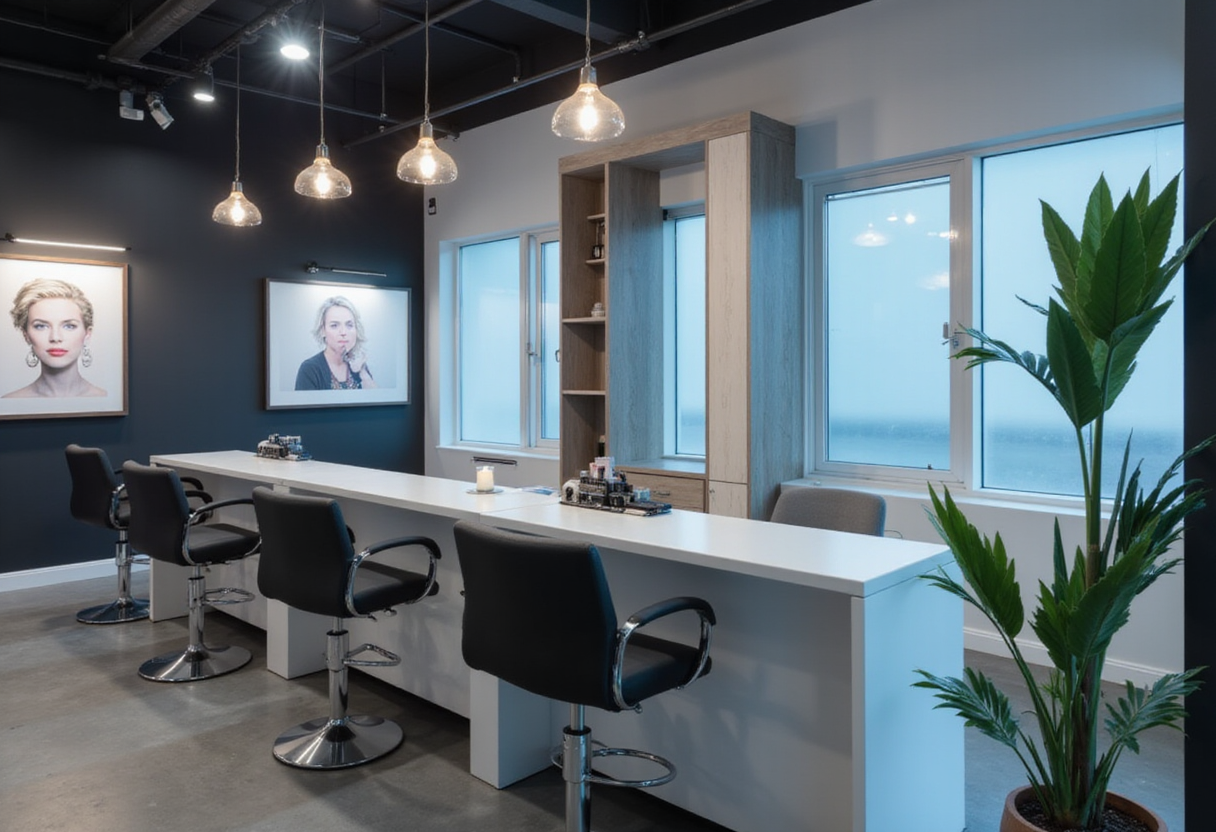
Multi-state compacts that already streamlined cross-state work for cosmetologists are now extending to estheticians, according to American Salon reporting on the licensure development.
The headline of that piece — "A Boost for Multi-State Licenses in Cosmetology—& Now, Esthetics" — signals that the reciprocity framework formalized for cosmetology is opening a second lane for skincare practitioners who relocate, travel for work, or hold multi-state contracts.
What is changing for estheticians
The cosmetology compact allows a licensed practitioner to work in any participating state without separately reapplying for each jurisdiction's license. Estheticians now gain access to the same portability mechanism, contingent on their home state joining the compact's esthetics track.
Why it matters operationally for spas, salons and mobile services
For estheticians, state-by-state license transfer has historically required submitting school transcripts, retaking state-specific examinations, paying separate application fees and waiting weeks for board processing. Compact participation collapses that sequencing into a verification of home-state good standing. For spa groups with locations across state lines, the shift shortens onboarding for relocating hires and reduces continuing-education duplication when practitioners work in multiple participating states.
Training providers and cosmetology schools also gain a cleaner pathway: CE hours earned in one participating state should transfer more directly under compact rules, limiting the duplicate coursework that previously forced practitioners to pad their schedules when moving across borders.
What the compact does not solve
Licensure portability is not scope-of-practice portability. States still define differently which services fall under an esthetician's license. Microneedling, chemical peels at specified concentrations, laser and IPL devices, lash extensions, microblading, advanced exfoliants and certain body treatments each carry varying state-level scope rules — some routed to esthetics boards, others to cosmetology or medical boards. A compact recognizes the license; it does not harmonize the services behind it. Operators onboarding estheticians through the compact still need to verify that each practitioner's home-state training covered the specific modalities the employing state authorizes.
Procurement and treatment-menu planners should expect this distinction to surface in compliance reviews: a compact-verified esthetician is not automatically cleared to perform every service listed on a spa's standard menu.
Who tracks the rollout
State boards of cosmetology and esthetics publish the participant roster for each compact track. School administrators, spa HR teams and mobile esthetician services stand to benefit most from the early filing window when their home state joins the esthetics component — they will need the credential-verification process staffed before practitioners attempt to work in a new state without the prior transitional paperwork.
What to watch next
Two data points will determine when the change becomes operational rather than aspirational: the count of states that formally sign onto the esthetics track of the compact, and the published effective date for reciprocity applications under that track. Until those land, practitioners should continue to use existing state-by-state transfer procedures and verify scope-of-practice rules in each jurisdiction of intended work.
via Google News - Esthetician News (Source)
More from James Calloway
Cross-references · Related articles
- Beauty and Spa Organizations Honored for Esthetics Licensure Compact Work
- Salon Industry Backs Multi-State Cosmetology Licensing Push
- South Dakota Lawmakers Propose Second Esthetician License Tier
- Illinois IDFPR Expands Language Access For Beauty Licensing Exams
- Indiana Beauty Licensing Confusion Leaves Operators Awaiting State Guidance
End of monograph · 2 min read