BATCH-1635 · filed
TPO Ban Reshapes Gel-Nail Formulation Across the EU
TPO (CAS 75980-60-8) has moved into Annex II of the EU Cosmetics Regulation as a prohibited substance, forcing gel-nail manufacturers to rebuild UV/LED formulations and PIFs.
By Marcus Bennett · · 3 min read · 663 words
Composition
- TPO (INCI: Trimethylbenzoyl Diphenylphosphine Oxide, CAS 75980-60-8) is classified as toxic to reproduction and listed in Annex II of the EU Cosmetics Regulation as a prohibited substance.
- TPO has functioned as the default Type I cleavage photoinitiator in UV/LED gel-nail systems for more than a decade.
- Photoinitiator lead times from European and Asian production hubs typically run 8–16 weeks under current substitution demand.
- Finished-product compliance workstreams run in parallel across raw-material substitution, safety assessment rewrites, and labelling and artwork updates.
- The Annex II prohibition also affects Northern Ireland under the Windsor Framework, requiring brand owners shipping across the EU/EEA/NI border to rebuild safety dossiers and product information files.
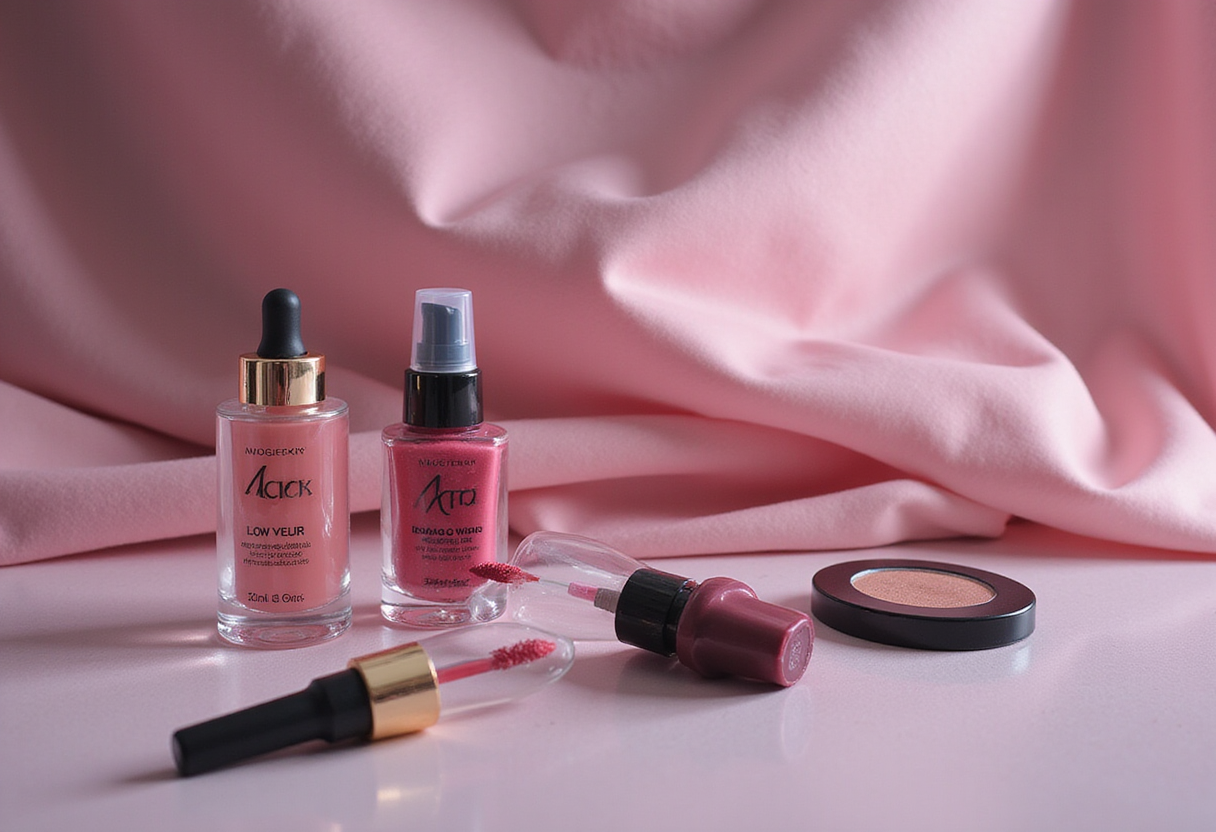
Trimethylbenzoyl Diphenylphosphine Oxide (TPO, CAS 75980-60-8), the Type I photoinitiator that anchored UV/LED gel-polish cure chemistry for more than a decade, has moved into Annex II of the EU Cosmetics Regulation as a prohibited substance, forcing manufacturers to rebuild base-coat, colour-coat and top-coat formulations before placing new stock on EU shelves. Cosmetics Business's guide to the TPO ban lays out what manufacturers, contract labs and brand owners must rework in parallel.
TPO's INCI name — Trimethylbenzoyl Diphenylphosphine Oxide, also referenced as diphenyl(2,4,6-trimethylbenzoyl)phosphine oxide — identifies a cleavage-type photoinitiator prized for low yellowing and through-cure in professional salon gel systems. Its removal from compliant formulations narrows the alternatives list and concentrates demand on a handful of substitute chemistries.
What does the regulatory action cover?
The European Commission classified TPO under the CMR (carcinogenic, mutagenic, toxic to reproduction) framework. Once a substance carries a CMR 1A or 1B harmonised classification under the CLP Regulation, the Cosmetics Regulation transfers it into Annex II as a prohibited substance. From the date the Annex II entry applies, finished cosmetic products containing TPO cannot be placed on the EU market. The same machinery affects Northern Ireland under the Windsor Framework, so any brand shipping across the EU/EEA/NI border must rebuild safety dossiers and product information files to remove the ingredient.
What changes inside a finished-product dossier?
Three workstreams move at the same time:
- Raw-material substitution. Suppliers of alternative photoinitiators — including acylphosphine oxides such as TPO-L (ethyl 2,4,6-trimethylbenzoyl phenylphosphinate, INCI: Ethyl Trimethylbenzoyl Phenylphosphinate) and other bis-acyl phosphine oxides — face demand spikes. Lead times for photoinitiators typically run 8–16 weeks from European and Asian production hubs, so procurement teams are lengthening call-offs now.
- Safety assessment rewrite. Safety assessors must replace toxicological profiles, recalculate margin-of-safety figures against the substituted initiator and document absence of the prohibited substance via updated certificates of analysis. Existing PIFs cannot reference TPO even as a residual below threshold; Annex II entries operate at zero tolerance in finished product.
- Labelling and artwork. Sell-off windows for stock manufactured before the entry-into-force date create parallel SKUs that must be tracked through to expiry. Artwork teams should flag any "TPO" without descriptor on back labels, since INCI rules demand the proper material name.
What does this mean for treatment menus in salons?
Professional nail technicians working with LED/UV systems will see gel-polish lines relaunched under new "TPO-free" claims. Claim substantiation will matter: brands must point to a finished-product composition that excludes every member of the diphenylphosphine oxide class, not just TPO by name, or risk challenge from national authorities and competitor complaints.
Where the procurement and compliance workload falls hardest
Small and mid-sized indie nail brands carry the heaviest burden. Large multinational houses with established regulatory teams have already moved to substitute photoinitiators across European product lines and hold the toxicology bench capacity to execute the swap. Independents often rely on contract labs whose photoinitiator method validation is queued weeks deep. Brand owners with EU manufacturing footprints should expect 6–12 months of paperwork churn before the substitute system has fully migrated through production batches, finished goods and professional distribution.
The next data points to watch
Watch the European Commission's Official Journal for any implementing acts that adjust sell-off grace windows for products already on the market. Track national competent authority enforcement notices — Italy, France and Germany have historically been quickest to publish Annex II enforcement guidance. Monitor the next quarterly updates to suppliers' safety data sheets, which will document any residual carryover from production-line cleaning validation.
Cosmetics Business's coverage walks formulators and compliance leads through the ban's mechanics; the trade press in the months ahead will track how quickly substitute chemistries settle into the professional nail channel and whether the Commission tightens sell-off interpretation before residual stock clears distribution.
via Google News - Cosmetics Regulation (Source)
More from Marcus Bennett
Show full bio
Correspondent covering consumer brands and retail at INCI File.
105 articles
Cross-references · Related articles
- 2025 EU/UK Regulatory Recap: TPO, Microplastics, Siloxanes Reshape Cosmetics
- TPO banned in UK gel nail products from August 15, 2026
- California designates TPhP-containing nail products as Priority Products
- EU Parliament votes on contested hazardous substances cosmetics bill
- EU Parliament votes on hazardous cosmetics substance bill
End of monograph · 3 min read