BATCH-2352 · filed
California designates TPhP-containing nail products as Priority Products
California DTSC lists TPhP-containing nail products as Priority Products, triggering notification and Alternatives Analysis duties for manufacturers.
By James Calloway · · 3 min read · 525 words
Composition
- California has listed nail products containing TPhP as Priority Products under the Safer Consumer Products programme
- Manufacturers must notify DTSC and conduct an Alternatives Analysis for TPhP
- TPhP is a plasticizer widely used as a replacement for restricted DBP in nail polish
- DTSC can require reformulation or substitution depending on the analysis outcome
- The listing applies to the largest US state beauty market and effectively sets a national benchmark
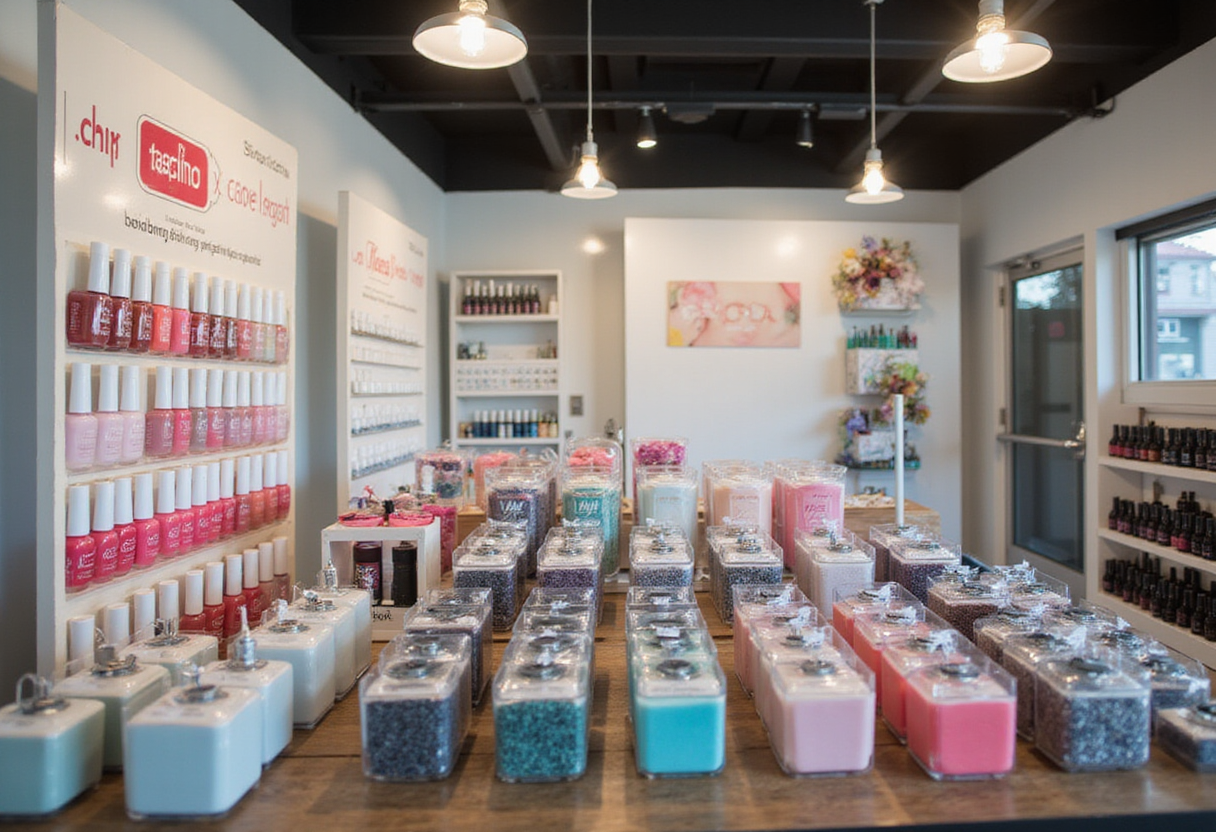
California has formally listed nail products containing triphenyl phosphate (TPhP) as Priority Products under the state's Safer Consumer Products (SCP) programme, moving the ingredient from the watch list into an active regulatory workflow with concrete obligations for manufacturers.
The designation, reported by COSlaw.eu, means the Department of Toxic Substances Control (DTSC) has concluded that TPhP in nail products meets the criteria for priority listing: a chemical of concern, a plausible exposure pathway through nail product use, and a potential for adverse impacts. For the cosmetics trade, this is one of the clearest signals yet that state-level chemical policy — not the federal FDA framework — is setting the compliance pace for the US nail segment.
What does the listing actually change?
Priority Product status does not ban TPhP outright. It triggers a chain of duties:
- Manufacturers (and, in practice, importers and retailers above threshold exemptions) must notify DTSC that their product is covered.
- They must then run an Alternatives Analysis, evaluating whether a safer substitute for TPhP is commercially and technically feasible.
- Depending on the outcome, DTSC can require reformulation, substitution, or additional warning obligations.
This is the mechanism that has already reshaped other categories in California, and it tends to produce reformulation pressure well before any formal regulatory endpoint, because brands prefer to remove the listed chemical rather than carry the analysis burden.
Why TPhP matters for formulators
Triphenyl phosphate functions as a plasticizer and flame retardant; in nail polish it has historically served as a dibutyl phthalate (DBP) replacement, itself restricted under EU cosmetics Regulation (EC) No 1223/2009. Formulators now face an uncomfortable pattern: substitute away from one restricted plasticizer and the replacement comes under scrutiny a decade later.
The listing has direct consequences across the value chain:
- Product development: R&D teams selling into California should treat TPhP as a sunset ingredient and begin qualifying alternatives now, even though the state has not set a ban date.
- Procurement: Supply contracts for nail polish bases and raw material blends need TPhP declarations; finished-goods buyers should audit SKU lists against the new Priority Product scope.
- Salon channel: Professional nail brands distributed in California — the largest US state beauty market — are exposed first, which effectively sets a de facto national standard since few brands run state-specific formulas.
- Regulatory workload: Notification and Alternatives Analysis obligations add documentation cost for any company that keeps TPhP in its portfolio.
The EU angle
For European readers, the COSlaw.eu report highlights a widening divergence. TPhP is not currently subject to the same priority-listing mechanics in the EU, but the California action will feed into international risk assessments and could accelerate scrutiny under REACH and by the Scientific Committee on Consumer Safety (SCCS). Multinationals will likely harmonize globally rather than maintain a TPhP variant for one market.
What to watch next
The next data points are the DTSC notification deadline for affected manufacturers, the scope of any Alternatives Analysis exemptions, and the first published alternatives analyses — the stage at which DTSC typically signals whether regulatory responses such as reformulation requirements will follow. Brands formulating for the US nail market should track each of those filings.
via Google News - Cosmetics Regulation (Source)
More from James Calloway
Cross-references · Related articles
- TPO banned in UK gel nail products from August 15, 2026
- 2025 EU/UK Regulatory Recap: TPO, Microplastics, Siloxanes Reshape Cosmetics
- TPO Ban Reshapes Gel-Nail Formulation Across the EU
- FDA Issues Report on PFAS in Cosmetics: Key Findings and Regulatory Implications
- H.R. 9594 Filed: Dingell's 'No PFAS in Cosmetics Act' Heads to Congress
End of monograph · 3 min read