BATCH-2005 · filed
H.R. 9594 Filed: Dingell's 'No PFAS in Cosmetics Act' Heads to Congress
Rep. Debbie Dingell introduced H.R. 9594, the No PFAS in Cosmetics Act, in Congress, placing a federal cosmetic PFAS ban on the legislative agenda and reshaping reformulation timelines.
By James Calloway · · 3 min read · 596 words
Composition
- Rep. Debbie Dingell introduced H.R. 9594, the No PFAS in Cosmetics Act, in Congress
- The bill's short title matches the formulation now used in multiple state-level PFAS-cosmetics bans
- Bill text has not yet posted to Congress.gov; operative definition, thresholds, enforcement and sell-through provisions remain undisclosed
- Federal preemption would replace the state patchwork; absence of preemption would entrench the current mosaic
- Brands with 2026 launch windows should treat any federal compliance date as binding for reformulation planning
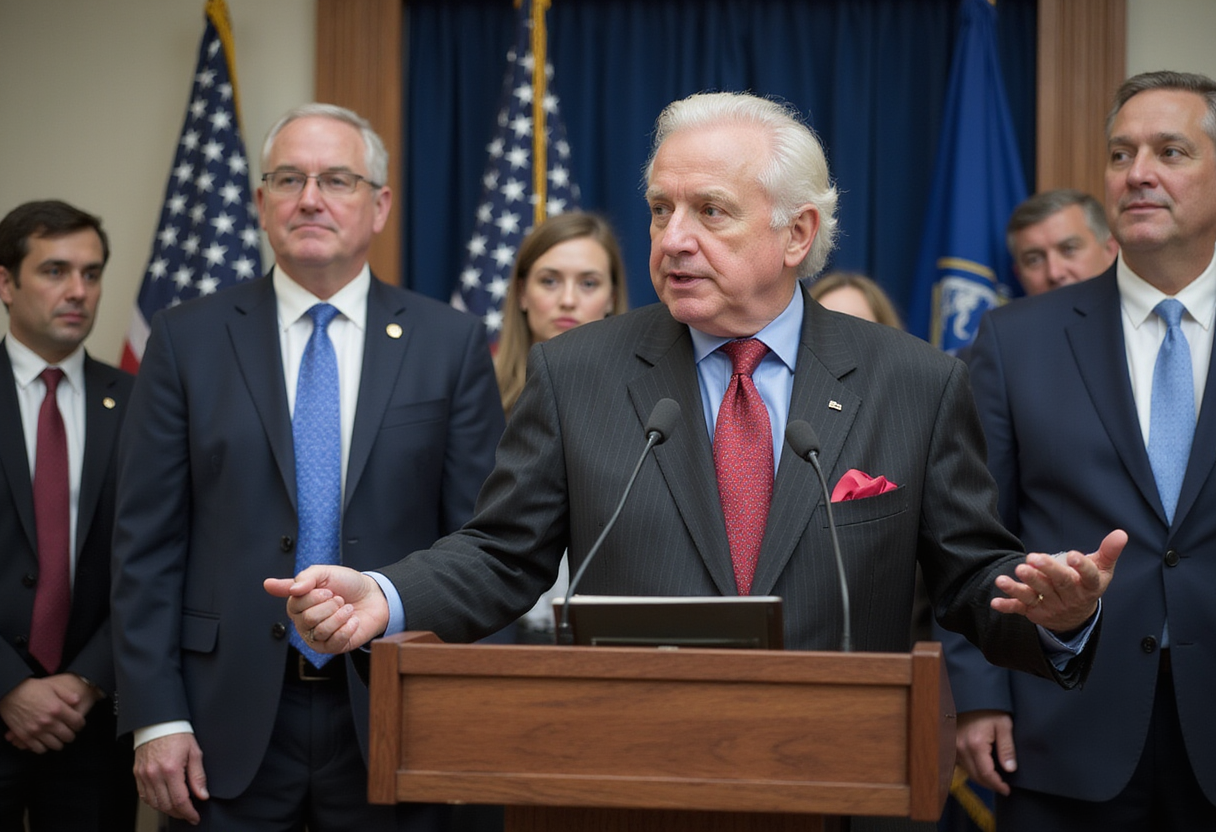
Representative Debbie Dingell introduced H.R. 9594, the No PFAS in Cosmetics Act, in Congress, placing a federal prohibition on per- and polyfluoroalkyl substances in cosmetic products on the active legislative agenda.
The bill's short title matches the formulation now standard in state-level PFAS-cosmetics laws passed across multiple U.S. states since 2023.
What is known about H.R. 9594 so far?
Three data points are confirmed from the introduction record: the bill number (H.R. 9594), the sponsor (Dingell) and the short title. Congress.gov has not yet received the bill text, so the operative definition, threshold structure, federal enforcement and sell-through provisions are not yet public.
State analogs typically follow one of two templates. The first combines a "no intentionally added PFAS" prohibition with a low-concentration exemption for unavoidable trace contamination. The second is a sweeping presence ban with no exemption. Both apply to products sold or distributed within the regulating jurisdiction and authorize civil penalties per violation.
Two provisions in any federal bill would reshape compliance most heavily: the choice of enforcement body (FDA, state attorneys general or both) and the presence or absence of a preemption clause. Preemption would replace the state patchwork with a single federal rule; the absence of preemption would entrench the current mosaic.
What does this change for formulators?
PFAS enters cosmetic formulas chiefly through three input streams: fluoropolymer-based film formers and texture agents (PTFE and methicone-type polymers), perfluorinated emollients, and oil- or water-repellent surface treatments found in pressed powders, sunscreens, mascaras and long-wear lip products.
Large color cosmetics houses have run PFAS substitution programs since the earliest state bans. Mid-tier and indie brands remain mid-reformulation across several categories, particularly water-resistant eye and lip SKUs and certain sunscreen formats.
A federal bill does not move existing state-law deadlines, but it does shift the planning horizon. Raw material qualification, stability work and sensory validation typically run several quarters. Brands with 2026 launch windows should treat any federal compliance date as binding regardless of the expected enactment speed.
How does this affect retail and procurement?
Procurement teams should immediately map the active raw material library against supplier PFAS disclosures and any technical data sheets referencing fluorinated ingredients. Contract manufacturers will need to update vendor questionnaires and certificates of analysis to capture PFAS status per shipment.
Retail buyers have already begun asking vendors for PFAS-free attestations through vendor compliance questionnaires. A federal statute would convert those voluntary asks into a statutory requirement, with non-compliant SKUs exposed to seizure, recall or misbranding enforcement.
Independent spa operators and back-bar buyers serving treatment clients are auditing product lines for the same ingredient classes, especially leave-on products marketed as water- or transfer-resistant.
What should compliance teams do now?
- Audit the active raw material library and flag any fluoropolymer, fluorinated emollient or fluorinated surface treatment
- Confirm that contract testing partners offer validated panels for total fluorine or targeted PFAS analytes
- Begin reformulation planning for any SKU where PFAS substitution appears necessary
- Track committee referral and co-sponsor recruitment once the bill text posts
What is the next data point to watch?
Publication of H.R. 9594's full text on Congress.gov, expected within days of introduction, will reveal the operative PFAS definition, the enforcement authority, any preemption clause and the proposed effective date. Committee referral, most likely House Energy and Commerce, will set the near-term calendar.
Until that text posts, compliance teams should treat the existing state-law architecture as the base case for reformulation planning.
via Google News - Cosmetics Regulation (Source)
More from James Calloway
Cross-references · Related articles
- FDA Issues Report on PFAS in Cosmetics: Key Findings and Regulatory Implications
- PFAS in Cosmetics: The Compliance Question Formulators Can No Longer Avoid
- US states push against toxic cosmetic chemicals as federal laws fall short
- FDA's PFAS Hedge Leaves Cosmetics Trade Without a Verdict
- Illinois law removes certain chemicals from cosmetics
End of monograph · 3 min read