BATCH-8014 · filed
BASF pairs sustainable extraction with skin regeneration research
BASF is exploring sustainable natural extraction and skin regeneration — a pairing that touches spec sheets, claims substantiation and INCI naming for formulators.
By Amara Osei · · 3 min read · 575 words
Composition
- BASF is exploring sustainable natural extraction alongside skin regeneration actives.
- Greener extraction changes residual solvent, allergen and batch-consistency specs before any claim is made.
- Watch for INCI designations, CosIng entries, dossier filings and technical disclosures as signals of commercialization.
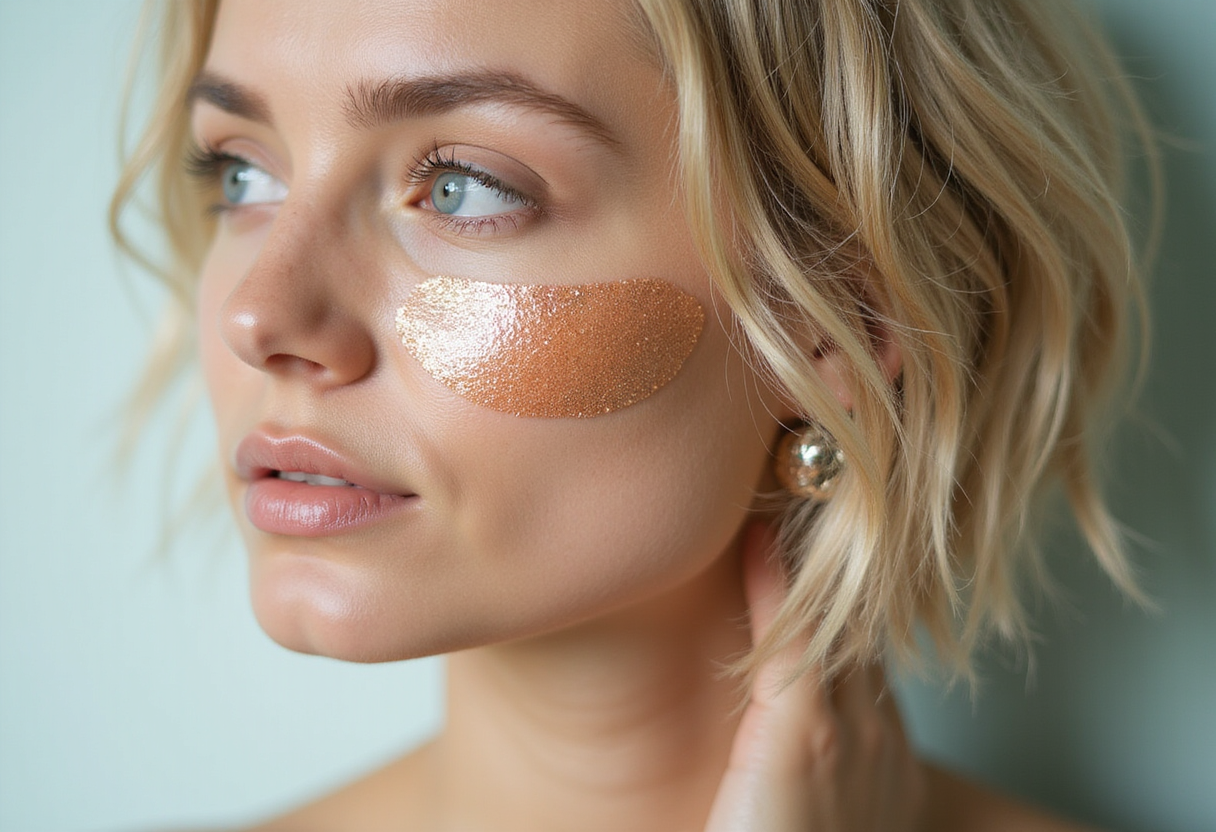
BASF is exploring sustainable natural extraction and skin regeneration. One sentence, two of the hardest briefs in modern cosmetic development: process botanicals with a lighter footprint, and deliver actives that support the skin's own renewal machinery.
For a raw material supplier of BASF's scale, neither brief is optional. Brands now score suppliers on environmental credentials and performance data in the same audit, and a program pairing the two signals where the chemical major sees demand heading.
What greener extraction changes on the bench
Extraction defines a natural ingredient. Solvent choice, temperature, and energy input determine what arrives in the drum: active load, color, odor, residual solvent levels, and batch-to-batch consistency. A shift toward more sustainable extraction touches the spec sheet before it touches any claim.
Formulators know the downstream effects. A greener process can change the impurity profile of a familiar botanical, which means re-checking residual solvents, allergens, and microbiological parameters against regional limits. EU allergen labeling, pesticide and heavy metal restrictions, and REACH obligations for novel substances apply to naturals as much as to synthetics. Any new botanical extract also needs an INCI name and a CosIng listing before it can appear on a compliant EU label.
Procurement feels the shift earlier. Sustainable extraction demands documentation: plant origin, cultivation or wildcrafting practices, processing conditions, traceability back to harvest. Buyers qualifying BASF materials against corporate sustainability scorecards want that paperwork bundled with the technical data package, not chased across separate channels.
Skin regeneration raises the claims bar
The second workstream targets regeneration. Renewal claims — barrier repair, support of the skin's natural renewal process, post-procedure recovery — sit among the most scrutinized in the industry. Under the EU's common criteria for cosmetic claims, every assertion must rest on adequate evidence, and regeneration language invites regulator and competitor attention alike.
That reality shapes how suppliers bring such actives to market. Performance data must survive claim substantiation review, and study design must match the claim. A supplier exploring regeneration actives builds that evidence base years before formulators see the finished ingredient.
Professional channels add another layer. Estheticians and clinic operators build protocols around ingredients that support recovery and renewal, so a credible new active from a major supplier tends to move quickly from raw material list to treatment menu.
Why the pairing matters
The combination is the story. Naturals carry a built-in sustainability narrative, but extraction has long been the weak point: solvent-intensive, energy-hungry, variable. A supplier that cleans up the process while pushing the biology forward answers both objections at once.
For buyers, dual-qualified materials cut audit load: one supplier, one sustainability dossier, one performance file. For formulators, the signal is that the next generation of botanical actives will arrive with greener process credentials already attached — a growing requirement in retailer and brand scorecards across the industry.
What to watch next
The specifics remain open, and they are the data points that matter. Watch for INCI designations and CosIng entries marking which extracts move from exploration to commercialization. Watch for technical disclosures — study designs, results, process descriptions — that would define the regeneration claims BASF could support. Watch the timing of dossier filings and industry presentations, which typically mark the line between exploratory research and a launchable ingredient. Until those arrive, the direction is clear: BASF is putting R&D weight behind greener processing and skin renewal, and formulators and buyers alike should track how it matures.
via Google News - Cosmetic Ingredient (Source)
More from Amara Osei
Cross-references · Related articles
- Mass Balance Under Scrutiny: BASF, RSPO Defend Verified Sourcing
- Mane Kancor Wins Sustainability Recognition at Spice Conference 2026
- Åbo Akademi's V-FOREST project eyes damaged forest biomass for cosmetics
- Reformulation Pressure: Performance, Sensoriality and Sustainability Collide
- C16 Biosciences builds palm-free beauty toolkit with biotech trio
End of monograph · 3 min read