BATCH-8635 · filed
Prestige Beauty Grows 7% in North America as Luxury Sector Stalls
Prestige beauty sales grew 7% in North America in H1 2026 as consumers chose lipsticks and niche fragrances over unaffordable handbags and jewelry.
By Marcus Bennett · · 2 min read · 470 words
Composition
- Prestige beauty sales rose 7% in North America in the first half of 2026.
- Growth persisted despite geopolitical uncertainty and inflationary pressures.
- Consumers favor accessible prestige purchases (lipsticks, creams, niche fragrances) over fashion, leather goods and jewelry.
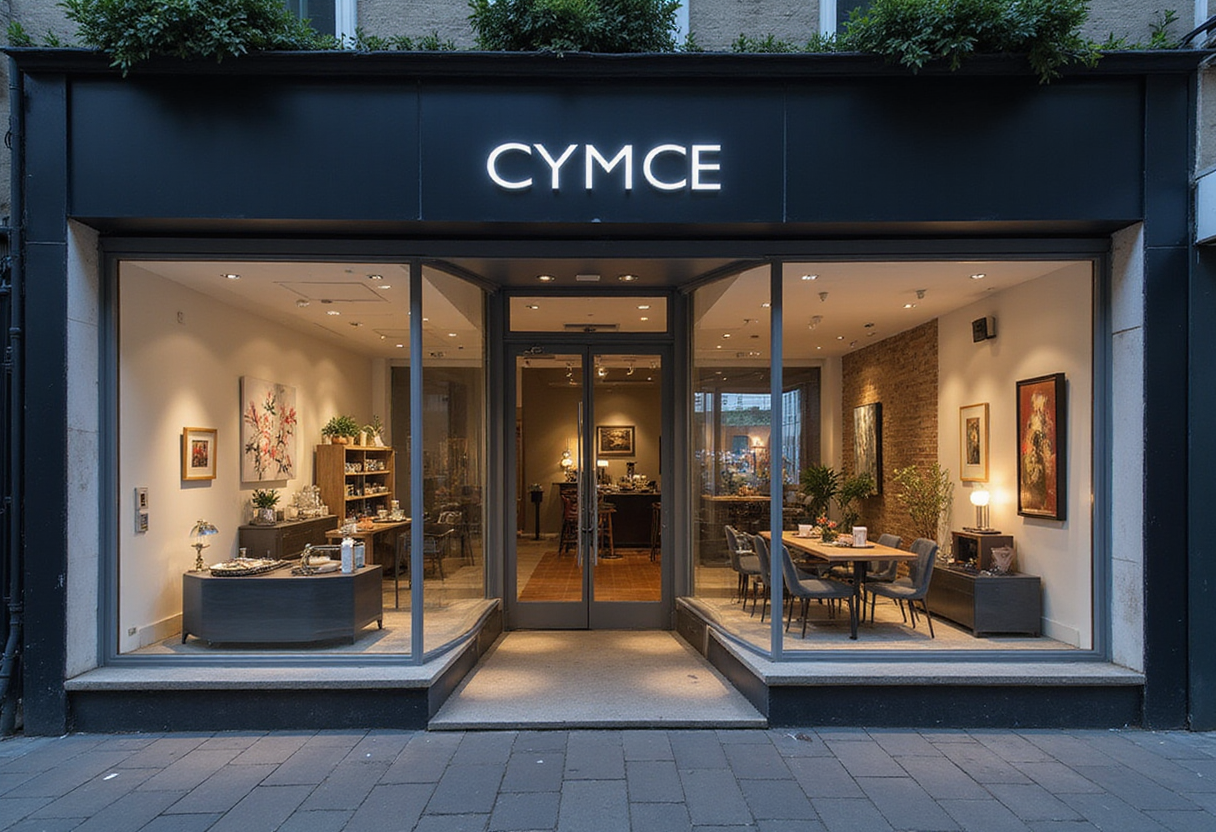
Prestige beauty sales rose 7% in North America in the first half of 2026, defying an uncertain geopolitical environment and persistent inflation that continues to weigh on the wider luxury sector.
The contrast with hard luxury is stark. While fashion, leather goods and jewelry brands search for momentum, consumers are redirecting their spending toward a Louis Vuitton lipstick, a Lancôme cream or a niche fragrance — purchases that carry the prestige of a luxury name at a fraction of the price of an unaffordable handbag.
This is the classic "lipstick effect" playing out with unusual force. A prestige cosmetic delivers brand association and perceived quality at a price point that remains accessible when household budgets are squeezed. For formulators and brand managers, that dynamic matters: it sustains demand for prestige-positioned innovation even when the macro picture argues for caution.
What the numbers signal for the trade
A 7% regional growth rate in a first half marked by inflationary pressure tells procurement and product teams that the prestige segment is not merely resilient but expanding. Consumers who might once have saved for a leather bag are now buying into luxury houses through beauty counters — a shift that favors the beauty divisions of groups such as LVMH and L'Oréal's prestige portfolio.
For suppliers of active ingredients, packaging and fragrance concentrates, growth at this pace supports continued investment in prestige-grade inputs: high-performance actives, refill systems and niche fragrance compositions. Retail buyers planning assortments for the second half of 2026 can read the data as confirmation that the prestige beauty shelf keeps earning its space, even as adjacent luxury categories stagnate.
The trend also carries weight for treatment menus. Spa and salon operators positioning premium facial protocols with prestige-brand partnerships benefit when clients substitute a €200 cream for a €2,000 accessory — the willingness to spend on accessible luxury remains intact even as big-ticket purchases are deferred.
Why accessibility wins
The growth differential between beauty and other luxury categories comes down to entry price. A lipstick or a niche scent is an impulse-adjacent purchase; a handbag is a considered, financed one. In inflationary conditions, that gap decides where discretionary income flows.
Niche fragrance deserves particular attention. It sits at the intersection of accessible pricing and exclusivity, and it continues to pull consumers who want differentiation without a four-figure outlay. Brands building fragrance lines under luxury fashion houses are effectively capturing demand that the parent category cannot convert.
What to watch next
The first-half figures for other regions, and full-year 2026 results from the major prestige players, will show whether the 7% North American growth holds as inflation persists. Watch the next earnings reports from LVMH's beauty divisions and L'Oréal Luxe for confirmation that accessible luxury keeps outperforming the handbags it sits beside.
via fragranceinnovation.com (Original)
More from Marcus Bennett
Show full bio
Correspondent covering consumer brands and retail at INCI File.
105 articles
Cross-references · Related articles
- 63% of consumers doubt premium beauty works better: McKinsey
- The Business of Fashion Asks: Where Is the Next Influencer Beauty Blockbuster?
- Estée Lauder, Schneider Electric Open Up on Packaging Roadmaps
- Lipstick London debuts 99-shade, 13-category lip range at £14–£21
- Buyers From Target, CVS And Space NK Name Standouts At BITE NYC
End of monograph · 2 min read