Filed
Dermatologists Flag Exosome Hype and GLP-1 Facial Volume Loss
At ASDS San Diego, dermatologists Peredo, Day and Cohen weighed unapproved exosomes, menopause-driven protocol changes, GLP-1 facial volume loss, Sculptra and gray-hair reversal research.
By Marcus Bennett · · 5 min read · 949 words
Composition
- No exosome product is FDA-approved and aesthetic safety and efficacy remain unestablished, per the ASDS panel.
- Dr. Doris Day cited Restylane patients 10-15 years post-treatment with no visible filler and no top-up injections.
- UltraClear laser coring recovery may take five to six days in some patients, Dr. Joel Cohen said.
- Early research is restoring pigment in hair gray for up to 10 years, Dr. Day reported.
- FDA labeling changes have prompted renewed interest in hormone therapy, though it is not a universal skin treatment.
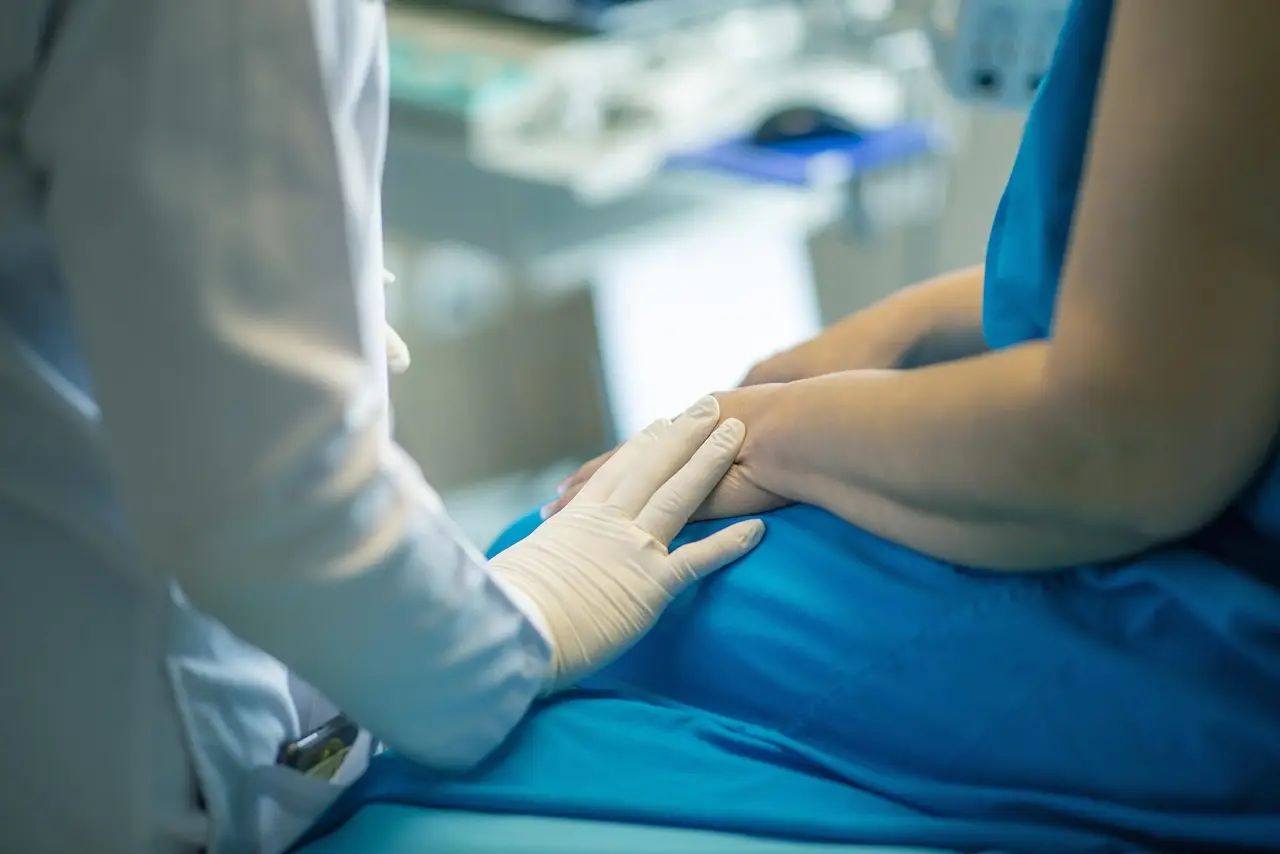
No exosome product on the market today carries FDA approval, and no aesthetic application has an established safety or efficacy record. That single regulatory fact anchored one of the more candid sessions at the American Society for Dermatologic Surgery (ASDS) meeting in San Diego, where three board-certified dermatologists — Marina Peredo, MD, and Doris Day, MD, of New York, and Joel Cohen, MD, of Denver — dissected the beauty conversations they expect to dominate 2026: regenerative aesthetics, menopause and GLP-1-driven facial change.
What did the panel say about regenerative treatments?
Dr. Day drew a hard line between marketing and evidence. "I think the regenerative category is a lot of marketing and a lot of hype and not as much science as we really need," she told the audience.
The remark matters for anyone building treatment menus around PRP, exosomes or collagen stimulation. Dr. Peredo does use PRP and exosome-based approaches in her own practice, including for hair concerns tied to significant weight loss. The distinction she and the panel underscored is that none of these exosome products are FDA-approved, and their safety and effectiveness for aesthetic use remain unproven. Practitioners who offer them carry an untested-category risk that clients increasingly know how to question.
Injectables raised a separate, longer-horizon question. Dr. Day worked on the early Restylane trials and reports seeing patients 10 or 15 years later who no longer had visible filler — yet had not needed additional injections either. That is an observation, not proof that filler regenerates skin. It does explain why researchers now study the long-term biological effects of aesthetic treatments rather than only their immediate correction. For buyers of clinic services, the takeaway is simple: longevity data is thin, and honest clinicians will say so.
Why is menopause reshaping treatment protocols?
"My face just fell apart." Dr. Day quotes patients who cannot explain why their skin suddenly behaves differently. Others arrive with acne they thought they had outgrown, or hair that no longer feels full.
Her intake reflects the shift. Before she discusses skin care, she asks about sleep, mood, joint pain and energy, because those answers reveal what is happening hormonally during perimenopause and menopause. "Just because everyone goes through it doesn't mean it's normal," she says. The point is not that menopause is abnormal; it is that women need not dismiss symptoms merely because they are common.
For formulators and clinicians alike, the panel flagged a practical consequence: routines perfected in a patient's 30s may stop delivering results. Treatments that worked beautifully a decade ago can fall short as hormone profiles change. Dr. Day prioritizes sleep and sunscreen; Dr. Peredo prefers a layered, multi-modal approach. Hormone therapy is also getting a second look following recent FDA labeling changes, though it is not a skin treatment for everyone — another argument, in Dr. Peredo's view, for treating the whole patient rather than one wrinkle at a time.
How are GLP-1s changing the aesthetic consult?
Weight loss can improve health while deflating the face. As facial fat decreases, cheeks flatten, skin loosens, and features that once read soft become sharply defined. Dr. Peredo prefers to raise those possibilities before a patient loses significant weight, not after.
"If we can, like, tighten and improve before they start losing weight, we're kind of ahead of the game," she said. For some patients that means early skin-tightening treatments; for others, waiting until weight stabilizes before deciding anything. Not everyone on a GLP-1 needs aesthetic intervention, and lost facial volume does not automatically require fixing.
What about muscle and facial volume?
"Muscle is the currency of youth." That is Dr. Day's reminder for patients losing weight on GLP-1 medications. The scale does not distinguish fat from muscle, so she counsels patients on protein, exercise and avoiding unnecessarily rapid weight loss before they start.
Dr. Cohen treats muscle as part of the aesthetic conversation too. Devices such as Emsculpt Neo can help selected patients with muscle conditioning and body contouring, though he is clear they are no substitute for resistance training. On the face, when weight loss hollows the cheeks, Dr. Day sometimes turns to collagen stimulators such as Sculptra for gradual volume restoration. Her stated goal is reflating the face without making someone look different — a deliberately less-is-more protocol.
Which emerging technologies drew attention?
The periorbital area came first. Dr. Cohen sees patients in their late 30s and 40s troubled by crepiness and fine lines under the eyes, where skin is among the thinnest on the face, and he considers laser resurfacing before those changes deepen. Apparent tiredness, he noted, is often volume loss rather than wrinkles — a distinction that has grown sharper in the GLP-1 era.
Dr. Cohen also flagged UltraClear laser coring, a newer skin-tightening technology that addresses texture and firmness with recovery he says may take as little as five or six days in some patients, depending on treatment intensity.
The most striking claim came from gray-hair research Dr. Day shared: early work restoring pigment to hair that had been gray for as long as a decade. "We're turning gray hair black and dark again," she said. "It's pretty remarkable how much even hair that's been gray for 10 years is now reverting to its normal color." It is early research, not a bookable treatment — but a reversal pathway, rather than cosmetic coverage, is the data point to watch.
The panel's through-line for practitioners: diagnose why skin is changing before selecting the procedure. Watch for exosome regulatory movement and pigment-restoration studies as the next concrete filings.
via newbeauty.com (Source)
More from Marcus Bennett
Show full bio
Correspondent covering companies, deals and strategy in professional skincare and cosmetics industry at INCI File.
174 articles
Cross-references · Related articles
- Estheticians Rethink Treatment Menus as Body and Intimate Care Demand Grows
- Integrative Medicine Moves Into the Aesthetic Dermatology Toolkit
- Symrise adds exosome ingredient to regenerative skin portfolio
- IMCD to showcase skincare–aesthetics crossover at in-cosmetics Global 2026
- Body Care Launches Jump 62% as Face-Grade Actives Move Below the Chin
End of monograph · 5 min read