BATCH-4046 · filed
Body Care Launches Jump 62% as Face-Grade Actives Move Below the Chin
Body care launches rose 62% in 2026 as European prestige sales hit €523m. Face-grade actives, serums and vitamin C are redrawing the category's formulation brief for 2027.
By James Calloway · · 6 min read · 1,103 words
Composition
- Body care launches increased 62% in 2026 versus 2025, according to Circana.
- European prestige body care grew 11% to €523m for the year ending September 2026; US H1 2026 sales rose 16%.
- Body serum sales rose 16% in Europe and 27% in the UK this year, per Circana.
- Spate US data: 'body firming cream' searches up 45% year-on-year for the year ended August 2026.
- Dewsy's Bounce Back Body Cream contains 0.1% retinol, copper peptides and five ceramides.
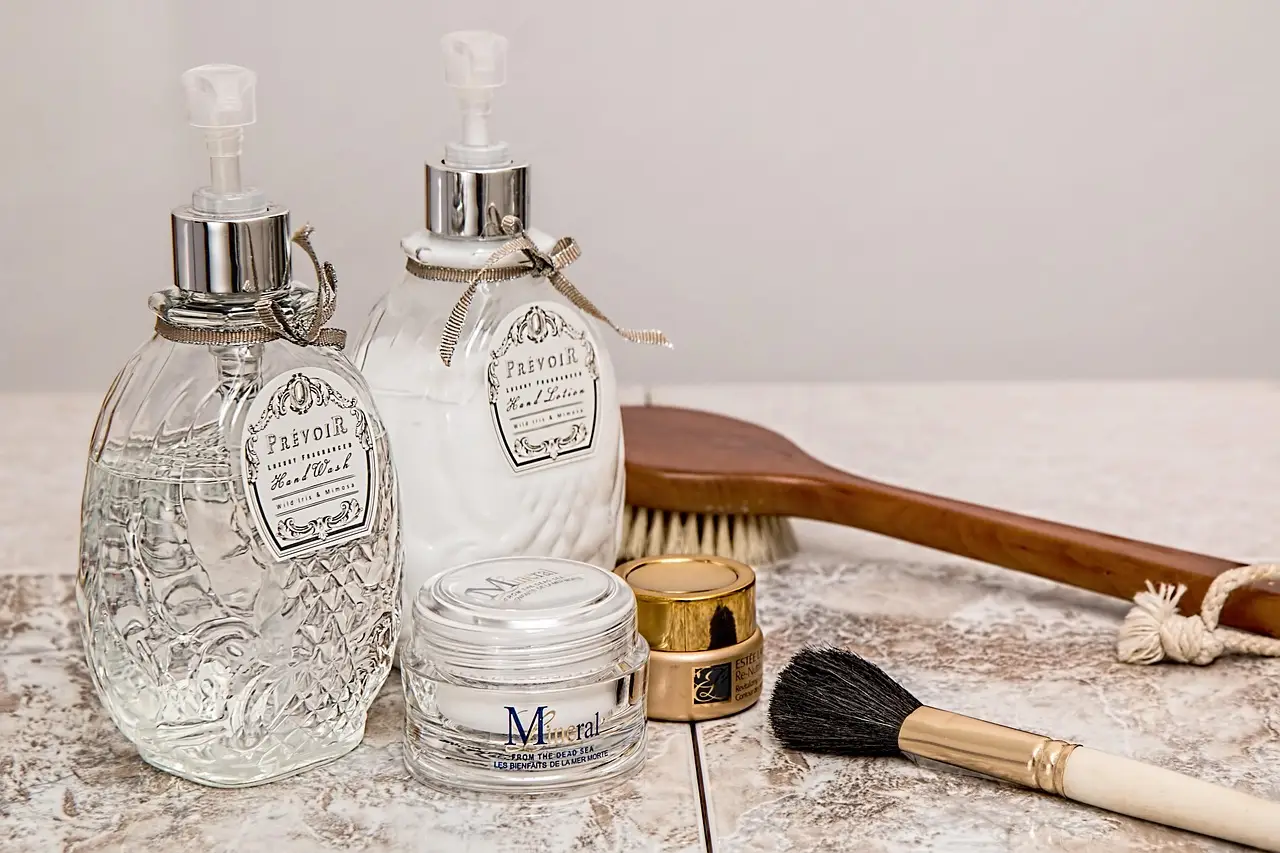
Body care product launches rose 62% in 2026 against the prior year, according to Circana, while European prestige body care grew 11% in value to €523m for the year ending September 2026, on an 8% rise in units. In the US, first-half 2026 sales climbed 16%. The numbers frame a category that no longer functions as a functional afterthought — it now runs on the ingredient vocabulary, efficacy expectations and sensorial standards of facial skin care.
What is driving the shift?
Grace Vernon, Director of International Retail Partnerships at Boots Ignite and Trends, describes the mechanism plainly: "For years, facial skin care has dominated the beauty conversation, with consumers becoming increasingly knowledgeable about ingredients, investing in their routines and prioritising skin health."
"What we're now seeing is that same level of interest extending beyond the face, helping to fuel a real boom in body care."
Consumers now demand familiar actives — acids, peptides and barrier-supporting ingredients — in their body routines, Vernon notes. At the same time, innovative textures, formats and considered packaging are moving body care from functional necessity toward an enjoyable, sensorial experience.
Mathilde Lion, Industry Analyst and Executive Director of Beauty in Europe at Circana, frames the spending shift: "Historically, consumers tended to reserve prestige spending for facial skin care and fragrance, while body care was a more functional purchase."
"But today we are seeing body care becoming an extension of their beauty and wellness routines, so they are looking for products that combine efficacy, sensorial pleasure and self care."
For formulators and buyers, the takeaway is direct: the brief for body SKUs now mirrors facial development briefs.
Which brands entered in 2026?
New entries and launches accelerated across price tiers:
- Kayali, the fragrance brand, entered body care building on its scent-layering ritual with the Yum collection.
- NYX Professional Makeup crossed from colour cosmetics into body care for the first time in its 27-year history with the glow-enhancing Fat Oil Body Collection.
- e.l.f. Cosmetics launched its own-brand body collection, e.l.f. POP, inspired by holiday-destination scents and sites.
- US start-up Dewsy launched to close the gap between facial and body care.
Dewsy CEO and co-founder Kathy Widmer, who previously headed Johnson & Johnson's Americas division, said: "After years at the forefront of skin care innovation, I saw a gap that needed to be addressed: while facial care had advanced dramatically, the rest of our skin had been left behind."
Dewsy positions itself on "face-grade actives, clinically tested formulas and advanced delivery, all at masstige prices, in a category built on basic moisture and fragrance." Its latest launch, Bounce Back Body Cream, delivers 0.1% retinol, copper peptides and five ceramides to stimulate collagen production and cell renewal for visibly renewed, hydrated skin.
"The biggest change is that body care is now being held to the same standard as facial skin care," Widmer said. "Growth is coming from brands that deliver face-grade benefits that drugstore brands, focused on basic moisture and fragrance, can't."
How fast are body serums growing?
The treatment-format data confirms the claim. Body serum sales rose 16% in Europe this year and 27% in the UK, according to Circana. Serums are also migrating into other formats, from lotions to body wash.
Two Unilever examples anchor the trend. Vaseline's Gluta Hya Smoothing Serum Burst Lotion, formulated with a triple-acid complex, 4D hyaluronic acid and niacinamide, is clinically proven to refine skin texture in seven days and improve radiance in 14 days, with a serum-to-water texture. Dove's Body + Mind Serum Body Wash range brings a serum-infused formulation and skin care-inspired texture into cleansing, plus mood-boosting fragrances.
Matt Maxwell, Business Unit Director, Health and Beauty, at Worldpanel by Numerator, quantifies the UK response: "This range has now made £2 million worth of sales since launch, and is ranking number ten in the total health and beauty NPDs for this year already."
What are the five trends for 2027?
Cosmetics Business identifies five directions for the year ahead.
1. Body contouring and the GLP-1 era. Spate US data for the year ended August 2026 shows 'body firming cream' searches up 45% year-on-year and 'firming body lotion' up 31%, with 'body contouring' and 'cellulite' also rising. The trend connects firming demand to growing GLP-1 use and concerns around skin quality after rapid weight loss.
2. The skinification of nail care. The nail category is contracting: Spate reports a 3.9% decline in average monthly search popularity year-on-year globally, and a 2.2% fall in interest in nail services and salon treatments. Naked nails and 'your nails but better' looks read less as a wealth indicator than a health indicator, pushing brands toward skin care ingredients and new formats for nail health.
3. Glass skin body glow. Glow has replaced shimmer as the category's biggest story. "The body glow trend is increasingly about achieving healthy-looking, hydrated skin from head to toe, rather than simply adding shimmer," Vernon said. "Ultimately, it's about making that coveted all-over glow more achievable through products that are both effective and enjoyable to use."
4. Body milks. Lightweight, fluid milk-inspired formats — already visible in milky toners, sunscreen milks and fragrance — are attracting renewed attention as brands explore the intersection of efficacy and experience.
5. Vitamin C body care. Nilofer Vahora, Chief Marketing Officer at Amika, explains the logic: "Body care is moving beyond basic cleansing and moisturisation into a more targeted, treatment-led category. Consumers increasingly expect the ingredient expertise, measurable efficacy and sensorial appeal familiar from facial skin care to extend to the body."
"Vitamin C is central to this shift: a recognisable antioxidant ingredient associated with brighter, more even-looking skin."
What decides the winners?
Barry Bruno, CCO and co-founder of Dewsy, argues the routine itself is the prize: "Body care is going to become a real routine instead of an afterthought. That means layered steps like serum and then lotion, products for specific concerns, and actives at levels that actually work."
"Discovery is no longer controlled by a handful of big brands, so consumers can find what works and leave what doesn't. The winners will be the brands that solve real problems, prove it on the skin and earn a place in consumers' everyday routines."
The full trend report will be released in detail throughout November to Cosmetics Business subscribers — the next data point to watch is whether body serum and contouring search growth holds into the first-quarter 2027 launch calendar.
via hpcimedia.com (Original)
More from James Calloway
Show full bio
Senior reporter covering money, funding and market shifts around professional skincare and cosmetics industry at INCI File.
136 articles
Cross-references · Related articles
- IMCD to showcase skincare–aesthetics crossover at in-cosmetics Global 2026
- Skin Rocks Reports Rapid Growth, Launches 'Make Skincare Make Sense' Campaign
- Beauty M&A holds at 31 deals in 2026 while consumer M&A falls 12%
- Cosmetics & Toiletries Maps K-Beauty's Dual Innovation Strategy
- 63% of consumers doubt premium beauty works better: McKinsey
End of monograph · 6 min read