Filed
Six Neurotoxins, GLP-1 Faces and 27.3% Dermal Gains: ASDS 2026 Sets the 2027 Agenda
ASDS 2026 in San Diego: six U.S. neurotoxins, Boey and Relfydess pipelines, 95.7% GLP-1 filler satisfaction, 27.3% dermal thickness gains and Korean devices reshaping 2027 menus.
By Marcus Bennett · · 4 min read · 859 words
Composition
- Six FDA-approved cosmetic neurotoxins now exist in the U.S., with Allergan's Boey and Galderma's Relfydess pursuing approval.
- Interim HALO data: 95.7% of GLP-1 patients satisfied they still looked like themselves after HA filler.
- Skinboosters before Sculptra raised dermal thickness 27.3% vs 15.7% reversed, in an 8-month Galderma-supported trial.
- Hugel's Letybo, FDA-approved in 2024, showed median 3-day improvement in Phase 3 trials.
- UltraClear's Laser-Coring Elite creates sub-300-micron openings, with healing in 5-6 days.
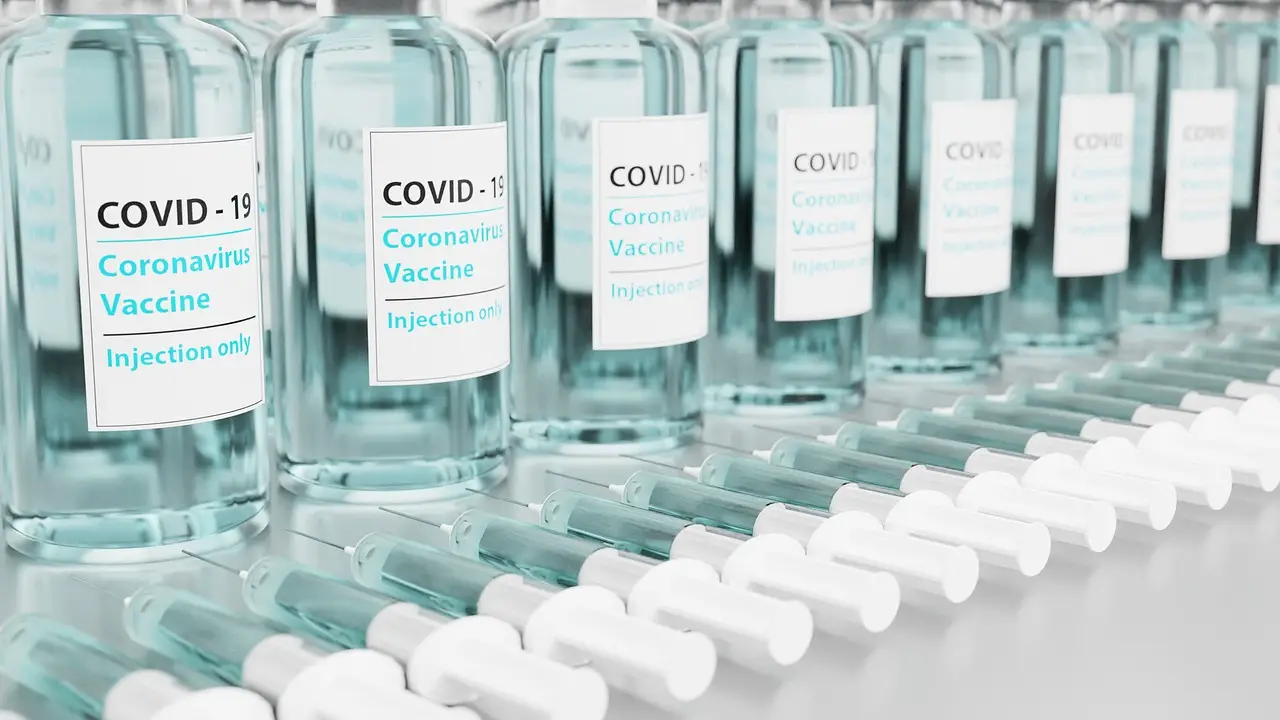
Six FDA-approved cosmetic neurotoxins now compete in the U.S., and dermatologists at the American Society for Dermatologic Surgery meeting in San Diego, held November 5–8, spent four days mapping what arrives next. Their conclusions point to a 2027 shaped by shorter-acting toxins, GLP-1-adjusted treatment plans, menopause sequencing data and Korean devices arriving at lower price points.
What is new in injectables?
Allergan Aesthetics' Boey (trenibotulinumtoxinE), approved in Europe and Canada but not yet in the U.S., works faster and wears off in weeks rather than months. Vancouver, BC dermatologist Shannon Humphrey, MD said: "A rapid-onset, shorter-duration treatment could be particularly appealing to people considering a neurotoxin treatment for the first time who may prefer a shorter-duration option."
At the opposite end sits Galderma's Relfydess, a ready-to-use liquid neurotoxin sold internationally, which lasted up to six months in clinical studies and is being pursued for U.S. approval. Fillers are narrowing in scope. Merz Aesthetics' newly FDA-approved Belotero Volume (+) targets the midface; Belotero Intense (+) is indicated for the lips.
Plymouth, MI dermatologist Farhaad Riyaz, MD cautioned that the products are not interchangeable. "It will take a year or two to figure out the nuances of some of these products," he said. Clinics now face a training and inventory workload measured in years, not product launches.
How are GLP-1 drugs changing facial treatment?
Weight loss from GLP-1 medications is pulling aesthetic treatment earlier in the patient journey. "When I teach GLP-1 to colleagues, I say your weight loss doesn't stop at your jawline," said New York dermatologist Marina Peredo, MD.
West Palm Beach, FL dermatologist Mojgan Hosseinipour, MD plans roughly one vial of Sculptra for every 10 pounds of expected weight loss. New York dermatologist Erin Kil, MD said filler is becoming "less about pumping up the volume and more so about repositioning the skin."
Allergan Aesthetics presented nine abstracts at the meeting, including two Phase 4 studies of patients on GLP-1 medications. In an interim analysis of the HALO study covering 25 of 75 participants, 95.7 percent were satisfied or very satisfied that they still looked like themselves after hyaluronic acid filler. San Diego dermatologist Sabrina Fabi, MD called the finding "particularly meaningful" for patients worried about looking overfilled. The data are early and small.
Why does injection sequence matter in menopause?
An eight-month Galderma-supported trial of menopausal women found a 27.3 percent increase in facial dermal thickness when Restylane Skinboosters preceded Sculptra, versus 15.7 percent with the order reversed. Neither use is FDA-approved in the U.S., and researchers need more work before sequencing becomes protocol.
Skin longevity also entered the discussion. New York dermatologist Doris Day, MD, co-founder of Rapalogix Health, pointed to TORC1, part of the mTOR pathway linked to aging. "This one essential element of your skin called TORC1 gets stuck in the on position, which makes the fibroblasts, the cells that are building collagen, exhausted," she said. Her company's Re-Q serum contains RLX-201, a molecule designed to calm that pathway. Hormone evaluation also drew attention. "Estrogen plays a central role in maintaining skin collagen, hydration, thickness and resilience," said Janine Hopkins, MD of Monroe, LA and Southlake, TX — though hormone therapy requires individual medical evaluation.
What did the hardware sessions cover?
Denver dermatologist Joel Cohen, MD reported faster healing with UltraClear's Laser-Coring Elite, which creates microscopic openings smaller than 300 microns versus roughly 360 microns for the original. "They're actually healing up more quickly and they pinch together," he said; patients often heal in five or six days. Anchorage, AK dermatologist Janine Miller, MD said a randomized treatment pattern cut full-face CO2 resurfacing to about 20 minutes.
Korean aesthetics moved beyond topicals. Hugel's Letybo, FDA-approved in 2024 for frown lines, showed a median three-day time to noticeable improvement in Phase 3 trials. At Wontech's booth, Omaha, NE dermatologist Daniel Schlessinger, MD pointed to Pico Majesty, a picosecond laser for pigmentation and tattoos, and Oligio X, a radiofrequency tightening device. "Some of these devices are also a lot more affordable than their U.S. equivalent," he said.
Washington, DC dermatologist Tina Alster, MD framed scar work as diagnosis first. "Red scars often respond to vascular lasers, while indented acne scars may benefit from resurfacing. It's always a recipe. It's very rarely just one treatment," she said.
Hydrafacial's new HydraClear booster combines salicylic, succinic and tranexamic acids for congestion, oil and post-breakout discoloration. In hair restoration, Dr. Riyaz flagged PRP paired with microneedling, Dr. Porto is watching a delayed-release oral minoxidil in Phase 2, and Dr. Hosseinipour uses off-label dutasteride mesotherapy roughly every three months.
Injectable PDRN, a salmon-derived DNA ingredient, remains unapproved for aesthetic use in the U.S. Dr. Kil urged caution about nodules and vascular complications: "I think it's just good to know what can go wrong potentially before doing anything."
Watch for Relfydess filing progress, full HALO enrollment data and the menopause sequencing trial's continuation through 2027.
via newbeauty.com (Source)
More from Marcus Bennett
Show full bio
Correspondent covering companies, deals and strategy in professional skincare and cosmetics industry at INCI File.
174 articles
Cross-references · Related articles
- Patients Now Ask Injectors to Leave Some Wrinkles Untreated
- Galderma Hit by FDA Complete Response Letter for RelabotulinumtoxinA
- FDA Accepts Galderma's Resubmitted BLA for Liquid Botulinum Toxin
- TrenibotulinumtoxinE: The New Botulinum Toxin Name Practitioners Are Asking About
- FDA Accepts sBLA for OnabotulinumtoxinA in Masseter Muscle Prominence
End of monograph · 4 min read