BATCH-6048 · filed
Integrative Medicine Moves Into the Aesthetic Dermatology Toolkit
Dermatology Times charts how integrative medicine — nutrition, sleep, stress, hormones — is entering mainstream aesthetic dermatology, reshaping treatment protocols, product demand and claims risk.
By Marcus Bennett · · 3 min read · 631 words
Composition
- Dermatology Times published a feature on integrative medicine's growing role in aesthetic dermatology
- The trend pairs lifestyle and nutritional interventions with injectables, lasers and peels
- Patient demand for whole-body approaches is pulling clinics toward protocol-based treatment menus
- Claims discipline between cosmetic and health claims remains the category's main compliance risk
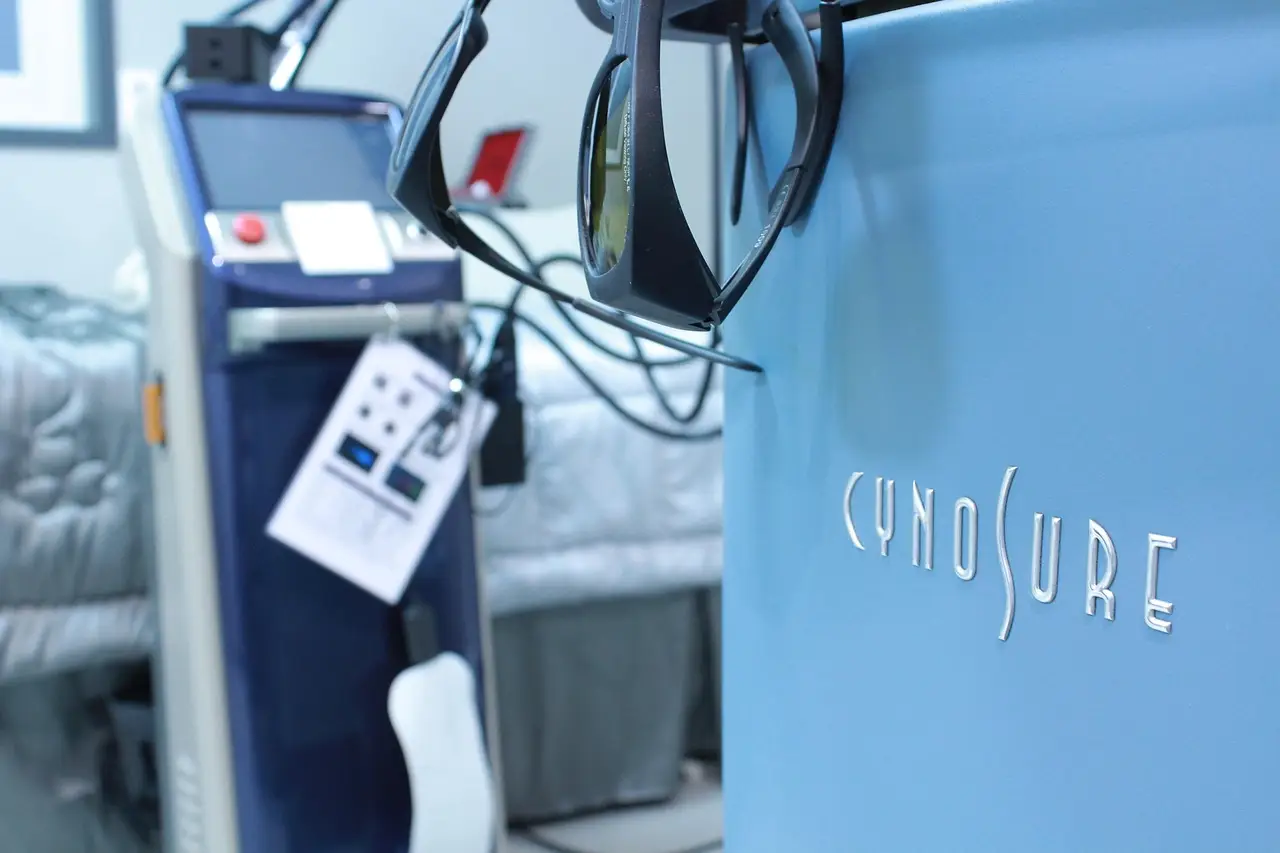
Dermatology Times has published a feature charting how integrative medicine is moving from the margins of wellness culture into mainstream aesthetic dermatology, a shift that changes how clinicians build treatment plans and how patients expect outcomes to be managed.
The piece, titled "The Growing Role of Integrative Medicine in Aesthetic Dermatology," addresses a question that formulators, clinic operators and suppliers now face directly: where does the boundary sit between a cosmetic procedure and a whole-body health intervention, and who is responsible for the parts that fall outside the syringe or the device handpiece.
What does integrative medicine mean in an aesthetic clinic?
In this context, integrative medicine does not replace injectables, lasers or chemical peels. It sits alongside them. The approach treats the patient's sleep, nutrition, stress load and hormonal status as inputs that shape how skin responds to aesthetic treatment, and it argues that clinicians who ignore those inputs leave results on the table.
For practices, the practical consequence is a wider intake process. A consultation that once recorded Fitzpatrick type and wrinkle severity now also covers diet, supplements and systemic health. That broadens the clinical record, and it broadens the liability conversation, because advice on nutrition or lifestyle sits closer to medical practice than to cosmetic service.
The takeaway: the treatment menu is expanding from procedures to protocols.
Why aesthetic dermatologists are paying attention now
Patient demand drives much of the movement. Consumers already track sleep, hydration and micronutrients through wearables and supplements, and they arrive at the clinic expecting the practitioner to connect those data points to skin outcomes. A clinician who dismisses that expectation risks losing the patient to a provider who speaks the language.
There is also a mechanism worth naming plainly. Skin ageing is not purely structural. Inflammation, glycation, hormonal decline and nutritional gaps all feed into collagen loss, barrier dysfunction and pigmentation. Aesthetic interventions address the structural layer. Integrative methods address the systemic drivers. Used together, they can reinforce each other; used separately, each one works harder than it should need to.
The takeaway: patients increasingly treat skin as an output of general health, and clinics are following.
What does this mean for product development and procurement?
For brands and suppliers, the trend reshapes demand in three areas.
- Oral and ingestible formats. Nutricosmetics and beauty-from-within products gain a professional endorsement channel when dermatologists recommend them alongside procedures. Formulators should expect questions about evidence, dosing and interactions, not just about INCI lists.
- Professional-grade protocols. Clinics need structured programmes that pair in-clinic treatments with home routines and, where relevant, supplementation. Suppliers who can document those protocols have an advantage over those who ship product alone.
- Claim discipline. Any product positioned at the integrative interface must keep cosmetic claims and health claims separated. That line differs by jurisdiction, and it is where most compliance risk in this category sits.
Procurement teams should also note that practitioner channels reward education and clinical partnership over volume discounts, because the recommendation, not the shelf, drives the sale.
The takeaway: integrative positioning sells protocols and evidence, not single SKUs.
What should buyers and clinic operators watch next?
The Dermatology Times feature signals that the trade press now treats integrative practice as a durable trend rather than a fringe interest. Expect more continuing-education content on nutrition and lifestyle counselling for aesthetic practitioners, more supplier-funded protocol studies, and sharper regulatory attention to ingestibles sold through clinic channels.
The next data points to watch are peer-reviewed outcome studies that compare procedure-plus-lifestyle protocols against procedures alone, and any guidance from dermatology associations on how far aesthetic practices may go in recommending supplements. Those two developments, more than marketing claims, will set the pace at which integrative medicine becomes standard practice rather than a differentiator.
via Google News - Cosmetic Dermatology (Source)
More from Marcus Bennett
Show full bio
Correspondent covering companies, deals and strategy in professional skincare and cosmetics industry at INCI File.
148 articles
Cross-references · Related articles
- Aesthetics Pivots to Multi-Year, Personalized Patient Plans
- Longer Cosmetic Consultations Drive Higher Treatment Uptake
- IMCD to showcase skincare–aesthetics crossover at in-cosmetics Global 2026
- AADA Backs New York City Council Medspa Investigation
- DermDox Group acquires Modern Aesthetics Plastic Surgery
End of monograph · 3 min read