BATCH-5810 · filed
Vegan cosmetics growth: chemistry over ethics, C&EN argues
Chemical & Engineering News argues vegan cosmetics growth stems from formulation chemistry, not ethical purchasing — with direct implications for R&D, compliance and claims architecture.
By Marcus Bennett · · 2 min read · 498 words
Composition
- C&EN feature argues vegan cosmetics growth is anchored in formulation chemistry rather than ethical purchasing.
- "Vegan" is not a regulated cosmetic category in the EU, US or most Asian jurisdictions; certifiers (Vegan Society, EVE Vegan, Leaping Bunny) set their own standards.
- Carmine carries INCI identity CI 75470 and EU colour number E120; suppliers are under EU Regulation 1223/2009 animal-testing cut-off rules.
- The piece implies three operating workstreams for brands: R&D, compliance auditing, and separation of vegan from cruelty-free claims.
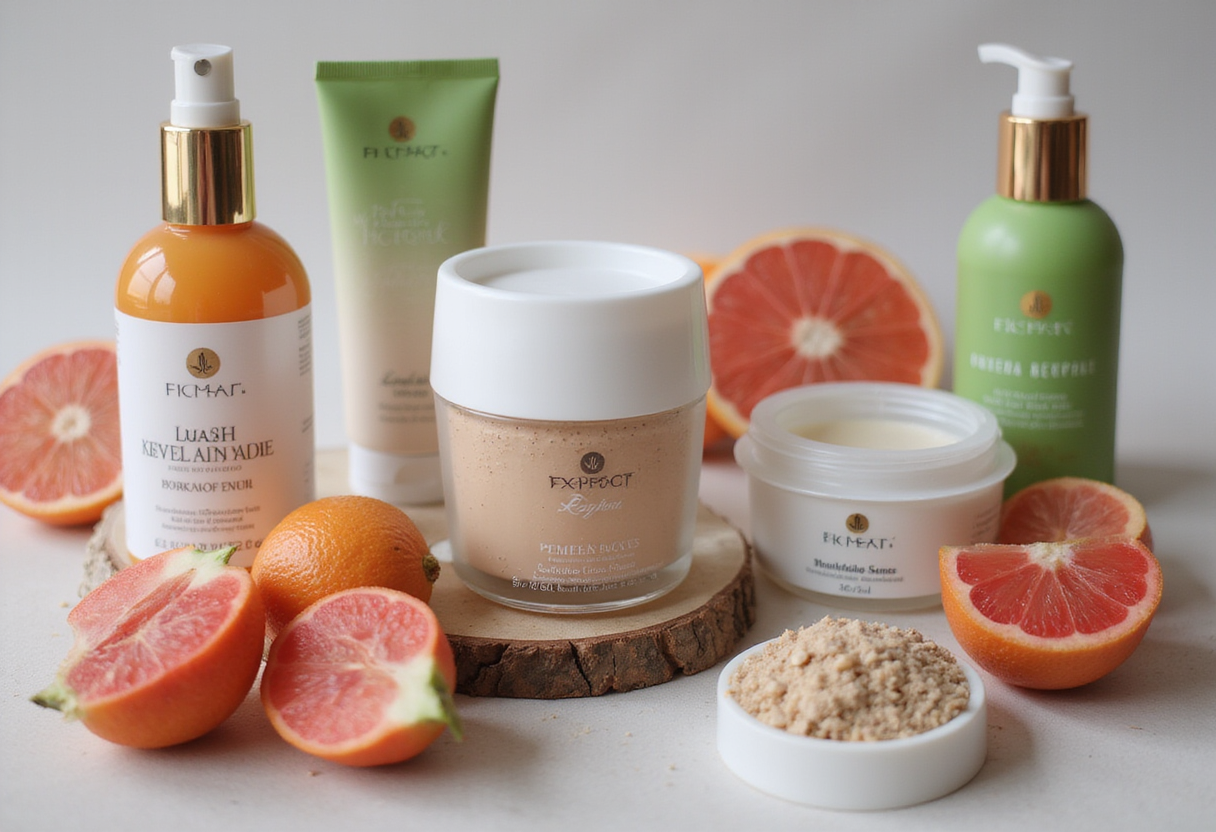
Vegan cosmetics are expanding on retail shelves, but the demand pull comes less from ethical purchasing and more from formulation chemistry, Chemical & Engineering News argues in a feature headlined "Vegan cosmetics are in vogue, but not for the reasons you would think."
The framing matters for formulators, procurement leads, brand managers and clinical operators who treat vegan claims as a routine line item rather than a niche differentiator. If growth is anchored in chemistry-side rather than values-side factors, ingredient selection, supplier qualification, claims substantiation and price architecture all shift in ways that are non-trivial.
What is the "unexpected" driver?
The C&EN piece interrogates the conventional vegan narrative — animal welfare, Gen Z ethical consumerism, environmental footprint — and points to technical alternatives that have matured in parallel with demand. Across the category, the most plausible alternate drivers include synthetic-biology routes for high-value actives, tightened regulatory pressure on animal-tested inputs in the EU and selected US states, supply-chain resilience after pandemic-era disruptions, and price volatility in traditional animal-derived raw materials such as beeswax, lanolin, carmine, collagen and squalane.
What regulatory weight does a vegan claim carry?
"Vegan" is not a regulated cosmetic category in the EU, US or most Asian jurisdictions. Certifiers — The Vegan Society, EVE Vegan, Leaping Bunny — apply their own standards, and those definitions are not interchangeable. For product developers, that means an audit going beyond the INCI list:
- Every raw material, including processing aids such as enzymes used in fermentation
- Filters historically sourced from animals (pearl powder, silk), replaced by mineral or cell-culture analogues
- Pigments drawn from insects, notably carmine (CI 75470, E120) and shellac, increasingly substituted by beet-derived, fermented or mineral options
- Supplier animal-testing history, including post-cut-off testing rules under EU Regulation 1223/2009
What does this change for product development?
If brand and R&D teams accept the C&EN framing, three workstreams follow. R&D should prioritize fermentation-derived and plant-cell-culture actives that close prior sensory, stability and color-payoff gaps in vegan formulations. Compliance teams should tighten supplier questionnaires to capture processing aids, fermentation substrates and any human- or animal-derived growth factors in biotech actives. Commercial teams should separate the vegan claim from cruelty-free claims, since the two rest on different certifiers and different regulatory anchors.
What should readers watch next?
Three data points will clarify whether the C&EN thesis holds. First, supplier-level disclosures on fermentation inputs and substrates — a continuing compliance pinch point for biotech actives. Second, any EU guidance update on "animal-free" terminology in on-pack claims. Third, follow-up C&EN reporting that quantifies the performance gap between legacy animal-derived materials and their fermentation or plant-cell-culture replacements.
The next concrete data point worth watching is the release of supplier-side technical dossiers covering fermentation substrates for squalane, hyaluronic acid and collagen analogues — product classes where the vegan positioning has so far outpaced the published performance data.
via Google News - Cosmetic Ingredient (Source)
More from Marcus Bennett
Show full bio
Correspondent covering consumer brands and retail at INCI File.
106 articles
Cross-references · Related articles
- India Ends Decade-Long Limbo: Veg/Non-Veg Dots Now Voluntary for Cosmetics
- EU Ingredient Pipeline Tightens as Hero Formulas Face Reformulation
- Reformulation Pressure: Performance, Sensoriality and Sustainability Collide
- BASF's Evonik Interest Headlines a September of Deals and Regulation
- Fully biobased composite enters cosmetic packaging research
End of monograph · 2 min read