BATCH-1453 · filed
Fully biobased composite enters cosmetic packaging research
Nature publishes research on a fully biobased material composite for cosmetic packaging, adding peer-reviewed weight to renewable packaging development for beauty brands.
By Rebecca Stone · · 2 min read · 310 words
Composition
- Nature published a study titled "A novel fully biobased material composite for cosmetic packaging applications."
- The composite is described as fully biobased, distinguishing it from partial biobased-petrochemical blends.
- Specific feedstocks, mechanical properties and commercialization timelines were not disclosed in the available summary.
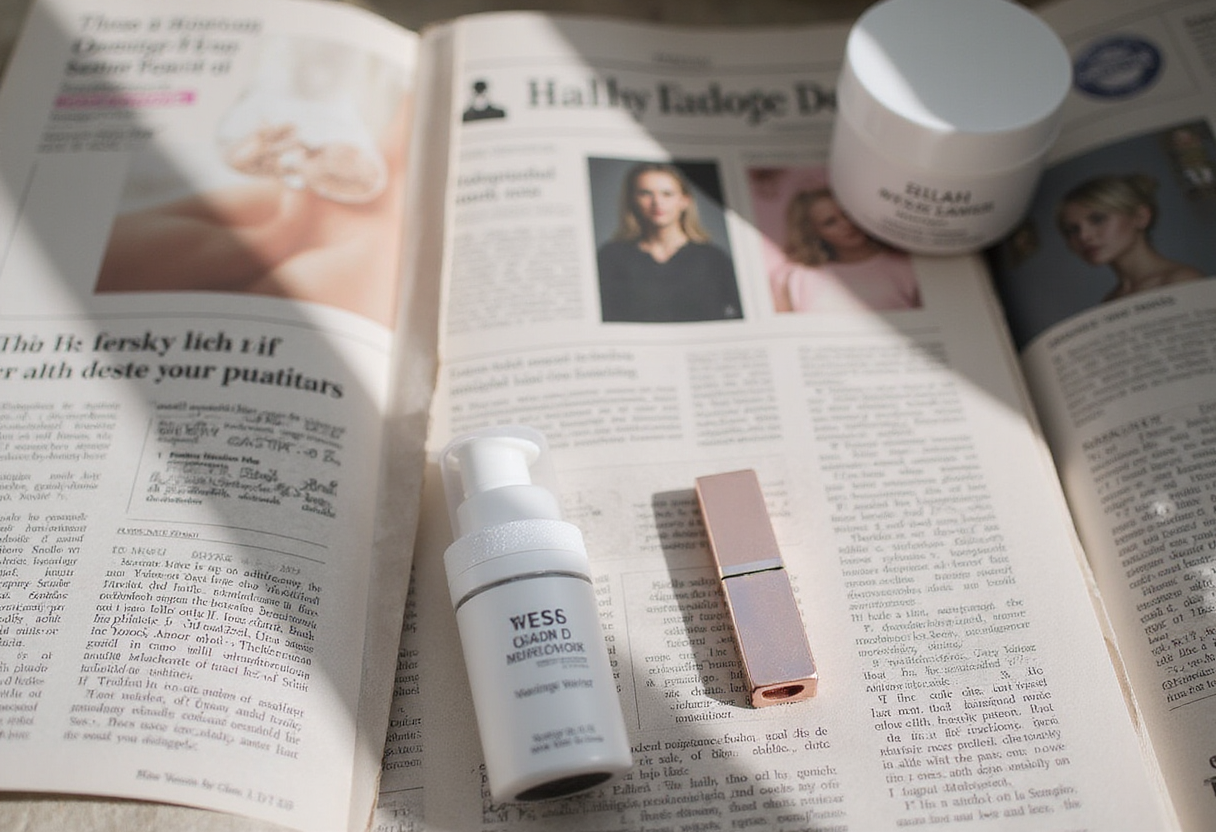
Researchers have published a study in Nature titled "A novel fully biobased material composite for cosmetic packaging applications," signalling a new entry in the race to replace fossil-based polymers in beauty packaging.
The paper addresses one of the most persistent pain points in cosmetic sustainability programs: the gap between partially biobased packaging — often blends that still rely on petrochemical feedstocks — and materials that are fully derived from renewable sources. The composite described in the study is positioned as fully biobased, a claim that matters commercially as brands face tightening scrutiny of green assertions under EU Green Claims-style regulation and similar regimes in other markets.
For formulators and packaging engineers, the arrival of peer-reviewed research on a fully biobased composite adds a credible data point to a field crowded with supplier marketing but thin on independent validation. Nature-level publication means the material's composition, mechanical performance and processing behavior come with methodological transparency that procurement teams can weigh against incumbent options such as bio-PET, bio-PE and PHA-based formats.
The development matters for compliance planning as well. Packaging placed on the EU market is heading toward stricter recyclability and renewable-content expectations under the Packaging and Packaging Waste Regulation framework, and brands that lock in biobased supply chains early may face less re-engineering pressure later.
Details on the composite's specific feedstocks, mechanical properties and commercialization timeline were not included in the available summary, and buyers will want those figures before qualifying the material for primary packaging such as jars, bottles or closures — applications where barrier performance and compatibility with anhydrous formulations, oils and preservative systems remain the decisive hurdles.
Watch for follow-up disclosures: supplier partnerships, patent filings and any pilot runs with a beauty brand, which would be the next concrete signals that this laboratory-stage composite is moving toward commercial availability.
via Google News - Cosmetic Formulation (Source)
More from Rebecca Stone
Show full bio
Staff writer covering industry trends and analytics at INCI File.
91 articles
Cross-references · Related articles
- Beauty packaging pivots to sustainable and recyclable formats
- Sustainability Shifts from Claim to Design Brief in Cosmetics Packaging
- Cosmetics shifts toward refill as regulations target single-use formats
- EU Packaging Overhaul Puts Indie Beauty Compliance in the Spotlight
- L'Oréal Partners with Dioxycle on Carbon-Based Packaging
End of monograph · 2 min read