BATCH-5125 · filed
EU Ingredient Pipeline Tightens as Hero Formulas Face Reformulation
EU Annex II, Annex III and SCCS opinion cycles continue to remove ingredients from compliant cosmetics, forcing brand-side reformulation of hero SKUs across fragrance, colour and skincare portfolios.
By Marcus Bennett · · 2 min read · 477 words
Composition
- EU Cosmetics Regulation (EC) No 1223/2009 governs Annex II prohibited and Annex III restricted ingredient lists.
- CMR 1A/1B classification under the CLP Regulation triggers an automatic cosmetic ban via Article 15.
- SCCS opinion-driven restrictions typically carry transition windows of nine to twenty-four months.
- Each INCI swap forces a full CPNP notification refresh, safety-data recalculation and stability re-test.
- Multinational brands usually maintain separate EU and non-EU versions of restricted hero SKUs.
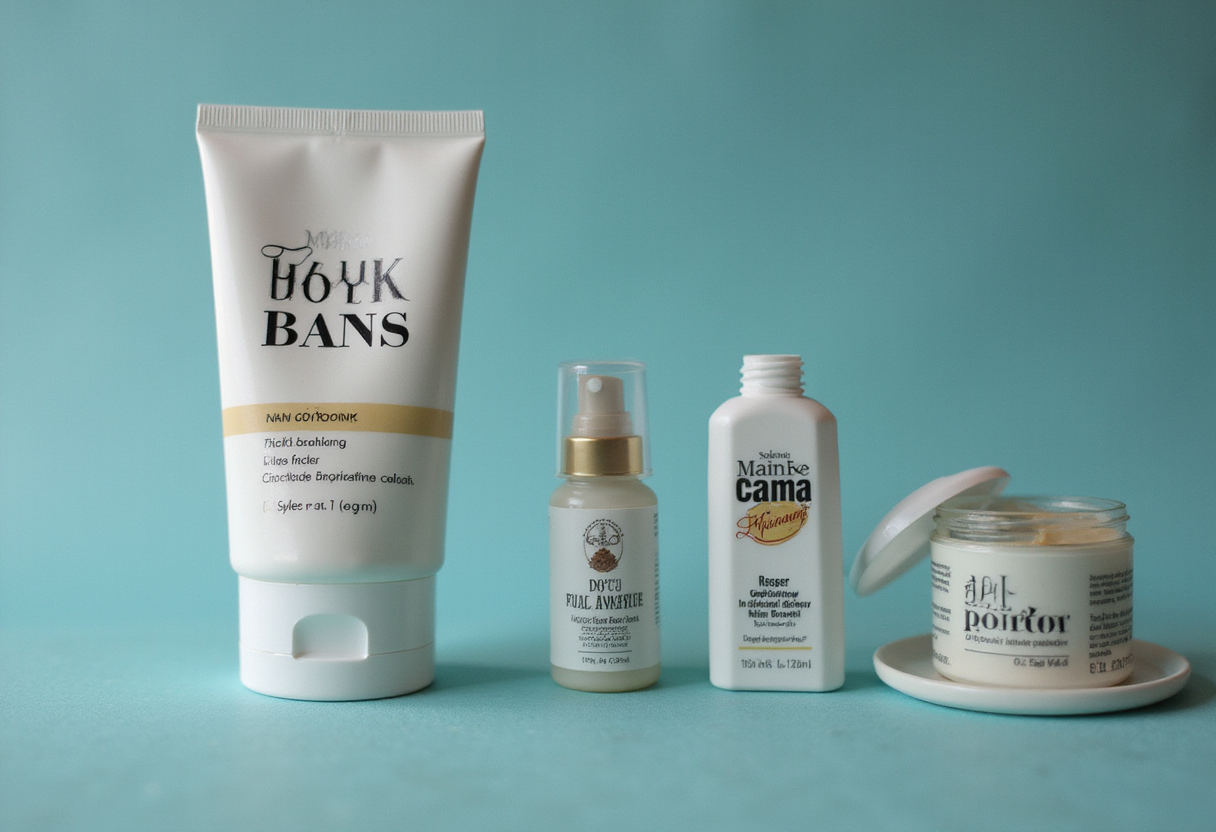
The European Commission continues removing cosmetic substances from the compliant-formulation list under Regulation (EC) No 1223/2009, forcing brands to rebuild the "hero" products that anchor their commercial identity across skincare, fragrance and colour cosmetics.
Which mechanism actually removes an ingredient?
Three legal pathways drive a substance out of compliant EU formulas:
- CMR 1A/1B classification under the CLP Regulation, which triggers an automatic ban via Article 15 of the Cosmetics Regulation
- SCCS opinions that move a substance to Annex II (prohibited) or lower its threshold in Annex III (restricted)
- REACH restrictions flagged by ECHA, which cascade into cosmetics supply chains via raw-material withdrawal
CMR-triggered bans move fastest. SCCS-driven restrictions carry defined transition windows, historically running between nine and twenty-four months before the new rule binds finished-product manufacturers.
Why do hero products get caught first?
Long-established portfolios rest on classical formulation architectures: high-performance solvents, traditional fragrance materials, stable pigment dispersions and legacy rheology modifiers. Regulators revisit these inputs first because:
- The chemistry is well-documented, so SCCS dossiers already exist
- Higher use levels force more conservative exposure calculations
- Industry dependence makes removal commercially consequential
What does reformulation actually cost?
Substitutions rarely deliver a one-to-one match. Solvent swaps shift viscosity and drying behaviour. Fragrance reconstitution changes the olfactive signature customers recognise. Pigment dispersion swaps alter opacity, tone and skin feel. Colour cosmetics, high-SPF sun care and dense fragrance formats sit at the most disruption-prone end of the spectrum because their stability depends on restricted surfactants and rheology modifiers.
What does each INCI swap trigger upstream?
Every reformulation cycle reopens the regulatory stack:
- CPNP notification refresh and Cosmetic Product Safety Report rebuild
- Margin-of-safety recalculation against new exposure assumptions
- Stability and challenge testing re-execution
- Fragrance-allergen declaration updates
- Vendor specification renegotiation with Tier-1 ingredient suppliers
For multinational brands, the same hero SKU often requires one formula for the EU/UK and a separate formula for the US, APAC and emerging markets where the restricted input still ships.
What should compliance teams do now?
Treat the next 12–18 months as an active ban-risk window. Build a portfolio map that flags every SKU dependent on an Annex III-restricted input or a substance under active SCCS review. Hold second-source agreements for the highest-risk surfactant, preservative and UV-filter families. Safety assessors should pre-draft exposure calculations for the most likely substitution candidates.
Which SCCS opinion should brands watch first?
The SCCS work programme for 2025–2026 is set to deliver opinions on additional fragrance sensitisers and selected UV-filter candidates, alongside further deliberation on substances flagged under ECHA's REACH restrictions. Brands that audit their Annex III dependency in the current quarter face the lowest disruption cost when the next opinion lands and the clock on a new transition window starts ticking.
via Google News - Cosmetic Ingredient (Source)
More from Marcus Bennett
Show full bio
Correspondent covering consumer brands and retail at INCI File.
106 articles
Cross-references · Related articles
- EU Parliament votes on hazardous cosmetics substance bill
- New EU Regulation Tightens Rules on Cosmetic Substances
- Six beauty ingredients legal in US, banned in EU: the compliance gap that shapes formulation
- EU Parliament votes on contested hazardous substances cosmetics bill
- EU Omnibus VI halves CMR phase-out to six months; nanomaterial rule stays
End of monograph · 2 min read