BATCH-5345 · filed
UK Government Moves to Crack Down on Unsafe Cosmetic Procedures
The UK government has announced a crackdown on unsafe cosmetic procedures, signaling tougher oversight of the aesthetics sector and higher compliance demands ahead.
By James Calloway · · 2 min read · 388 words
Composition
- The UK government has announced a crackdown on unsafe cosmetic procedures
- The announcement was published on GOV.UK as a public protection measure
- Practitioners should expect tighter enforcement rather than guidance alone
- Specific licensing and enforcement mechanics are expected to follow
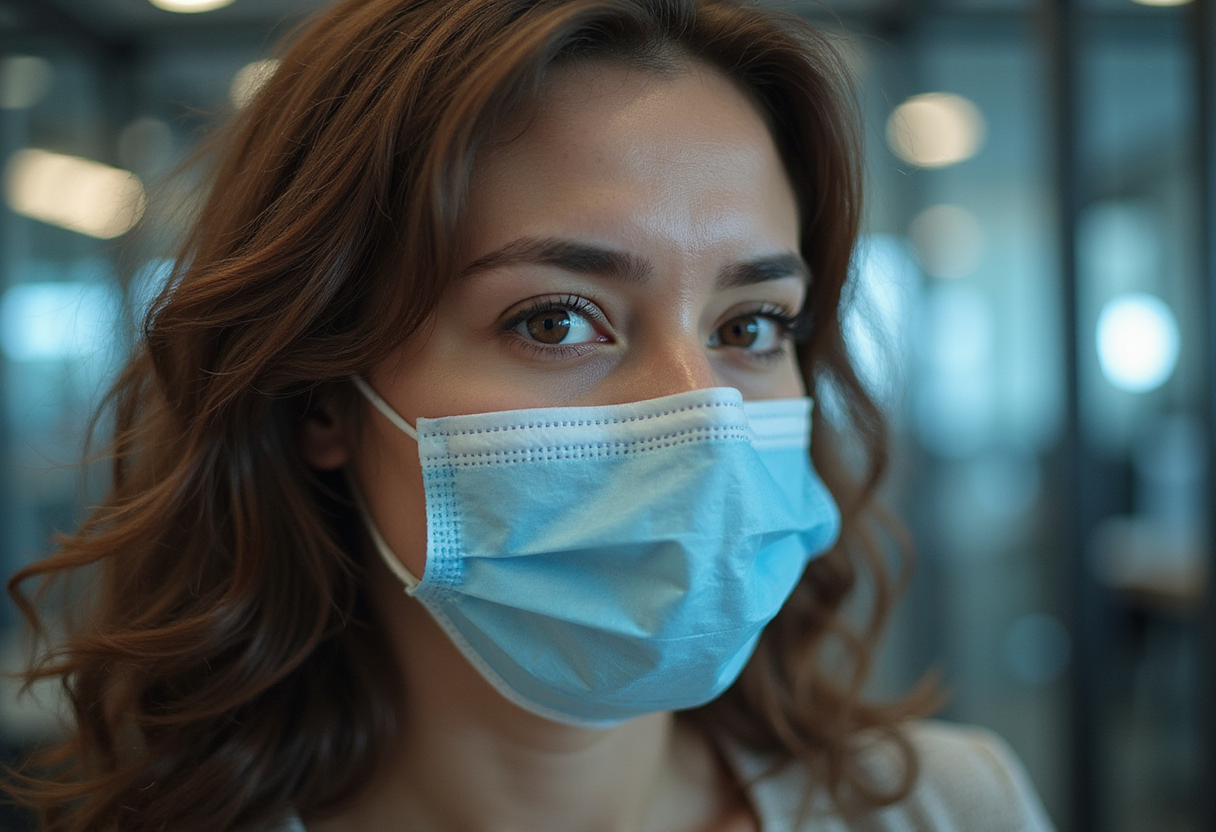
The UK government has announced a crackdown on unsafe cosmetic procedures, signaling a regulatory shift that practitioners and product suppliers cannot afford to ignore.
The announcement, published on GOV.UK under the title "Crackdown on unsafe cosmetic procedures to protect the public," confirms ministerial intent to tighten oversight of the aesthetics sector. For clinics, formulators and distributors operating in the UK market, the direction of travel is clear: the era of light-touch supervision of non-surgical treatments is ending.
What does the crackdown target?
The government frames the initiative as a public protection measure. Unsafe cosmetic procedures — treatments performed without adequate training, hygiene standards or clinical oversight — have drawn increasing political attention in recent years, and this announcement places them formally on the enforcement agenda.
Practitioners should read this as a warning shot. A crackdown implies active intervention rather than guidance alone. That typically means inspections, licensing conditions and potential penalties for operators who fall short.
What does it change for practitioners?
For clinic owners and aesthetic practitioners, the announcement carries three practical implications:
- Compliance workload rises. Any operator currently working outside a licensed or regulated framework should prepare for scrutiny. Paper trails — training records, insurance, consent forms — become evidence of legitimacy.
- Treatment menus face review. Procedures offered without demonstrable safety protocols sit squarely within the government's stated target zone.
- Procurement standards tighten. Sourcing products and devices from reputable suppliers, with full documentation, becomes a defensive necessity rather than a preference.
Suppliers, for their part, should expect downstream clients to demand clearer documentation. A crackdown on procedures inevitably pulls the supply chain into view.
Why now?
The government's language — "protect the public" — positions the move as consumer safety policy rather than industry reform. That framing matters. Consumer protection measures tend to attract cross-party support and survive changes of government more easily than contested business regulation.
The aesthetics sector has grown faster than its regulatory perimeter. Ministers appear ready to close that gap.
What should the trade watch next?
The announcement is a statement of intent; the mechanics will follow. Industry professionals should monitor GOV.UK and Department of Health channels for the legislative or statutory instrument that gives the crackdown legal force. The next data point to watch is the specific enforcement framework — licensing requirements, inspection regimes and deadlines — expected to follow this declaration.
via Google News - Cosmetics Regulation (Source)
More from James Calloway
Show full bio
Senior reporter covering money, funding and market shifts around professional skincare and cosmetics industry at INCI File.
114 articles
Cross-references · Related articles
- MPs to examine delays to non-surgical cosmetic procedure regulation
- New York City Probe Exposes Unlicensed Botox and Butt Lift 'Medspas'
- UK and EU Cosmetics Law: 2026 Regulatory Updates Preview
- Superdrug Demands Tougher Regulation of UK Aesthetics Sector
- Longer Cosmetic Consultations Drive Higher Treatment Uptake
End of monograph · 2 min read