BATCH-3614 · filed
FDA Withdraws Talc Asbestos Rule for Cosmetics
The FDA has withdrawn its talc asbestos rule for cosmetics, leaving the industry without a binding federal testing standard for asbestos in talc.
By Sophie Lindqvist · · 3 min read · 560 words
Composition
- The FDA has withdrawn its talc asbestos rule for cosmetics.
- No federal testing method for asbestos in talc cosmetics will now become mandatory.
- Companies retain product-safety responsibility for talc without a prescribed test protocol.
- State-level and retailer requirements remain operative constraints on talc suppliers.
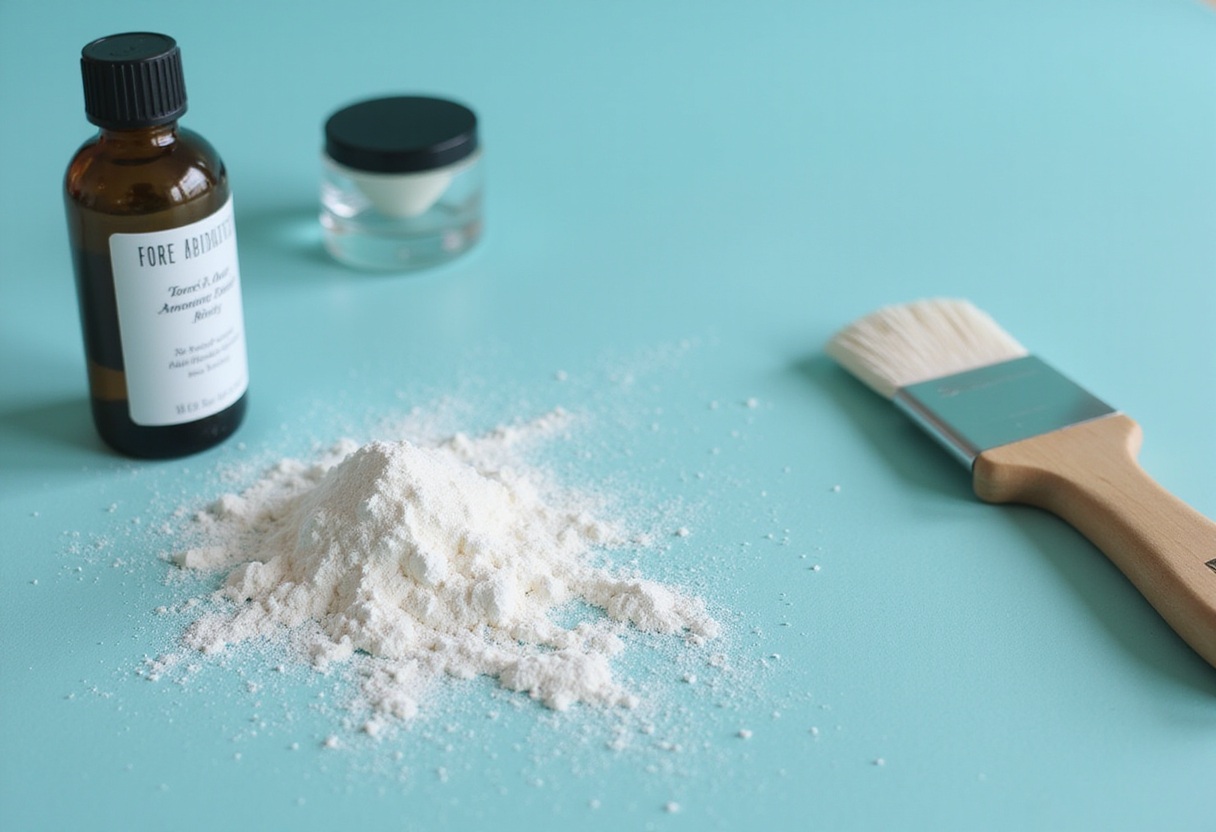
The FDA has withdrawn its talc asbestos rule for cosmetics, ending — for now — the agency's bid to set a federal testing standard for asbestos contamination in talc-based products.
For formulators and compliance teams, the withdrawal removes a rulemaking many had spent years preparing for. It also leaves the US cosmetics industry without a binding federal requirement to test talc for asbestos, at a moment when several states and retailers already operate their own screening expectations.
What did the FDA actually withdraw?
The withdrawn rule concerned asbestos detection in cosmetic products containing talc. The FDA had been working toward a rule that would have established standardized analytical methods for detecting asbestos in talc-containing cosmetics — a category that historically includes pressed powders, eyeshadows, blushes and body powders.
With the rule withdrawn, no federal mandate replaces it. Manufacturers remain responsible for product safety under existing cosmetics law, but without a prescribed test method or contamination limit written into regulation.
The practical consequence: compliance workload tied to the proposed rule stops. Quality-assurance programs built around anticipated FDA testing protocols now face an open question about which method to document.
What does the withdrawal change?
For product development, the change is ambiguous. Talc-based formulations can continue without the compliance overlay the rule would have imposed. But the reputational and litigation environment around talc has not disappeared, and buyers know it.
Procurement teams should expect suppliers to keep issuing certificates of analysis referencing asbestos screening, regardless of the regulatory posture. Certificate checks stay on the agenda.
For treatment menus and professional use, the withdrawal does not clear talc of controversy. Salons and spas that removed talc-based powders from their service carts in recent years have little reason to reverse that decision on regulatory grounds alone.
Three practical effects stand out:
- No federal asbestos test method becomes mandatory for talc cosmetics.
- Companies that already test voluntarily gain no regulatory harmonization; method choice stays in-house.
- State-level and retailer-driven requirements remain the operative constraints.
Why does this matter to the trade?
Asbestos in talc has been one of the most litigated contaminants in the cosmetics sector. The FDA's rulemaking effort was the agency's attempt to bring methodological order to a field where different analytical techniques — and different laboratories — can reach different conclusions about the same sample.
A withdrawal signals that the federal standard-setting effort has stalled or been abandoned in its current form. It does not signal that the FDA considers asbestos contamination a closed question, and it does not amend existing adulteration provisions under which contaminated product can still be acted upon.
For buyers, the takeaway is blunt: supplier verification remains a private function, not a regulatory guarantee.
What should professionals watch next?
Watch for follow-up moves. The FDA could reissue a revised proposal, fold the topic into broader modernization efforts, or leave the space to voluntary standards bodies and state legislators. Each path carries a different compliance timeline.
Formulators using talc should document their current screening method, supplier certificates and lot-level results now — so that whatever filing, subpoena or re-proposal arrives next, the paper trail already exists.
The next data point to watch is whether the FDA publishes a successor proposal or formal explanation for the withdrawal; until then, talc asbestos testing in US cosmetics stays a voluntary, company-by-company decision.
via Google News - Cosmetics Regulation (Source)
More from Sophie Lindqvist
Show full bio
Market editor covering regulation, policy and their impact on professional skincare and cosmetics industry at INCI File.
91 articles
Cross-references · Related articles
- FDA Withdraws Proposed Asbestos Screening Rule for Cosmetics
- FDA Withdraws Rule to Standardize Asbestos Testing in Talc Cosmetics
- FDA Withdraws Cosmetics Rule on Talc: Compliance Impact
- RFK Jr. Signs Pullback of Asbestos Testing Plan for Talc Cosmetics
- FDA Talc Page Back in Focus for Cosmetic Formulators
End of monograph · 3 min read