BATCH-8560 · filed
RFK Jr. Signs Pullback of Asbestos Testing Plan for Talc Cosmetics
HHS Secretary Robert F. Kennedy Jr. has signed a withdrawal of the federal asbestos testing plan for talc-containing cosmetics, removing the most concrete federal screening mandate the industry had anticipated under MoCRA.
By Amara Osei · · 3 min read · 633 words
Composition
- RFK Jr. signed a withdrawal of the federal asbestos testing plan for talc-containing cosmetics
- The withdrawn rule would have mandated standardized PLM and TEM screening under MoCRA
- No federal mandate now requires asbestos testing in talc-based cosmetic products
- Litigation exposure for talc manufacturers remains unchanged by the regulatory pullback
- Industry will watch for a formal Federal Register notice confirming the withdrawal
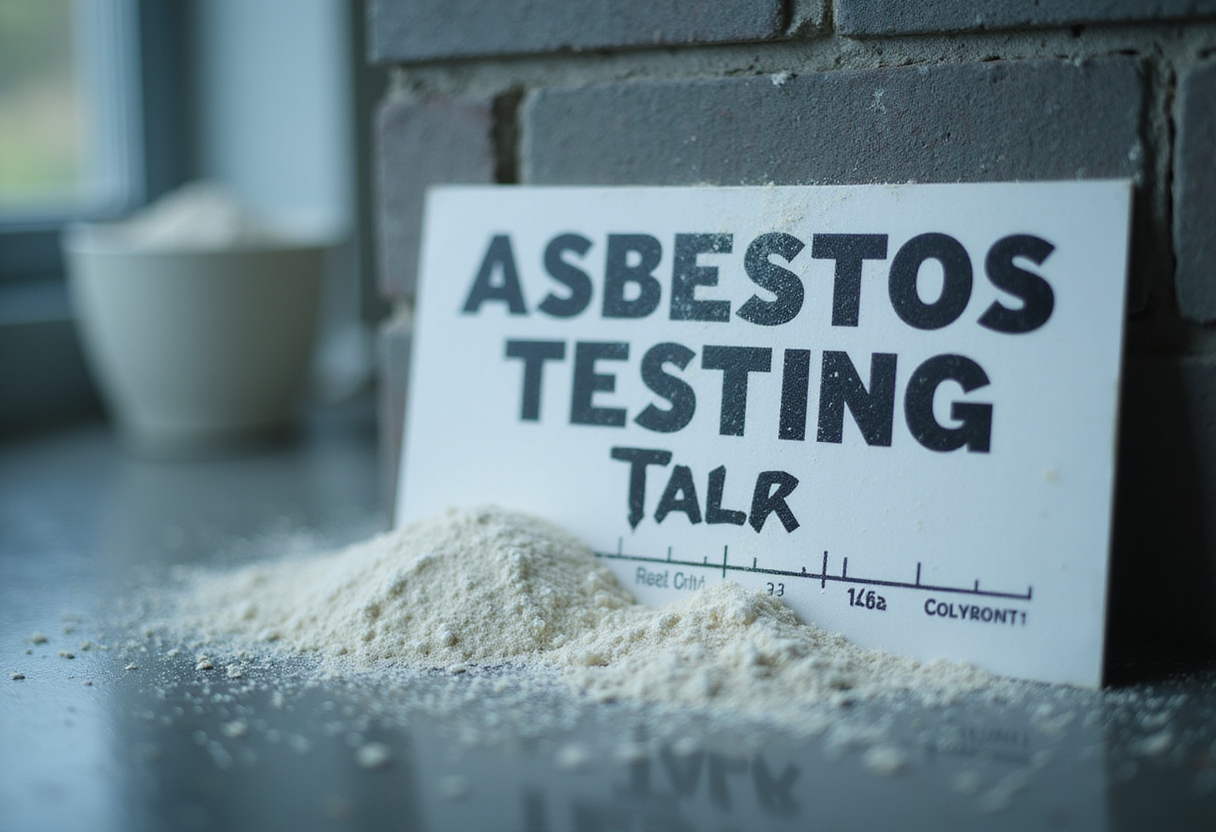
US Health and Human Services Secretary Robert F. Kennedy Jr. has signed a withdrawal of the federal asbestos testing plan for talc-containing cosmetics. The pullback removes the most concrete federal testing mandate the cosmetics industry had been working toward under the Modernization of Cosmetics Regulation Act (MoCRA).
Without the rule, formulators, brand owners and contract manufacturers handling talc lose a defined federal standard for asbestos screening in raw materials and finished products. The shift reframes compliance from a regulatory obligation to a voluntary, market-driven decision.
What changes for compliance teams
Talc has drawn regulatory and litigation scrutiny for decades because of its geological proximity to asbestos-forming minerals. The withdrawn rule would have set a federal floor mandating specific analytical methods for asbestos detection, most commonly polarized light microscopy (PLM) and transmission electron microscopy (TEM), and required manufacturers to retain testing documentation.
That floor is now gone. Compliance teams at large brand owners will see little operational disruption. Most already source from suppliers that run routine asbestos analysis and hold USP or pharmaceutical-grade certifications.
Procurement teams at smaller indie brands and contract manufacturers sourcing commodity-grade talc without third-party verification lose the protection a federal mandate would have provided.
What changes for formulators
R&D teams that reformulated away from talc during the rule's comment period now have an opening to revert. Talc remains a workhorse in pressed powders, eye shadows, blushes, body powders and dry shampoos because of its platy texture, oil absorption and slip. Reformulators who had switched to sericite, mica or starch alternatives to anticipate the testing rule can reassess.
Returning to talc without documented supplier testing protocols creates a documentation gap that quality and regulatory teams will need to close. Any testing protocol now rests on brand-side or supplier-side voluntary commitment.
Litigation risk holds steady
The regulatory pullback does not affect pending or future talc litigation. Plaintiffs' firms test products independently using accredited laboratories, and courts do not treat the presence or absence of a federal testing rule as decisive in product liability claims.
Companies using talc in body powders, blushes, eye shadows and similar formulations retain the same exposure they held before the rule was proposed. The class-action environment has produced multimillion-dollar verdicts against talc suppliers and brand owners over the past decade, and that pipeline is unaffected.
Procurement and legal teams should treat supplier testing documentation as litigation defense, not merely as regulatory compliance.
What Kennedy's decision signals
The withdrawal aligns with Kennedy's stated approach to chemical safety, which weighs testing costs against demonstrated risk. The talc rule had drawn industry comment letters questioning the cost of mandated methodologies, particularly for small manufacturers with limited lab budgets.
HHS's posture under Kennedy has favored narrower, risk-targeted regulation over broad chemical-testing mandates. The talc decision fits that pattern and signals how the department may handle other MoCRA-implementing rules, including fragrance allergen disclosure and GMP modernization.
What to watch next
- Whether the FDA publishes a formal Federal Register notice confirming the withdrawal and any accompanying statement of reasoning
- Whether HHS or FDA issues non-binding guidance replacing portions of the rule, particularly around supplier documentation
- The 2026 cosmetic facility registration data, which will show how many talc-handling facilities disclose testing protocols without a mandate
- Ongoing talc verdicts and settlements, which continue to set the de facto risk benchmark regardless of federal action
- Whether major mass-market retailers impose their own talc testing requirements to fill the regulatory gap
Brands that pause reformulation plans and continue using talc should document supplier testing protocols at the same level of rigor they would have applied under a federal rule. Without that documentation, the federal floor is replaced by a litigation floor, and the latter is more expensive.
via Google News - Cosmetics Regulation (Source)
More from Amara Osei
Cross-references · Related articles
- FDA Withdraws Proposed Asbestos Screening Rule for Cosmetics
- FDA Withdraws Cosmetics Rule on Talc: Compliance Impact
- FDA Withdraws Rule to Standardize Asbestos Testing in Talc Cosmetics
- L'Oréal Weighs Exit From Talc Liabilities as 760 Cases Pending
- MoCRA Puts Cosmetics Under FDA Oversight: Compliance Basics
End of monograph · 3 min read