BATCH-7219 · filed
L'Oréal Weighs Exit From Talc Liabilities as 760 Cases Pending
L'Oréal faces ~760 talc-asbestos proceedings and 11,554 federal hair relaxer MDL claims, and has reportedly hired Weil Gotshal and Ducera to explore shedding the liabilities.
By James Calloway · · 3 min read · 686 words
Composition
- L'Oréal had approximately 760 pending US talc-asbestos proceedings as of 30 June, per its half-year report.
- WSJ reports L'Oréal tapped Weil Gotshal & Manges and Ducera Partners to explore options for talc and chemical-ingredient liabilities.
- 11,554 federal consolidated hair relaxer claims are pending in an MDL in the Northern District of Illinois; 1,082 further actions sit in state courts.
- Arizona's Attorney General filed a consumer fraud lawsuit against Softsheen-Carson and L'Oréal on 10 September.
- No case involving a L'Oréal subsidiary has gone to trial; some claims dismissed, others settled.
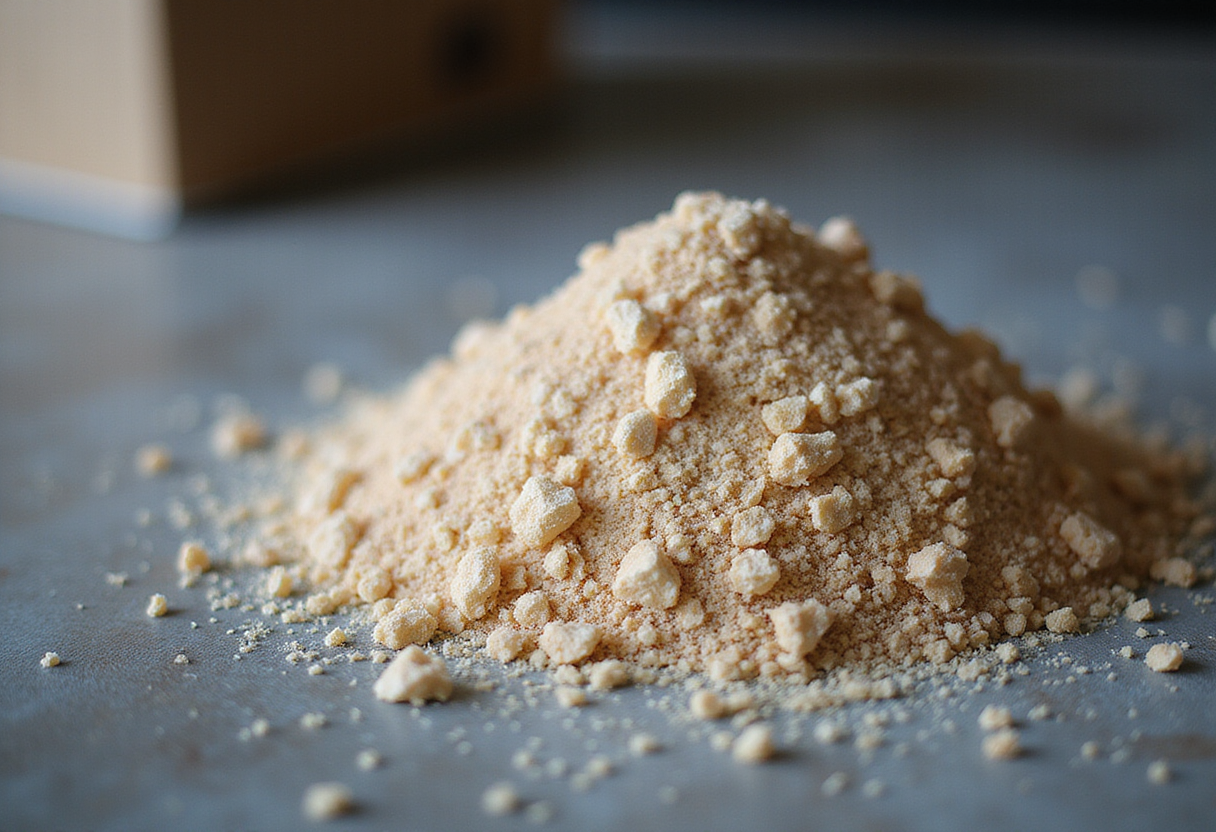
L'Oréal faces roughly 760 pending US proceedings over alleged asbestos contamination in talc-based cosmetics as of 30 June, and the group is now reportedly exploring options to offload those liabilities altogether.
Citing people familiar with the matter, the Wall Street Journal reported that the French beauty giant has tapped law firm Weil Gotshal & Manges and investment bank Ducera Partners to advise on potential strategies for dealing with talc and other chemical-ingredient litigation exposure in the US. Neither L'Oréal nor the two advisors has confirmed the mandate. Cosmetics Business has contacted all three for comment.
For formulators and procurement teams, the signal is hard to miss: the world's largest cosmetics group is treating ingredient litigation exposure as a balance-sheet problem big enough to consider structural solutions — a playbook Johnson & Johnson pioneered with its controversial talc liabilities.
What does the litigation actually involve?
According to L'Oréal's half-year financial report, the ~760 talc cases allege the presence of asbestos particles in certain talc-containing cosmetic products. The company's position is unambiguous: it "strongly contests the claims made in these actions."
The report also notes the current state of play:
- No case involving a L'Oréal subsidiary has gone to trial.
- Some claims have been dismissed.
- Others have been settled.
That record matters. Until a talc claim reaches a jury, L'Oréal's exposure remains theoretical in court terms — but the cost of defending hundreds of proceedings, and the reputational drag of any trial, is real.
How big is the hair relaxer exposure?
The talc docket is not the group's largest US legal problem. L'Oréal's half-year report discloses that, as of 30 June, its US companies were defendants in 11,554 federal consolidated proceedings in a multi-district litigation (MDL) pending in the US District Court for the Northern District of Illinois. The MDL consolidates claims alleging the company failed to disclose cancer risks associated with chemical hair relaxer products.
A further 1,082 individual — sometimes consolidated — actions are pending across various state courts.
Combined, the two workstreams exceed 13,000 active proceedings. That scale explains why restructuring advisors and an investment bank are reportedly at the table rather than outside litigation counsel alone.
What is the Arizona lawsuit about?
Beyond the private litigation, state enforcement has entered the picture. On 10 September, the Arizona Attorney General's Office filed a consumer fraud lawsuit against Softsheen-Carson and its parent company L'Oréal.
A L'Oréal USA spokesperson said in a statement that the allegations in the lawsuit "have neither legal nor scientific merit."
"L'Oréal's highest priority is the health and wellbeing of all our consumers," the spokesperson continued. "Our products are subject to a rigorous scientific evaluation of their safety by experts who also ensure that we strictly follow all regulations in every market in which we operate."
The company's defense rests on dual pillars — scientific safety evaluation and regulatory compliance — which will be tested against state consumer-fraud statutes rather than personal injury law.
What does this mean for the ingredient supply chain?
L'Oréal is not alone in the dock. Several companies have faced US legal action over claims of cancer-causing chemicals in cosmetics, and talc has become the sector's highest-profile battleground since the J&J litigation.
For the wider industry, the reported advisory mandate carries three practical implications:
- Formulation risk. Any brand still sourcing talc for powders and pressed products faces the same contamination-claim template, regardless of supplier certification.
- Compliance workload. Chemical hair relaxer claims, plus state-level fraud suits like Arizona's, add disclosure and labeling scrutiny beyond federal FDA requirements.
- Structural precedent. If L'Oréal pursues a liability-separation vehicle, it could become the reference case for how beauty groups ring-fence legacy ingredient risk.
Watch for confirmation or denial of the advisor mandates, the first trial date in any talc proceeding against a L'Oréal subsidiary, and the next MDL bellwether rulings in the Northern District of Illinois — those are the data points that will set timelines for any broader restructuring move.
via wsj.com (Original)
More from James Calloway
Cross-references · Related articles
- FDA Withdraws Proposed Asbestos Screening Rule for Cosmetics
- FDA Withdraws Rule to Standardize Asbestos Testing in Talc Cosmetics
- RFK Jr. Signs Pullback of Asbestos Testing Plan for Talc Cosmetics
- FDA Withdraws Cosmetics Rule on Talc: Compliance Impact
- L'Oréal and Beiersdorf CEOs flag 'pivotal moment' over regulatory load
End of monograph · 3 min read