BATCH-6263 · filed
Superdrug Demands Tougher Regulation of UK Aesthetics Sector
Superdrug has called for stronger regulation of the UK aesthetics industry, urging government action as high street beauty and clinical treatments converge.
By Marcus Bennett · · 3 min read · 555 words
Composition
- Superdrug, a major UK health and beauty retailer, has publicly called for stronger regulation of the UK aesthetics industry
- The UK aesthetics sector currently operates under fragmented rules with no single national licensing scheme
- Superdrug's call signals established industry players now back tighter oversight rather than lighter-touch rules
- The intervention is a public push for government action, not a response to a specific legislative proposal
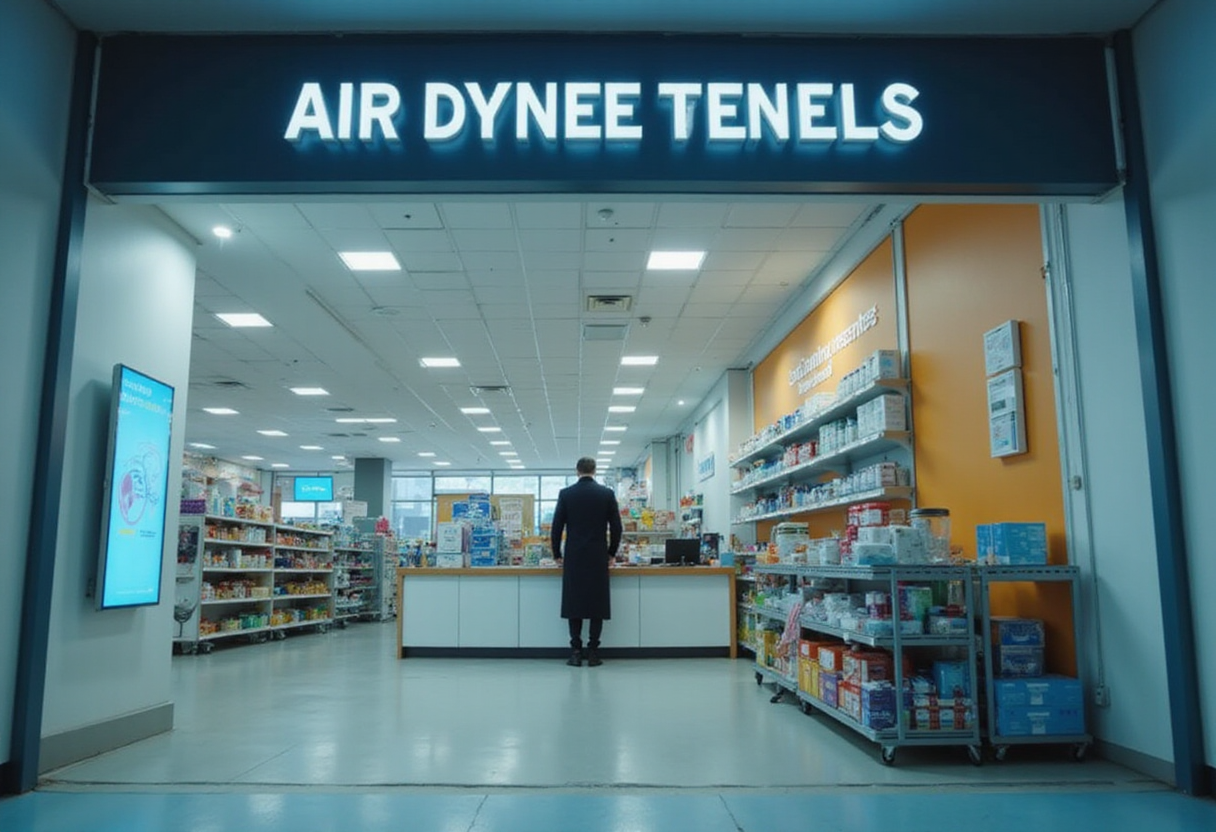
Superdrug, one of the UK's largest health and beauty retailers, has publicly called for stronger regulation of the British aesthetics industry, putting corporate weight behind a debate that has run for years without comprehensive legislation.
The company's intervention matters because of its market position. Superdrug operates hundreds of stores across the UK and has expanded into beauty and skin services, which places it directly adjacent to the aesthetics market — injectables, skin treatments and cosmetic procedures — where practitioners currently operate under fragmented rules.
What is Superdrug asking for?
The retailer wants the UK government to tighten oversight of the aesthetics sector. The industry has grown rapidly, with treatments such as anti-wrinkle injections and dermal fillers moving from clinic settings into high street venues, while regulation has not kept pace.
Under the current framework, the sector is governed by a patchwork:
- No single national licensing scheme covers all aesthetic procedures in England
- Dermal fillers remain unregulated for non-healthcare practitioners in much of the country
- Qualification requirements vary by treatment type and by UK nation
- Enforcement falls to local authorities with limited resources
For professionals who formulate products, run treatment menus or buy for retail chains, this regulatory ambiguity shapes the entire commercial environment. A retailer of Superdrug's scale calling for stricter rules signals that parts of the industry itself now view voluntary standards as insufficient.
Why does a retailer's voice carry weight?
When a major high street chain calls for more regulation rather than less, it changes the political calculation. Businesses usually lobby against compliance burdens. Superdrug's position suggests the reputational risk of an under-regulated aesthetics market — botched procedures, unqualified practitioners, consumer harm — now outweighs the cost of compliance for established players.
The call also aligns with a broader pattern. Beauty retail has converged with clinical aesthetics, and large operators have an interest in a framework that pushes out unqualified competitors and builds consumer trust in the category as a whole.
What could change for practitioners and suppliers?
If government acts on Superdrug's demand, the likely consequences for the trade would include:
- A national licensing scheme for aesthetic practitioners, standardising who can perform which procedures
- Minimum training and qualification thresholds, raising the bar for entry into the sector
- Stricter rules on advertising and claims for cosmetic procedures
- Greater clarity on where retail ends and clinical treatment begins — a line that directly affects chains selling both products and services
For procurement and product development teams, tighter practitioner regulation would professionalise the channel through which device and injectable products reach consumers, potentially consolidating demand among licensed clinics and reputable suppliers.
What happens next?
No bill or statutory instrument accompanies Superdrug's call at this stage — the intervention is a public push for government action rather than a response to a specific legislative proposal. The UK government has previously consulted on licensing for non-surgical cosmetic procedures, and industry bodies have lobbied for years for a consistent national regime.
The next data points to watch are ministerial responses to the call, any fresh consultation on a national licensing scheme for aesthetic treatments, and whether other major retail and clinic operators add their names to the demand. Until legislation lands, the sector remains governed by the current fragmented framework, and practitioners should treat any reform timeline as multi-year rather than immediate.
via Google News - Cosmetics Regulation (Source)
More from Marcus Bennett
Show full bio
Correspondent covering consumer brands and retail at INCI File.
110 articles
Cross-references · Related articles
- India moves to tighten regulation of skin-enhancing treatments
- New York City Probe Exposes Unlicensed Botox and Butt Lift 'Medspas'
- CDSCO rules injectable cosmetic products illegal under Indian law
- IMCD to showcase skincare–aesthetics crossover at in-cosmetics Global 2026
- CDSCO Reclassifies Injectable Cosmetics as Drugs in India
End of monograph · 3 min read