BATCH-9229 · filed
Sephora and Brand Partners Move to Scaled Plastic Recovery
Sephora and an unspecified group of beauty brand partners have entered scaled plastic recovery operations, per BeautyMatter, with the retailer-anchored initiative framed as a procurement question rather than unilateral brand commitments.
By Amara Osei · · 2 min read · 330 words
Composition
- Sephora and an unspecified slate of beauty brand partners entered scaled plastic recovery operations per BeautyMatter
- BeautyMatter's available summary disclosed no participating brand names, processing partners, tonnage or geographic reach
- The retailer-anchored format concentrates packaging-specification work upstream of formulation
- Brand teams should verify resin coverage, mass-balance certification, and producer responsibility liability under California, Oregon, Colorado and New York rules
- Watch for Sephora's first aggregate recovery volume disclosure or the first participating brand's tonnage report tied to the program
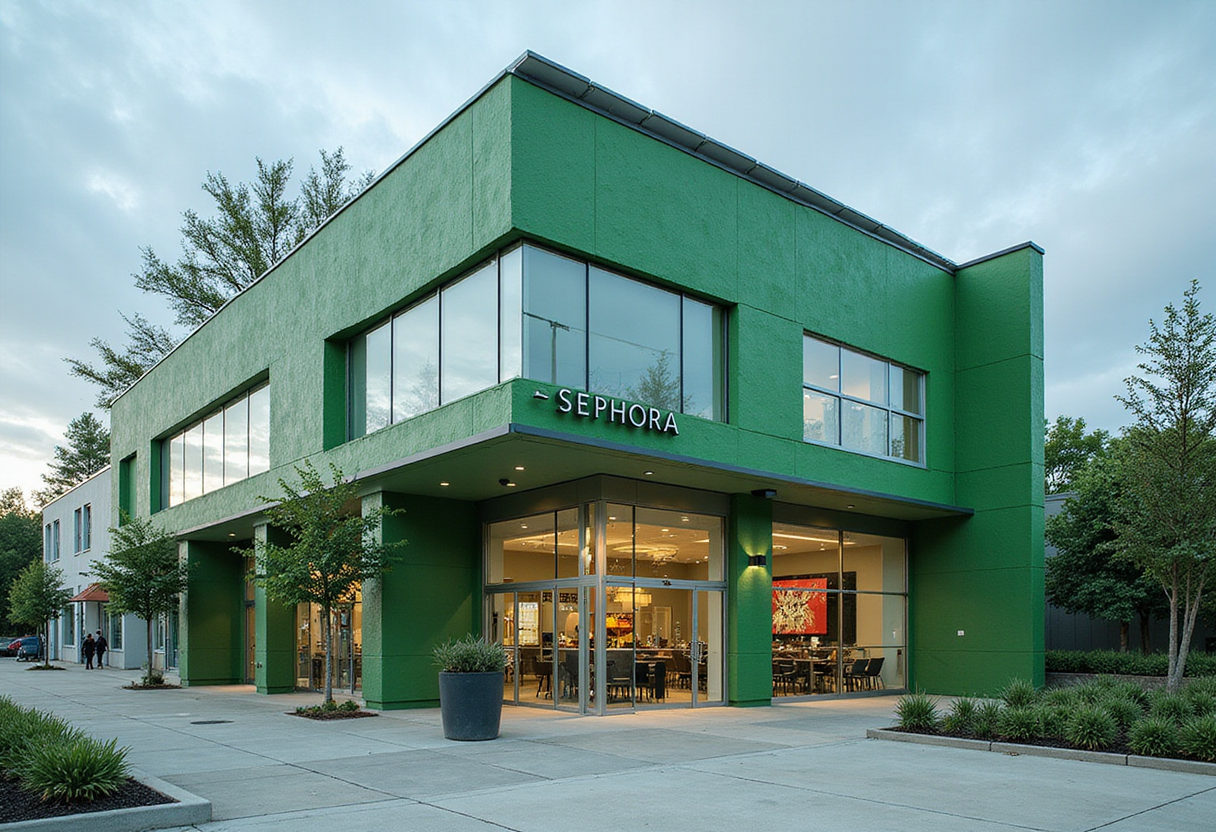
Sephora and an unspecified slate of beauty brand partners have entered scaled plastic recovery operations, according to BeautyMatter reporting.
The headline-level disclosure positions the work as a retailer-anchored initiative rather than a series of unilateral brand commitments. BeautyMatter's available summary does not name participating brands, identify processors, disclose tonnage or specify geographic reach.
What does "scaled" actually mean here?
In packaging-sustainability procurement, "scaled" generally signals post-consumer recovery commitments tied to volume thresholds rather than one-off pilots.
Without a figure attached, the term signals institutional intent rather than measured output. A trade reader should treat any vendor claim of "at scale" without a tonnage number as a category frame, not yet a quantified result.
Why does a retailer-led framework change the calculus?
Pulling participating brands into one recovery stream moves packaging specifications upstream of formula work.
Resin selection, PCR percentages, colorants in recycled-content feedstock and recyclability labeling now concentrate at the platform rather than fragment across each label's sustainability team. That concentration of leverage raises the stakes for any supplier bidding PCR resin, recycled-content colorants or recovery-program marketing services into the Sephora shelf.
What brand and procurement teams should verify
- Which primary packaging resins (PET, HDPE, PP, mixed flexible) sit inside the recovery stream
- How mass-balance certification is handled and audited under the program
- Which party carries enforcement liability under expanding US producer responsibility laws (California, Oregon, Colorado, New York)
- Whether the program interfaces with How2Recycle labeling, APR Design Guide guidance or retailer EcoScore assessments already on shelf
The next data point worth tracking
The first material filing will be either Sephora's aggregate recovery volume disclosure through its corporate sustainability channel or the first participating brand's tonnage report tied to the program.
Until those numbers surface, the BeautyMatter headline reads as an industry frame, not yet a quantified result. Watch next for the participating brand roster and any retailer-level corporate-responsibility filing tied to the program.
via Google News - Cosmetics Sustainability (Source)
More from Amara Osei
Cross-references · Related articles
End of monograph · 2 min read