BATCH-4876 · filed
Fortune puts L'Oréal at center of beauty's sustainability fight
Fortune's latest feature frames L'Oréal as the beauty industry's counterweight to sustainability retreat. We unpack what the giant's continued commitments signal for cosmetic suppliers, formulators and procurement teams this sourcing cycle.
By Marcus Bennett · · 3 min read · 504 words
Composition
- Fortune's feature, headlined "It's no time to go quiet on sustainability. Just ask beauty giant L'Oréal," positions the Paris-based multinational as a sustainability defender against peers dialing back environmental messaging.
- L'Oréal's scale as Europe's largest beauty group means its tender specs on PCR plastic, refillable formats and Scope 3 disclosure tend to anchor category-wide procurement language.
- Q1 and Q2 sourcing cycles at major beauty brands will reveal whether sustainability clauses in RFPs are tightening or quietly relaxing.
- L'Oréal's next ESG or annual report functions as the auditable counterweight to Fortune's editorial framing.
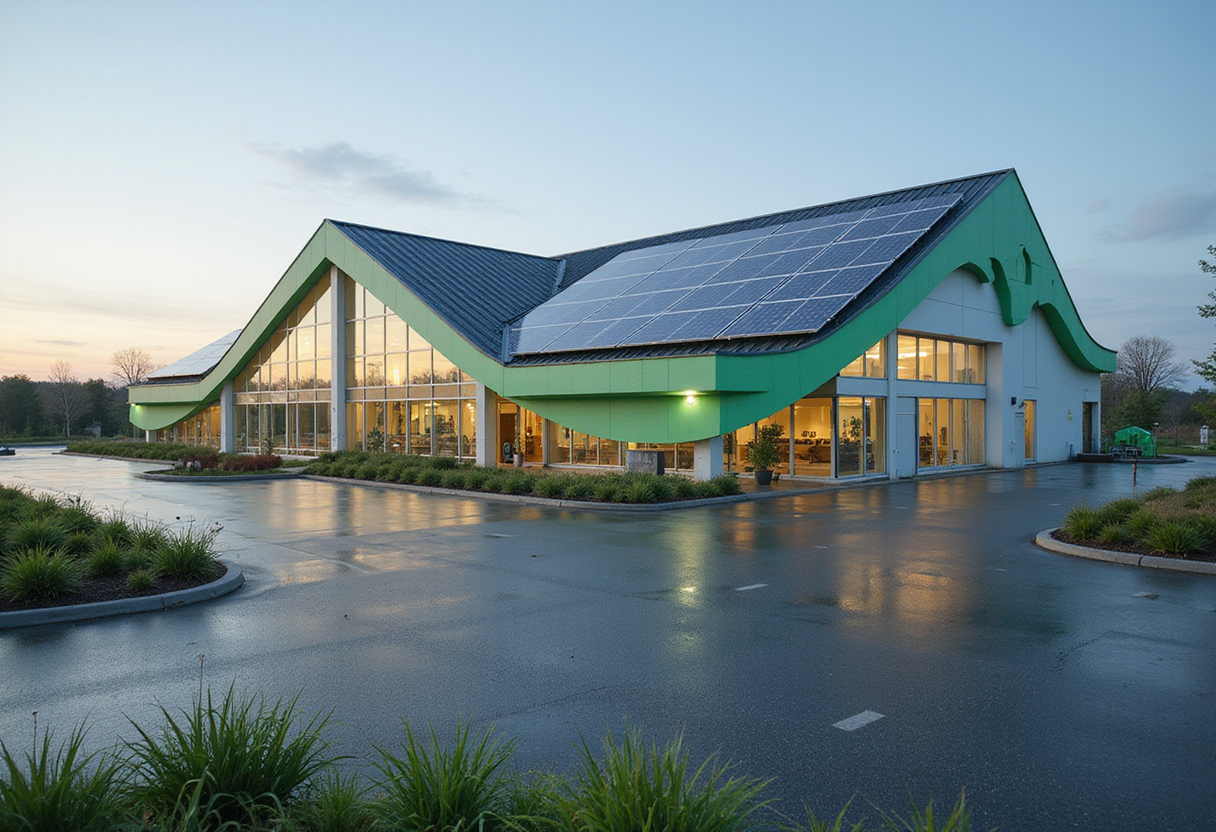
L'Oréal's refusal to soften sustainability messaging sits at the center of Fortune's latest beauty-industry feature, framing Europe's largest beauty company as the counterweight to consumer-goods majors going quiet on environmental commitments.
The publication's headline — "It's no time to go quiet on sustainability. Just ask beauty giant L'Oréal" — singles out the Paris-based multinational at a moment when several consumer-goods peers have dialed back climate language in earnings calls, packaging copy and brand campaigns.
What does L'Oréal's posture signal for cosmetic suppliers and brands?
When a buyer of L'Oréal's scale holds a public line, contract specifications do not loosen. Tender language on certified palm derivatives, post-consumer recycled (PCR) plastic percentages in primary packaging, refillable formats and Scope 3 disclosure tends to stay in — or move higher — across the company's supplier book. Beauty-brand procurement teams that used the recent cost-pressure cycle to renegotiate sustainability clauses downward may find themselves out of step with the category leader.
For ingredient suppliers, the practical implication is a shorter list of "optional" sustainability questions on RFI forms. Carbon-footprint-per-kilogram documentation, water-use intensity in fermentation-derived actives, and biodegradability data on rinse-off polymers are likely to remain baseline asks rather than premium differentiators.
For formulators, the downstream effect runs through marketing colleagues who must hold aesthetic and sensory parity while shrinking a product's environmental footprint. Refillable, waterless and concentrated formats have moved from innovation showcase to mainstream line extensions in major-brand catalogs — a posture Fortune's framing implicitly endorses.
Why does the timing matter?
Three pressures converge in the current cycle:
- Green claims regulation continues to compress the room for unqualified environmental language. EU substantiation rules and parallel US state-level actions keep claim-substantiation workflows crowded for compliance staff.
- Consumer demand has split. Mass-market personal care data shows a price-led segment contracting alongside a still-active sustainability-intent segment — a split L'Oréal's positioning implicitly targets.
- Investor disclosure is now public. Scope 3 supplier reporting under European frameworks has pulled ingredient and packaging carbon data into audited filings, transforming sustainability metrics from marketing copy into disclosure obligations.
What should formulators and brand teams track next?
Three indicators will tell the trade whether the L'Oréal-led posture is hardening or fading. First, tender documentation from major-brand procurement teams across Q1 and Q2 sourcing cycles will show whether sustainability clauses are being held or quietly relaxed. Second, refillable and concentrated format launch cadence will read as a direct proxy for whether commitments are translating into product redesign. Third, reformulation pipelines that swap incumbent polymers or surfactants for lower-impact equivalents with equivalent sensory performance will carry more signal than any press release.
What is the next data point to watch?
L'Oréal's next ESG or annual report will give a measurable read on whether Scope 3 supplier engagement is expanding or contracting. Fortune's headline is framing. The filings are the audit.
via Google News - Cosmetics Sustainability (Source)
More from Marcus Bennett
Show full bio
Correspondent covering consumer brands and retail at INCI File.
105 articles
Cross-references · Related articles
- L'Oréal Partners with Dioxycle on Carbon-Based Packaging
- EU Packaging Overhaul Puts Indie Beauty Compliance in the Spotlight
- L'Oréal Names First Cohort for Sustainable Innovation Program
- Beauty packaging pivots to sustainable and recyclable formats
- L'Oréal targets last-mile refill to scale sustainable beauty
End of monograph · 3 min read