BATCH-3802 · filed
Lipoid Kosmetik adds cascara to upcycled actives slate
Lipoid Kosmetik promotes cascara — the dried husk of the coffee cherry — as a sustainable cosmetic active drawn from existing food-industry supply chains.
By Amara Osei · · 3 min read · 503 words
Composition
- Lipoid Kosmetik is promoting cascara — the dried skin and pulp of the coffee cherry — as a cosmetic-grade active.
- Cascara is a co-product of coffee processing that has already gained visibility in specialty food and beverage applications.
- The relevant INCI entries (Coffea Arabica seedcake and fruit extracts) are already approved for leave-on and rinse-off use in EU and US frameworks.
- Cascara retains residual caffeine, which formulators must address for sensitive or evening-use product targets.
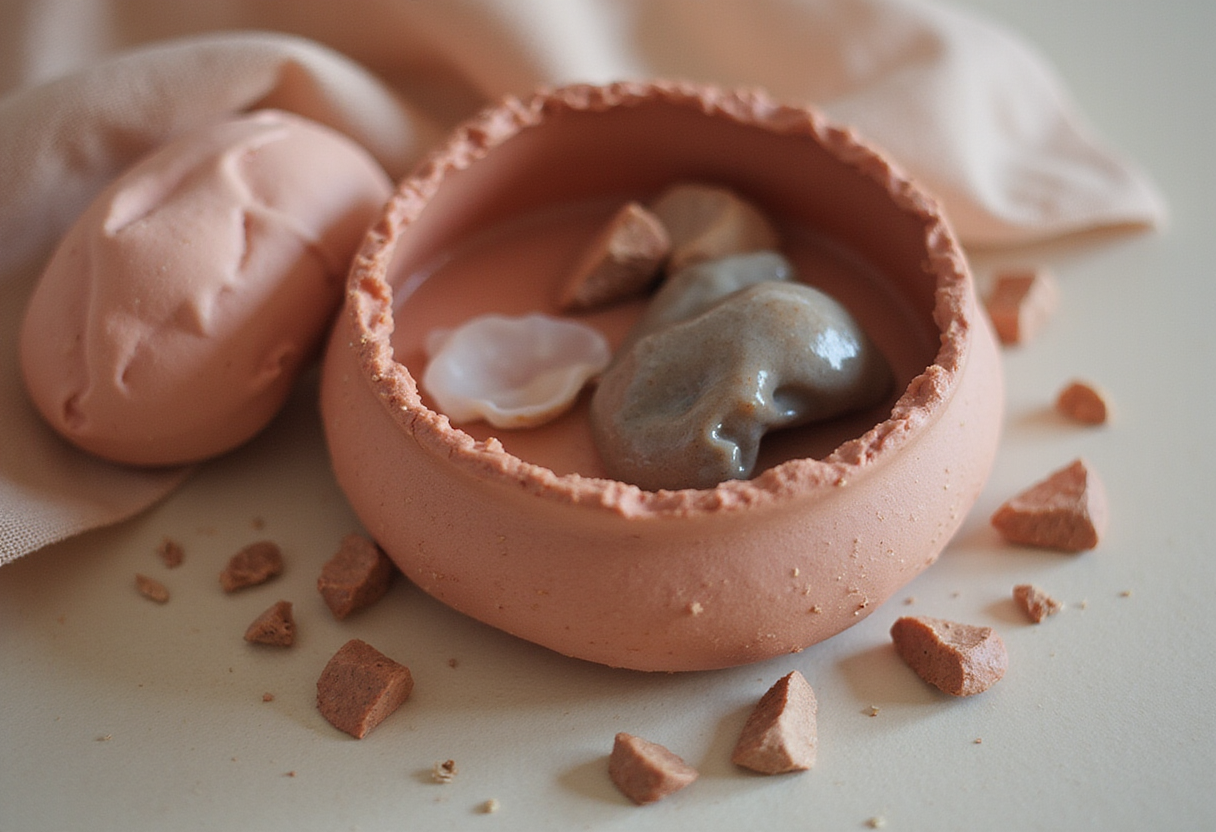
Lipoid Kosmetik, the Swiss supplier of botanical actives for the cosmetics industry, has turned its development pipeline toward cascara — the dried skin and pulp of the coffee cherry — presenting the material as a co-product stream sourced from existing food-industry infrastructure.
The promotion reflects a wider redirection of cosmetic ingredient sourcing toward agricultural residues that already move through established food supply chains. Cascara has built visibility in specialty coffee, baking, and beverage applications over recent years as roasters and cooperatives look to monetize a fraction of the coffee harvest that historically returned to compost or landfill.
What is cascara, and why now?
Cascara is the outer layer of the coffee fruit that separates from the bean during wet or dry processing. It carries a polyphenol fraction — chlorogenic acids, tannins, anthocyanins — whose antioxidant profile the food-science literature has already documented for coffee by-products. For cosmetic chemists, that profile aligns with the protection-oriented claims that have anchored coffee-derived extracts in eye care, anti-pollution serums, and antioxidant skincare for more than a decade.
Lipoid Kosmetik's framing adds a sustainability overlay. Because cascara is a recovery stream rather than a planted crop, the supplier can argue a reduced land-use and water footprint per kilogram of active compared with conventionally cultivated botanicals. That argument lands with brand sustainability teams, who increasingly require documented evidence of upcycled content in raw-material questionnaires.
What does the development signal for formulators?
Upcycled raw materials have shifted from marketing talking point to a tracked procurement category. Brand sustainability roadmaps across major European and North American personal care groups now include upcycled-content targets in their public commitments. A cascara extract — sourced from documented coffee-producing regions and processed to cosmetic-grade specifications — offers formulators a way to meet those targets while staying inside a polyphenol and antioxidant narrative their customers already recognize.
For compliance teams, the relevant INCI will depend on the upstream processing step. Cascara-derived entries already cleared for cosmetic use include Coffee Arabica seedcake and fruit-extract listings, both acceptable in EU and US frameworks for leave-on and rinse-off applications. Natural-certification schemes (COSMOS, Ecocert, Natrue) will require confirmation of the extraction solvent and the share of organic-certified feedstock, because upcycling status does not automatically translate into natural-certification credit.
Caffeine residue is a separate watch-point. Cascara retains a measurable caffeine fraction after processing, and formulators targeting sensitive demographics or evening-use protocols will need to specify low-caffeine or decaffeinated grades, which established coffee-ingredient suppliers already produce across the category.
What to watch next
The next data points worth tracking are Lipoid Kosmetik's published specification sheet — extraction yield per ton of cascara feedstock, the antioxidant marker concentration, and the documentation of the cooperative sourcing model — and the publication of peer-reviewed efficacy data on cascara extracts in cosmetic matrices. Until skin-specific clinical evidence lands, marketing claims will rest on the food-industry heritage and the upcycling narrative rather than on cosmetic efficacy endpoints.
via Google News - Cosmetic Ingredient (Source)
More from Amara Osei
Cross-references · Related articles
- Lipoid Kosmetik launches natural depigmentation active
- From Farm to Face: Food-Based Actives Reshape Sustainable Cosmetic Formulation
- Estonian startup ÄIO brings fermentation-derived oils to cosmetics with tilk! launch
- Mane Kancor Wins Sustainability Recognition at Spice Conference 2026
- C16 Biosciences builds palm-free beauty toolkit with biotech trio
End of monograph · 3 min read