BATCH-9964 · filed
Estonian startup ÄIO brings fermentation-derived oils to cosmetics with tilk! launch
Estonian startup ÄIO launches fermentation-derived oils in cosmetics under the tilk! brand, opening a bioreactor-based supply route for beauty lipids.
By Marcus Bennett · · 3 min read · 613 words
Composition
- Estonian startup ÄIO has launched fermentation-derived oils in cosmetics under the tilk! brand
- The oils are produced by microorganisms via fermentation rather than extracted from crops or animals
- The launch extends ÄIO's platform beyond food into personal care, reported by ArcticStartup
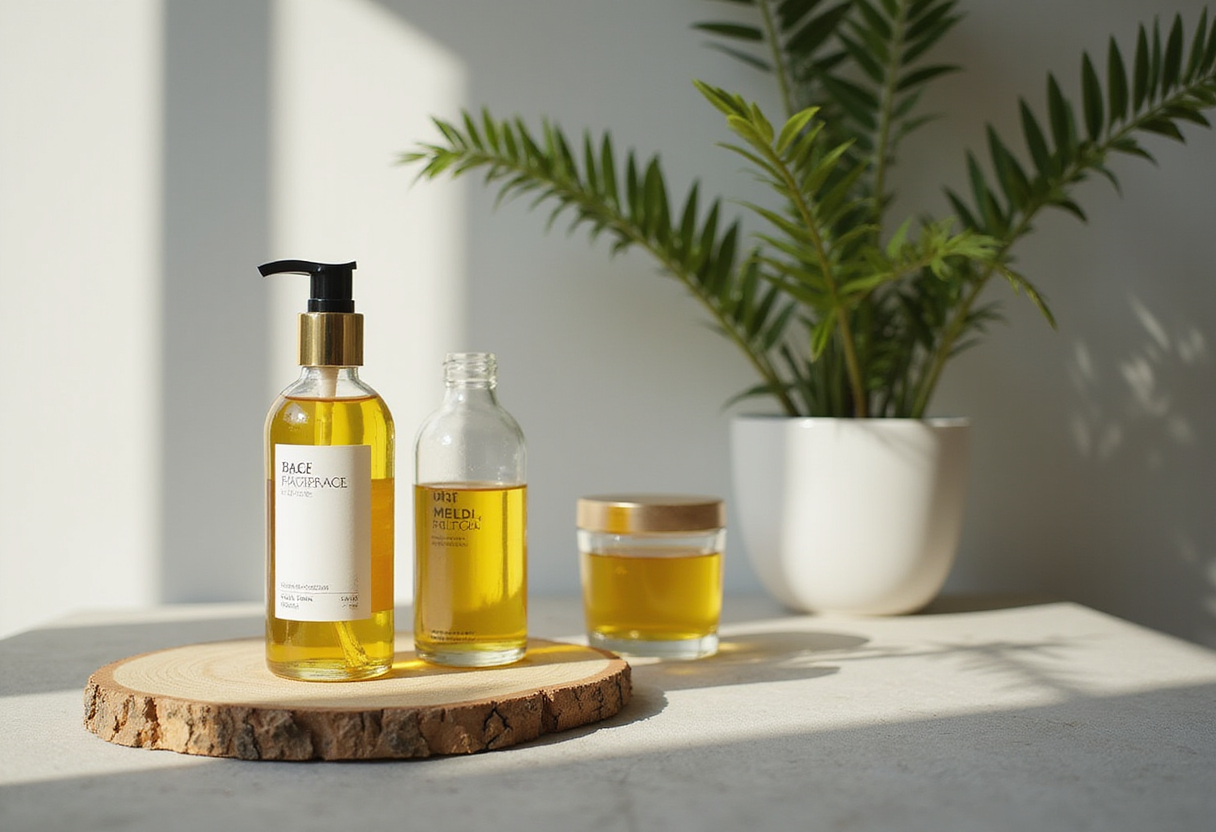
Estonian startup ÄIO has moved into cosmetics with a breakthrough launch of fermentation-derived oils under the tilk! brand, marking one of the first commercial appearances of its microbial oil platform in a personal care product line.
For formulators and ingredient buyers, the significance is the production route rather than the brand itself. Fermentation-derived oils are produced by microorganisms in bioreactors rather than extracted from plants, farmed fields or animal sources. That opens a supply profile that is independent of harvest cycles, arable land use and much of the price volatility that haunts plant-derived lipids such as olive, almond or coconut oil fractions.
Why the production route matters to buyers
ÄIO, based in Estonia, built its technology around precision fermentation — feeding microorganisms and harvesting the oils they produce. The company's move into cosmetics through the tilk! launch signals a second vertical for the platform, following earlier work associated with food applications.
For procurement teams, fermentation-derived lipids sit in a growing category alongside ingredients from players such as C16 Biosciences and other cultivated-oil developers. The proposition is consistent output with a defined compositional profile: batch-to-batch consistency, traceability and a lower agricultural footprint. Whether ÄIO will supply other brands as an ingredients house, or keep its oils exclusive to tilk!, is the commercial question that will shape its relevance to the wider market.
What it means for product development
Oils produced via fermentation can be engineered toward specific fatty acid distributions, which matters for emollient performance, oxidative stability and sensory feel. If ÄIO's microbial oils reach the ingredients market at scale, formulators could gain access to lipids whose profile is set by strain selection rather than by crop geography or weather.
The INCI designation for the oils — and the corresponding regulatory status in target markets — will be the first checkpoint for any brand considering the ingredients. Fermentation-derived ingredients generally clear familiar regulatory gates when the output molecule matches a known substance, but the specifics for ÄIO's oils remain to be documented publicly.
The Baltic biotech context
Estonia has built a visible startup ecosystem, and ÄIO belongs to a cluster of Baltic and Nordic companies pushing fermentation as a manufacturing platform. The tilk! launch, reported by ArcticStartup, positions the company among the small but growing set of European players attempting to commercialise microbial oils in categories beyond food — a path already trodden in the US, where cultivated palm-alternative and squalene-like oils have attracted beauty industry attention.
Squalene and squalane supply illustrates the precedent. Sugarcane-derived squalane displaced shark-derived material across the global market after Amyris and others scaled fermentation routes. A similar substitution dynamic could apply to other lipid ingredients if microbial producers reach comparable cost and volume.
Compliance and sourcing angles
For brands weighing such ingredients, the workload sits in three places: confirming the INCI name and CAS alignment, verifying that the fermentation process and downstream purification meet cosmetic-grade standards, and — for marketing claims — substantiating any sustainability narrative against EU Green Claims-style scrutiny.
Natural-origin certification may also apply. Fermentation-derived ingredients frequently qualify for COSMOS-accepted processes, which can matter for brands formulating to natural standards.
What to watch next
The immediate data points for the trade are concrete: the tilk! product range and its INCI labelling, any announcement of ÄIO supplying third-party cosmetic brands, and evidence of production scale in litres or tonnes from its Estonian facilities. Watch for ingredient listings on tilk! packaging and any forthcoming distribution or partnership announcements from ÄIO — those filings and deals will reveal whether this is a niche consumer launch or the entry point of a new European cosmetic-ingredient supplier.
via Google News - Cosmetic Formulation (Source)
More from Marcus Bennett
Show full bio
Correspondent covering consumer brands and retail at INCI File.
106 articles
Cross-references · Related articles
- Abolis Biotechnologies launches platform for microbial cosmetic ingredients
- ÄIO lands €2m Estonian grant for precision-fermented cosmetic oils
- Biotech and Waste Feedstocks Redefine Circular Cosmetic Ingredients
- C16 Biosciences builds palm-free beauty toolkit with biotech trio
- Biotech steadies beauty's ingredient supply chain — what it means for formulators
End of monograph · 3 min read