BATCH-8249 · filed
Biotech and Waste Feedstocks Redefine Circular Cosmetic Ingredients
A Personal Care Insights feature maps how waste feedstocks and biotech converge into circular cosmetic ingredient pipelines, and what the structural shift means for R&D, compliance and procurement teams.
By Rebecca Stone · · 3 min read · 574 words
Composition
- Personal Care Insights published the analysis as a feature on circular cosmetic ingredient pipelines
- The piece centres on the pairing of waste feedstocks with fermentation, enzymatic and synthetic-biology platforms
- Procurement is increasingly factoring ECOCERT, COSMOS, NATRUE and ISO 16128 standards into feed qualification
- Brands operating Scope 3 and SBTi-aligned targets are reshaping supplier scorecards around mass-balance verification
- Forthcoming watch-points include FDA or EFSA no-objection letters on fermentation-derived INCI entries and circular mass-balance certification schemes
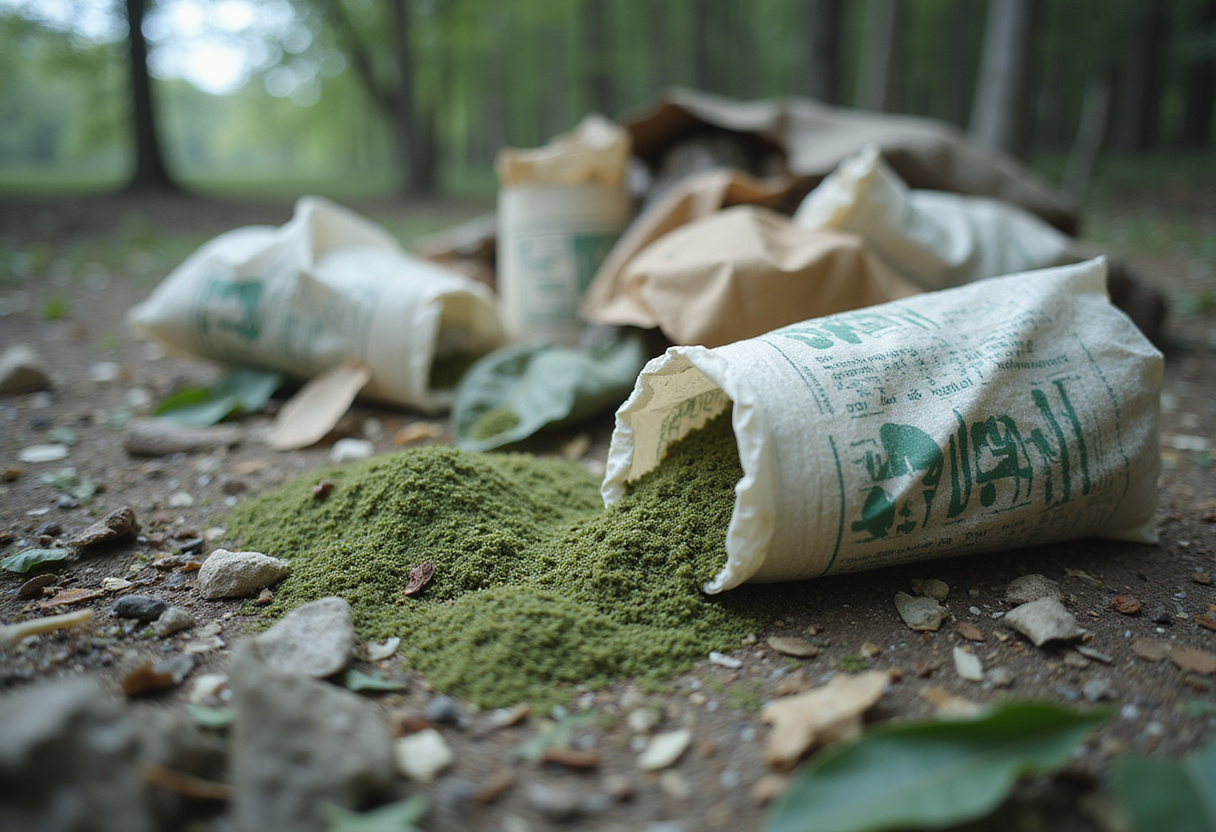
A Personal Care Insights feature frames the convergence of waste feedstocks and biotechnology as a structural shift in cosmetic ingredient sourcing, with implications for R&D briefs, compliance dossiers and procurement scorecards.
The piece — titled "How waste feedstocks and biotech create circular cosmetic ingredients" — argues that pairing residue valorisation with fermentation, enzymatic conversion and synthetic biology has moved from lab demonstration to early commercial scale across the personal-care value chain.
What changes in the formulation brief?
For R&D leads, the central question is feedstock qualification. A cosmetic-grade output needs more than a feedstock pilot demonstration; it requires specification on impurity profiles, residual solvents, allergen mapping and regulatory clearance against the standards procurement teams already screen for: ECOCERT, COSMOS, NATRUE, the ISO 16128 natural-origin index, and the relevant national regimes covering the EU, US, Brazil and the ASEAN bloc.
Biotech routes compress supply chains once anchored in single-purpose crop cultivation or animal-derived sources. A microbial or enzymatic process fed on a sugar stream, a lipid residue, a dairy permeate or a captured industrial CO₂ stream can decouple ingredient output from arable land, weather cycles and the seasonal price volatility that pressures plant-derived actives such as squalane, hyaluronic acid, biosurfactants and selected amino-acid derivatives.
What should procurement teams weigh?
The trade-off sits in compliance workload. Demonstration of substantial equivalence to a conventional counterpart, environmental safety data generated against OECD test guidelines, and lifecycle inventory accounting become baseline supplier requirements rather than competitive differentiators. Brands that fold those datasets into their supplier scorecards earlier will shorten the distance between lab-scale fermentation run and finished-product dossier.
Material-sourcing teams should also read the piece as a procurement signal. Suppliers operating a circular feedstock model — particularly those publishing verified mass-balance data — will increasingly align with brand-level Scope 3 commitments and the Science Based Targets initiative's net-zero pathways. Conversely, formulators locked into single-source botanical supply without a circular alternative will face harder questions during corporate-sustainability reviews.
What should buyers ask before signing off?
Three screening questions surface from the editorial framing:
- Which waste stream the supplier operates against, and whether that stream has competing end-uses in food, feed, bioenergy or materials that could re-price feedstock access on the open market.
- Whether the process is a precision-fermentation route, an enzymatic-biocatalysis route or a cell-free system, since the three carry materially different capex profiles and scale-up risk.
- Whether the resulting INCI name matches a long-established conventional entry, opening a simple substitute pathway, or whether it sits in a newer nomenclature category that requires an EU CosIng check, a US INN assignment, or a China NMPA pre-marketing notification.
The downstream treatment menu does not shift directly — finished efficacy and skin-feel profiles still drive claim substantiation. The upstream screening menu does: ingredient briefs in 2025 increasingly require a sustainability data sheet alongside the technical and regulatory ones.
What to watch next?
The data points most likely to move this category from pilot to standard practice are a published carbon-footprint comparison between a biotech-derived incumbent and its conventional counterpart across a full manufacturing cycle; the first FDA or EFSA no-objection letter covering a fermentation-derived INCI entry produced from a previously waste-coded feedstock; and a third-party certification scheme that explicitly grades cosmetic raw materials on circular mass-balance criteria rather than on origin alone.
via Google News - Cosmetic Ingredient (Source)
More from Rebecca Stone
Show full bio
Staff writer covering industry trends and analytics at INCI File.
91 articles
Cross-references · Related articles
- Zero-Waste Beauty Biotech Steps Out of Pilot Phase Into Mainstream
- Biotech Opens a New Ingredient Class for Personal Care Formulators
- Abolis Biotechnologies launches platform for microbial cosmetic ingredients
- Biotech steadies beauty's ingredient supply chain — what it means for formulators
- From Farm to Face: Food-Based Actives Reshape Sustainable Cosmetic Formulation
End of monograph · 3 min read