Filed
Puig Buys Parfums de Marly and Initio in €1.2 Billion Niche Fragrance Deal
Puig pays €1.2 billion in cash for Advent's 75% stake in Artessence, the group behind Parfums de Marly and Initio, targeting $420-440M revenue in FY 2026-27.
By James Calloway · · 4 min read · 734 words
Composition
- Puig acquires 75% of Artessence Group, owner of Parfums de Marly and Initio, from Advent International for €1.2 billion in cash.
- Artessence expects $420-440 million revenue and $180-190 million EBITDA in the fiscal year ending March 31, 2027.
- Parfums de Marly operates around 25 stores and 1,000 points of sale globally.
- Earn-out terms plus put and call options give Puig a path to 100% ownership of Sprecher's remaining 25% stake.
- The deal follows Puig's October Capital Markets Day, where the group set objectives to scale its niche portfolio including Byredo and Penhaligon's.
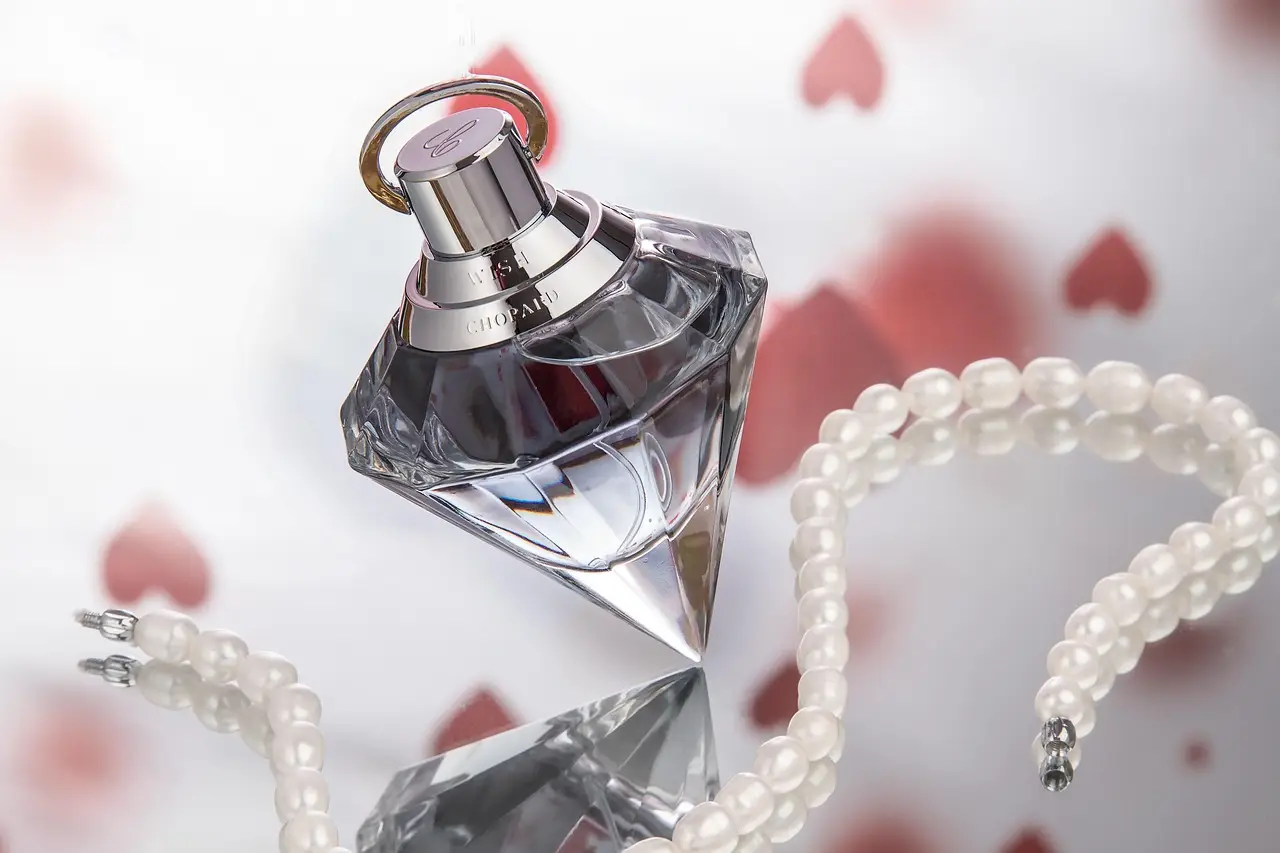
Puig has agreed to pay €1.2 billion in cash for a 75% stake in Artessence Group, the holding company behind Parfums de Marly and Initio Parfums Privés, the Barcelona-based beauty and fashion conglomerate announced on Friday. Advent International, the private equity firm that bought into the business in 2023, is the seller. The price implies a full valuation of roughly €1.6 billion for a house generating, per the press release, around $420-440 million in revenues and $180-190 million in EBITDA for the fiscal year ending March 31, 2027 — a margin north of 40% and a multiple well above what mainstream fragrance assets command.
What does the deal change for Puig?
Puig acquires two established niche houses with a real retail footprint. Parfums de Marly, founded by Julien Sprecher in 2009, counts around 25 stores and 1,000 points of sale globally, with an established position in North America. Patrice Béliard, who joined Artessence as CEO in October 2025 from The Estée Lauder Companies, stays with the business.
CEO Jose Manuel Albesa set out the logic plainly. "Niche fragrances offer one of the most attractive opportunities within our core fragrance business," he said in a statement. "Parfums de Marly brings meaningful growth and an established position in North America, while Initio is a distinctive brand with significant potential ahead."
The acquisition folds two more brands into a niche portfolio Puig had already flagged for expansion — Byredo, Penhaligon's, L'Artisan Parfumeur and Dries Van Noten. At its October Capital Markets Day, the group set formal objectives to scale that portfolio. "Niche is no longer niche," said Thomas James, president of niche brands and wellness brands at Puig. That sentence is the strategy.
For procurement and distribution partners, the shift matters: a Puig-owned Parfums de Marly will sit inside the same machinery that pushes Charlotte Tilbury and Rabanne, with access to the group's travel-retail and selective-distribution muscle. For competitors — Estée Lauder, L'Oréal, Interparfums — it removes one of the last independent premium assets of scale from the market.
How is the deal structured?
Sprecher keeps skin in the game. A holding structure he established retains the remaining 25% of Artessence, and the parties agreed an earn-out based on future performance, plus put and call options over his stake. That provides a pathway for Puig to reach 100% ownership over time.
Sprecher, who sold his majority to Advent in 2023 and remained creative director and minority shareholder, framed the choice as cultural. "Puig shares our belief in the power of distinctive brands and long-term brand building," he said. "I am delighted to have the opportunity to continue this journey with a family company that understands fragrance deeply and respects the entrepreneurial and creative culture that has brought us this far."
Executive chairman Marc Puig kept the financial framing tight. "This transaction reflects our selective approach to M&A: we invest in attractive brands with a strong strategic fit that complement our organic growth, while preserving our financial flexibility," he said.
What sits behind the move?
The purchase follows a stated ambition. At the Capital Markets Day in October, Puig signaled openness to external growth. "We count on M&A to accelerate our growth," Albesa said then. Friday's statement tied the acquisition to the group's Vision 2032 ambition — in Albesa's words, "to scale what works profitably" — and to reinforcing the core fragrance business rather than diversifying away from it.
Albesa also addressed the integration risk that haunts niche acquisitions: dilution of brand identity. He committed to "preserving the creativity and uniqueness of each of our brands" while supporting the growth of each fragrance house. Practitioners will watch that claim against the fate of niche houses absorbed by larger groups, where creative autonomy erodes as distribution widens.
What comes next?
Three data points deserve attention. First, the FY 2026-27 results through March 31, 2027 — the €1.2 billion price rests on the $420-440 million revenue and $180-190 million EBITDA projections, and any shortfall tests the earn-out mechanism. Second, the pace at which Puig exercises its options over Sprecher's 25% stake will signal how quickly full consolidation follows. Third, watch whether Puig's remaining niche houses, from Byredo to Penhaligon's, gain the expanded retail and travel footprint that Parfums de Marly's 1,000 doors now provide the platform for.
via vogue.com (Source)
More from James Calloway
Show full bio
Senior reporter covering money, funding and market shifts around professional skincare and cosmetics industry at INCI File.
152 articles
Cross-references · Related articles
- Puig nears Parfums de Marly deal; source cites under €2 billion
- Puig Targets €8bn Revenue by 2032 with Vision 2032 Plan
- Puig sets 2032 Uriage target and €1bn dermocosmetics platform plan
- Bogart sells Israeli unit to CEO Konckier's holding
- Guillaume Gellusseau takes charge of Kilian Paris and Frédéric Malle
End of monograph · 4 min read