BATCH-1512 · filed
Nigeria Ends Raw Cocoa Exports, Hitting Beauty Supply Chains
Nigeria has ended raw cocoa exports, forcing formulators and buyers to requalify cocoa butter sources as processing shifts in-country and supply routes reorganize.
By Amara Osei · · 3 min read · 652 words
Composition
- Nigeria has ended exports of raw, unprocessed cocoa, BeautyMatter reports.
- Processing capacity must now sit inside Nigeria or buyers must source processed cocoa butter directly from Nigerian processors.
- INCI names such as Theobroma Cacao Seed Butter are unchanged; the impact falls on sourcing, supplier qualification and traceability documentation.
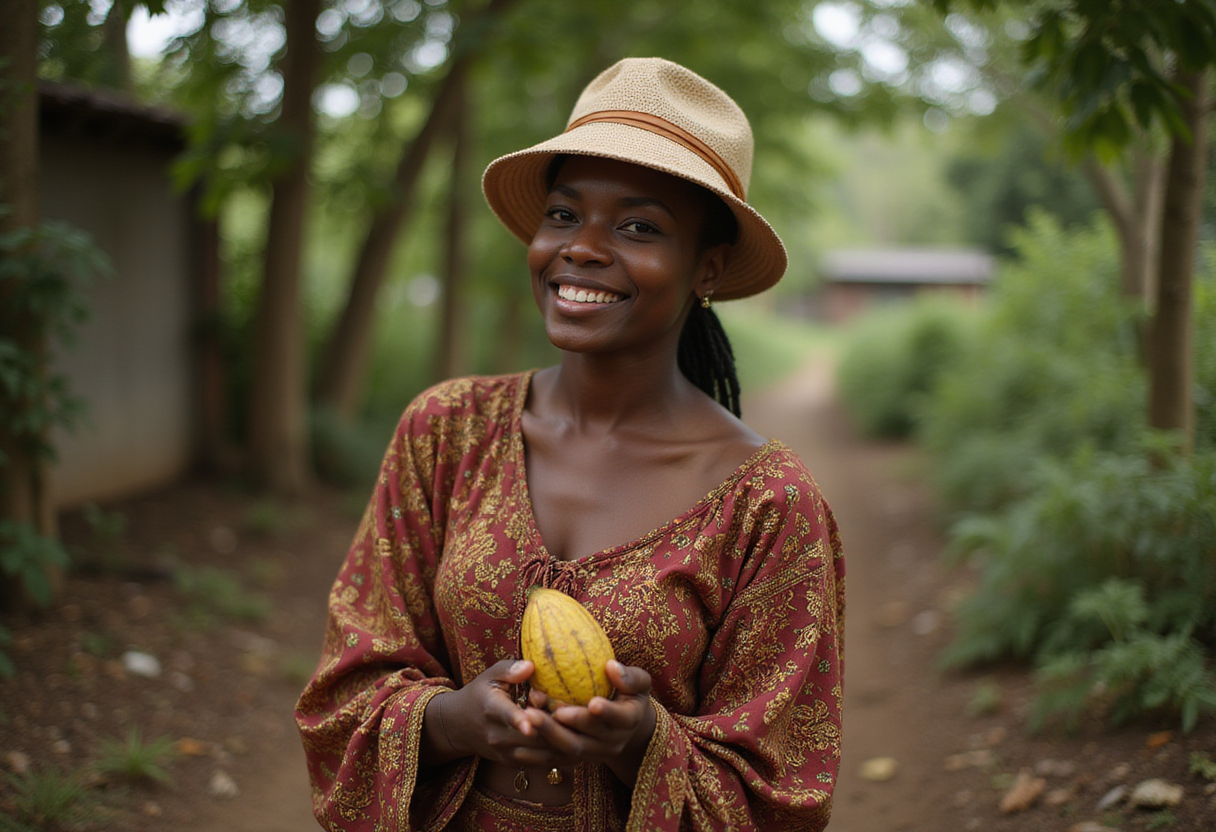
Nigeria has ended raw cocoa exports, a policy shift that BeautyMatter reports will reshape beauty ingredient supply chains and force formulators and procurement teams to rethink how they source cocoa-derived inputs.
The decision targets the export of unprocessed cocoa. For the personal care industry, the implications are immediate for anyone buying cocoa butter, cocoa powder residues and related lipid fractions that enter cosmetic formulations under INCI names such as Theobroma Cacao (Cocoa) Seed Butter and Theobroma Cacao (Cocoa) Extract.
Until now, buyers sourcing cocoa butter and cocoa-derived actives could procure from processors grinding Nigerian beans in Europe, Asia or the Americas, or from Nigerian exporters shipping raw material abroad for processing. If raw beans no longer leave Nigeria, the grinding, pressing and refining capacity has to sit inside the country — or buyers have to secure processed material from Nigerian processors directly.
That is the core procurement question. Cocoa butter is a workhorse ingredient across body care, lip care, bar soaps and hair conditioning products, valued for its fatty acid profile and occlusive performance. Any constraint on where the raw material can be processed changes lead times, supplier qualification workload and, depending on how domestic Nigerian processing capacity scales, price.
For formulators, the practical issues are familiar ones. Cocoa butter from a new origin processor can differ in hardness, color and odor profile depending on bean variety and processing conditions. Specifications, supplier audits and certificate of analysis reviews will need refreshing. Any reformulation work — adjusting butter blends or compensating for hardness shifts with other lipids — adds development time before finished goods reach shelves.
For regulatory and compliance teams, the change is less about INCI labeling and more about supply chain documentation. The INCI names do not change. What changes is the chain of custody: where the material was processed, under what conditions, and whether new processors can meet the quality systems global cosmetic manufacturers require. Buyer audits, impurity profiles and traceability documentation all get re-examined when the processing origin shifts.
For brands marketing cocoa-based treatments — body butters, nourishing balms, stretch mark creams and similar — the sourcing story also changes on the marketing side. Ingredients processed at origin can support narratives around local value addition, and Nigeria is positioning the policy in exactly those terms. Salons and treatment providers with cocoa-based services on their menus may see suppliers adjust both pricing and the provenance claims attached to their bulk materials.
The wider context matters. Nigeria is one of the world's significant cocoa producers, and the move mirrors a broader trend among producing countries to capture more value from raw materials before export rather than ship unprocessed agricultural output. Beauty is not the largest consumer of global cocoa — food and confectionery dominate — but cosmetic-grade cocoa butter commands premium pricing, and processors building Nigerian capacity will be watching whether cosmetic-grade quality can be achieved at volume.
For procurement teams, the near-term playbook is straightforward. Audit current exposure: how much of your cocoa butter and cocoa extract volume traces back to Nigerian raw material? Engage with existing suppliers to understand whether their Nigerian-sourced material will now come from in-country processing. Qualify alternative origins — Ghana, Côte d'Ivoire, Ecuador and others remain major cocoa processors — before any supply gap appears.
The risk is not an ingredient shortage in the strict sense. Cocoa butter will remain available globally. The risk is transition friction: a period where Nigerian processing capacity ramps up, established trade routes reorganize, and spot pricing for processed cocoa products moves on the disruption.
What to watch next: how quickly Nigerian domestic processing capacity scales, which processors secure cosmetic-grade certifications, and whether other cocoa-producing countries follow with similar raw export restrictions. BeautyMatter's reporting frames this as a supply chain reshaping rather than a disruption — buyers and formulators should treat the coming months as the window to requalify sources before the market fully adjusts.
via Google News - Cosmetic Ingredient (Source)
More from Amara Osei
Cross-references · Related articles
- WSO Launches Sustainable Cosmetics Certification in Ghana
- Biotech and Waste Feedstocks Redefine Circular Cosmetic Ingredients
- C16 Biosciences builds palm-free beauty toolkit with biotech trio
- Estonian startup ÄIO brings fermentation-derived oils to cosmetics with tilk! launch
- From Farm to Face: Food-Based Actives Reshape Sustainable Cosmetic Formulation
End of monograph · 3 min read