Filed
Mind-Skin Axis Takes Center Stage in Neurocosmetics Innovation
Cosmetics & Toiletries maps the mind-skin axis as a formulation target, urging substantiated neurocosmetic claims built on stress biology and defined endpoints.
By James Calloway · · 2 min read · 369 words
Composition
- Cosmetics & Toiletries published a feature on stress-smart innovation in neurocosmetics
- The article centers on the mind-skin connection as a biological driver of skin condition
- Stress biology is framed as a design principle for active selection and claims substantiation
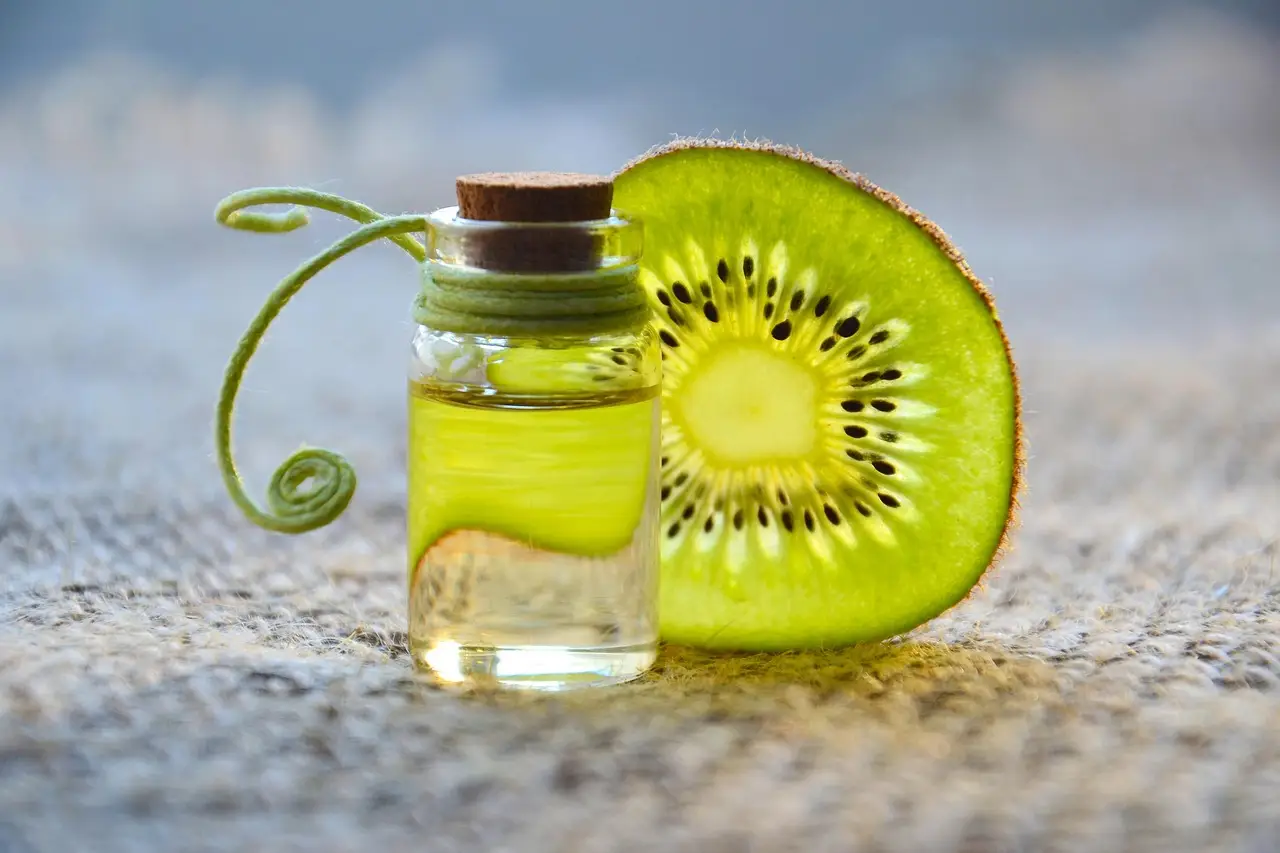
The mind-skin connection has moved from fringe concept to formulation brief, and Cosmetics & Toiletries has now dedicated an in-depth feature to what it calls stress-smart innovation in neurocosmetics.
The piece frames a biological argument formulators will recognize: psychological stress is not merely a lifestyle variable but a measurable driver of skin condition, and ingredients that intervene in that signaling pathway represent a distinct product development lane.
Why the mind-skin axis matters now
The term neurocosmetics covers actives intended to interact with the skin's nervous system connections — cutaneous nerve endings, neurotransmitter receptors and neuroimmune signaling. The Cosmetics & Toileties feature positions stress as the central mechanism linking the brain and the skin barrier, and argues that this linkage deserves a place in claims development, not only in marketing narrative.
For product teams, the implication is direct. Efficacy testing protocols increasingly need to capture stress-related endpoints — barrier recovery, cortisol markers where locally regulated, inflammatory response — rather than hydration and wrinkle metrics alone.
What does this change for development?
The feature's core argument is that stress-smart products should be designed around the biology of the stress response in skin tissue, which changes several practical decisions:
-
Active selection. Candidates must show a plausible mechanism of action on neurogenic inflammation or stress-mediated barrier disruption, not just a calming consumer perception.
-
Claims architecture. Substantiation requirements tighten as neurocosmetic claims grow more specific. Formulators should expect reviewers and regulators to ask for the mechanistic bridge between ingredient and outcome.
-
Test design. Induced-stress models, whether environmental or psychological, give cleaner readouts than baseline measurements on unstressed subjects.
The commercial logic
Interest in neurocosmetics follows consumer demand for products that address stress visibly and measurably. The trade audience reads this as a procurement signal: suppliers investing in neuro-active ingredients and the accompanying study dossiers will differentiate, while brands without substantiated mechanisms will find the category crowded and hard to defend.
The takeaway for practitioners is straightforward. The category rewards those who treat the skin-brain pathway as a formulation target with defined endpoints, and who build the evidence file accordingly.
Watch for supplier study data on stress-response markers to become the next competitive benchmark in this segment.
via Google News - Cosmetics Regulation (Source)
More from James Calloway
Show full bio
Senior reporter covering money, funding and market shifts around professional skincare and cosmetics industry at INCI File.
150 articles
Cross-references · Related articles
- Well-Being Demands Push Neurocosmetics Onto the In-cosmetics Agenda
- Clinique Targets Uber-Sensitive Skin With Daily Calm Line
- Skinspan pushes APAC beauty past anti-ageing, Mintel data shows
- IMCD to showcase skincare–aesthetics crossover at in-cosmetics Global 2026
- SkinMedica Rolls Out Two Barrier-Support Products for Summer
End of monograph · 2 min read