Filed
Microbiome Respect label puts cosmetic formulas to in vitro test
Cosmetic formulations can now undergo in vitro evaluation under the Microbiome Respect label, giving brands protocol-backed proof for microbiome-friendly claims and earlier screening in development.
By Marcus Bennett · · 2 min read · 405 words
Composition
- Cosmetic formulations are evaluated in vitro under the Microbiome Respect label.
- The label provides protocol-based substantiation for microbiome-friendly claims.
- In vitro methods allow screening at earlier development stages than human trials.
- The certification serves as a procurement and supplier specification filter.
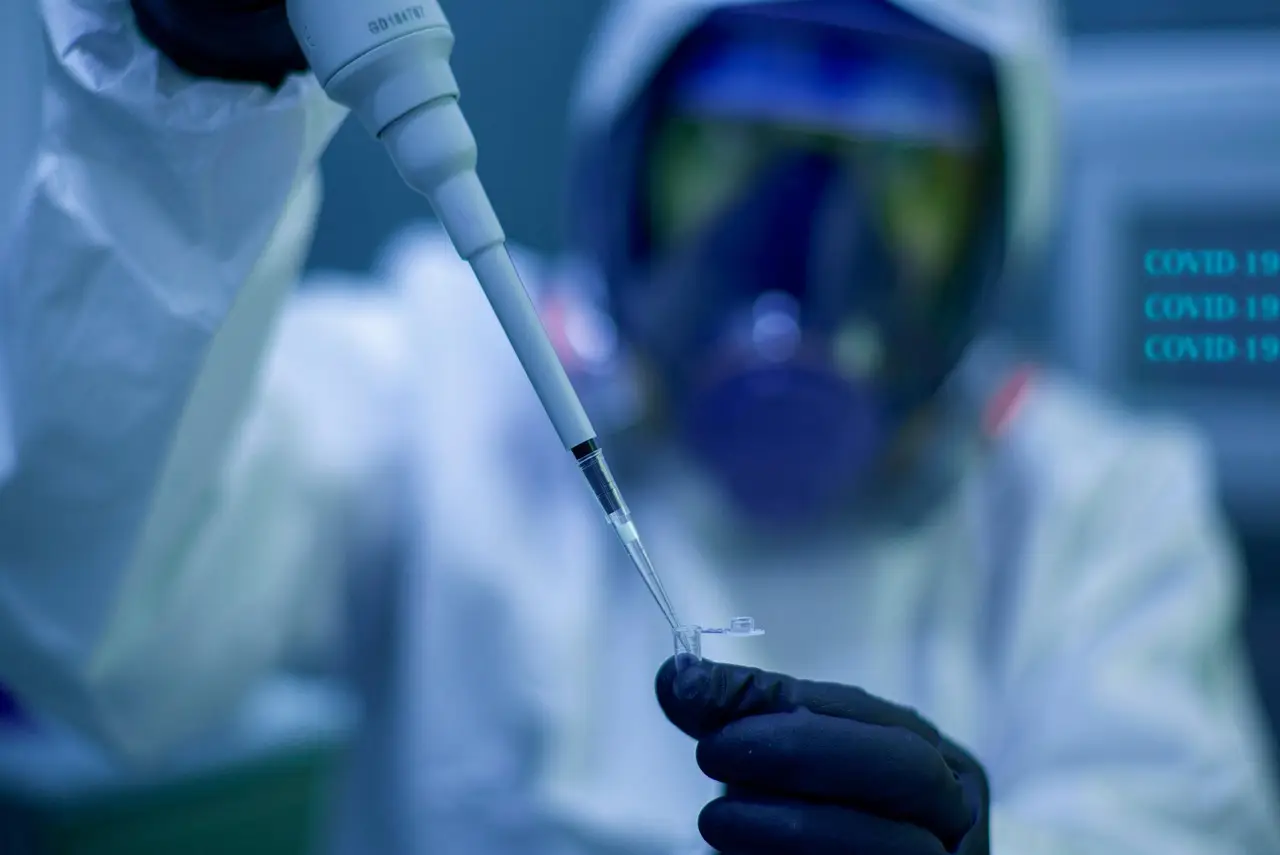
Cosmetic formulations can now be evaluated in vitro under the Microbiome Respect label, a certification route that gives brands a documented basis for microbiome-friendly positioning without relying on human-panel testing alone.
The label, reported by Industries Cosmétiques, applies in vitro methods to assess how a finished formulation interacts with skin-resident microorganisms. That is the core mechanism: the product meets the test system in the laboratory, and the label rests on what the assay shows.
What does the label actually measure?
In vitro evaluation places the formulation in a controlled environment with microbial material. Assessors observe whether the product disrupts, leaves untouched, or supports the microorganisms under examination. A formulation that passes can carry the Microbiome Respect designation; one that fails cannot.
For formulators, this matters because the skin microbiome has moved from marketing vocabulary to a measurable parameter. Claims built on the word "microbiome-friendly" increasingly need substantiation. A label backed by a defined in vitro protocol converts a soft claim into a testable one.
Why does in vitro evaluation change the workflow?
Lab-based methods shorten the path from bench to claim. Human trials cost more, take longer, and raise recruitment questions. An in vitro assay runs faster and earlier in development, which means formulators can screen candidates before committing to full stability and compatibility programs.
The practical implications for product development:
- Claims substantiation gains a documented, protocol-based anchor.
- Screening can happen at earlier development stages.
- Failed candidates surface before expensive downstream testing.
- Procurement can request the label as a supplier specification.
Each point reduces either cost or risk. That is the working logic of any certification scheme, and this one follows it.
What does it mean for compliance and procurement?
Regulators have not mandated microbiome testing, but claim substantiation rules already bind the sector. European cosmetic regulation requires that claims be supported by adequate evidence. A label with a defined in vitro method supplies exactly that kind of evidence file.
For buyers and brand owners, the label functions as a procurement filter. Suppliers who hold it have already run the evaluation; those who do not must either test or drop the claim. SPA and treatment menus gain a verifiable descriptor rather than an unverifiable adjective.
What comes next?
The number of certified formulations, and the names of the first suppliers to carry the label, form the next data points to watch as the scheme moves from announcement to adoption.
via Google News - Cosmetic Formulation (Source)
More from Marcus Bennett
Show full bio
Correspondent covering companies, deals and strategy in professional skincare and cosmetics industry at INCI File.
174 articles
Cross-references · Related articles
- Wiley Review Pressures 'Microbiome-Friendly' Cosmetic Claim Category
- Microbiology specialist warns brands over hidden recall triggers
- MSL Solution Providers calls for smarter challenge testing
- Polish researchers unveil microcapsules that keep probiotics alive in cosmetics
- Biotechnology redraws the beauty supply chain
End of monograph · 2 min read