BATCH-1920 · filed
Microbiology specialist warns brands over hidden recall triggers
A leading microbiology specialist is urging cosmetics brands to reinforce contamination defences before hidden microbial risks trigger costly recalls.
By Sophie Lindqvist · · 2 min read · 487 words
Composition
- A leading microbiology specialist has publicly urged cosmetics brands to strengthen contamination defences
- The warning concerns hidden microbial risks that drive product recalls
- The call was made in comments reported by Cosmetics Business
- Brands are advised to reinforce defences across the full product lifecycle
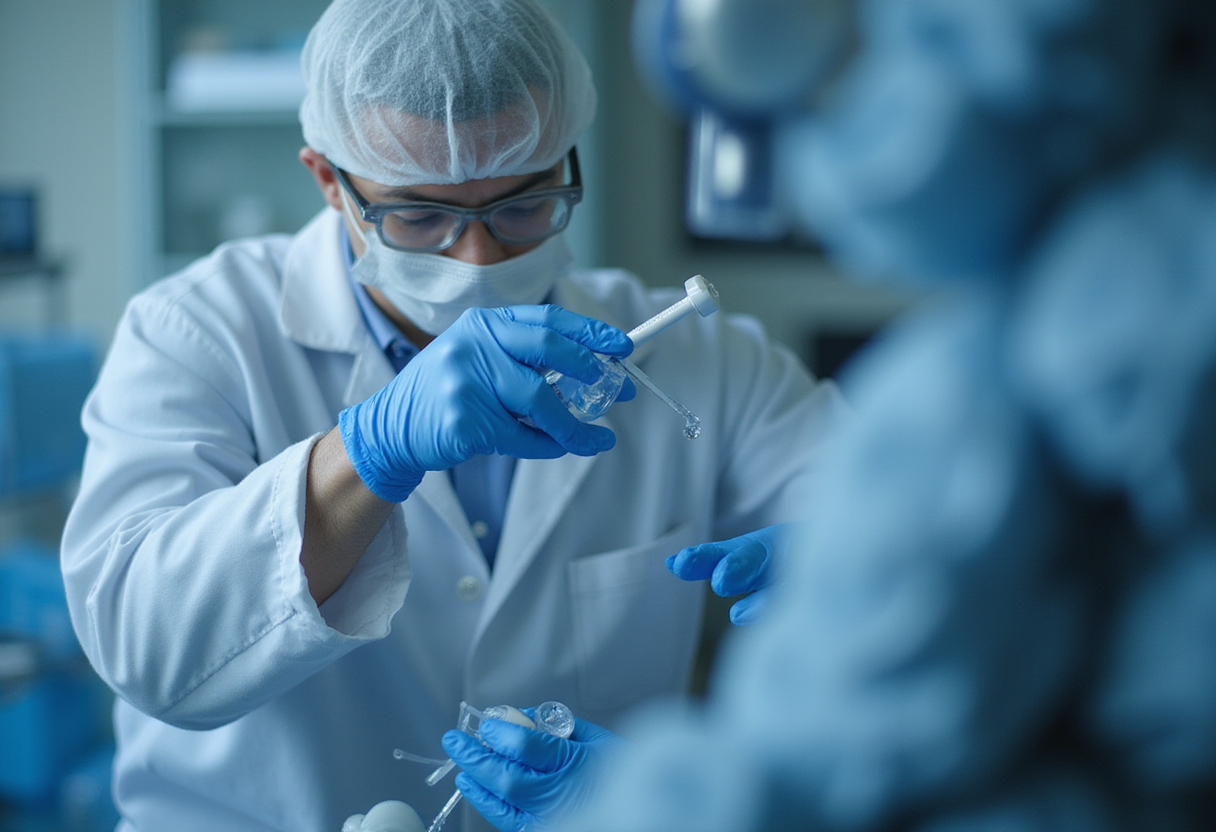
A leading microbiology specialist has urged cosmetics brands to strengthen their defences against the contamination risks that quietly drive product recalls, Cosmetics Business reports.
The warning targets a familiar failure pattern in the industry: recalls triggered not by visible errors in formulation or packaging, but by microbial problems that escape routine checks. For brands, the message is direct. Preservation systems, manufacturing hygiene and stability testing deserve the same scrutiny as marketing claims and ingredient innovation.
Why does the call come now?
Recalls carry costs that extend far beyond the logistics of pulling stock. A single contamination event can force a brand to reformulate, retest and resubmit documentation to regulators across every market where the affected SKU is sold. Retailers may delist. Consumer trust erodes faster than any remediation programme can rebuild it.
The specialist's intervention frames microbiological quality as a boardroom issue rather than a laboratory afterthought. That shift matters for formulators, who must balance preservative efficacy against consumer demand for mild, often preservative-light systems; for quality teams, who own the testing protocols; and for procurement, which selects suppliers whose raw materials can introduce microbial load long before finished goods leave the plant.
What should brands actually do?
Cosmetics Business reports the specialist recommends brands reinforce their defences across the full product lifecycle. In practical terms, that translates into several actions for professionals across the value chain:
- Formulation teams should validate preservative systems against challenge testing, not just compliance minimums, particularly for water-rich formats where microbial growth accelerates.
- Quality and compliance teams should audit manufacturing environments and raw material suppliers for contamination entry points that standard batch release may miss.
- Buyers and procurement should treat microbiological specifications as a supplier selection criterion, equal in weight to price and INCI compliance.
- Brand managers should prepare recall response plans before an incident, because the first 48 hours of a contamination event determine the commercial damage.
Each step adds workload. None of it adds glamour. All of it costs less than a recall.
Who carries the risk?
The recall exposure described falls unevenly across the industry. Large multinationals operate dedicated microbiology departments and in-house challenge testing. Smaller brands and contract-manufactured lines often rely on external laboratories and standardised protocols, which can leave gaps precisely where batch volumes are growing fastest.
That asymmetry puts contract manufacturers and private-label owners on notice. A microbial failure in a shared production line can cascade across multiple brands simultaneously, multiplying the reputational and legal exposure far beyond a single company's balance sheet.
What is the takeaway?
Hidden microbial risks remain among the most common and most preventable causes of cosmetics recalls, and the specialist's warning gives quality and formulation teams a timely mandate to re-examine their defences. Watch upcoming industry guidance and supplier communications for concrete protocol updates; the next data point to monitor will be whether trade bodies translate this warning into revised testing standards.
via Google News - Cosmetics Regulation (Source)
More from Sophie Lindqvist
Show full bio
Market editor covering regulation, policy and their impact on professional skincare and cosmetics industry at INCI File.
91 articles
Cross-references · Related articles
- 2026 Shapes Up as Beauty's Accountability Deadline
- MSL Solution Providers calls for smarter challenge testing
- Biotech Opens a New Ingredient Class for Personal Care Formulators
- EU safety alerts: which cosmetic substances trigger recalls?
- Polish researchers unveil microcapsules that keep probiotics alive in cosmetics
End of monograph · 2 min read