BATCH-9219 · filed
Skinspan pushes APAC beauty past anti-ageing, Mintel data shows
Longevity-claim face and neck skincare launches rose from 1% in 2022 to 1.7% in 2024; in Thailand, 72% of Gen Z say they now act preventively, per Mintel's APAC 2026 report.
By Sophie Lindqvist · · 3 min read · 513 words
Composition
- Longevity-claim face and neck skincare launches rose from 1% of global debuts in 2022 to 1.7% in 2024, per Mintel's 'APAC Beauty and Personal Care Landscape 2026' report.
- 72% of Thai Gen Z consumers report taking proactive steps for their skin's future appearance.
- Globally, skin care launches with botanical or natural-alternative claims doubled from 13% in 2020 to 26% in 2025.
- In India, 31% of adults who research ingredients before purchasing favour products with trending components.
- In South Korea, 30% of women aged 45 and older say new ingredients or claims encourage them to pay full price.
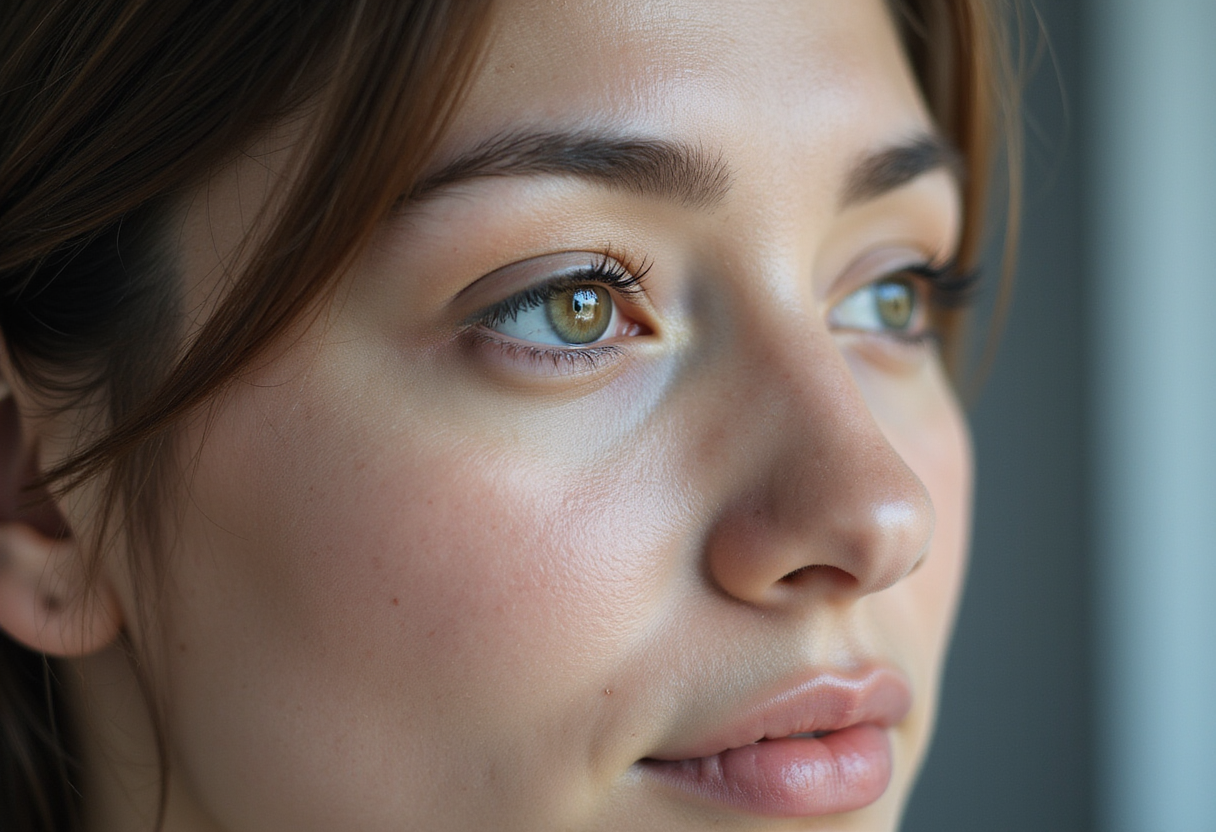
Longevity-positioned face and neck skincare launches climbed from 1% of global debuts in 2022 to 1.7% in 2024, according to Mintel's "APAC Beauty and Personal Care Landscape 2026" report, which frames the region's pivot from anti-ageing to long-term skin health.
The report documents a generational gap in how consumers approach skin ageing. In Thailand, 72% of Gen Z consumers say they take proactive steps for their skin's future appearance — a figure that anchors Mintel's central thesis: "skinspan," defined as the extension of barrier resilience and vitality, is replacing reactive cosmetics.
"Skinspan will only resonate if brands translate longevity into visible, functional, and well-evidenced skin outcomes," the report states, signalling a quality bar that formulators will have to meet.
What does skinspan change for product development?
The longevity frame carries concrete formulation implications. Established actives such as caffeine (for dark-circle care) and niacinamide (for tone correction) remain industry anchors, but Mintel flags momentum behind multi-peptide systems and "smarter natural alternatives" that signal scientific backing without losing approachability.
Botanical or natural-alternative claims illustrate the pull on both ends of the market. Globally, skin care launches carrying such claims doubled from 13% in 2020 to 26% in 2025. That trajectory forces brands to balance high-performance positioning with ingredient familiarity, gentleness and sustainability scrutiny.
Who is buying — and what are they willing to pay for?
Consumer evidence is strongest where ingredient literacy runs highest. In India, 31% of adults who research ingredients before buying favour products that feature trending components. In South Korea, 30% of women aged 45 and over say novel ingredients or claims convince them to pay full price — a margin-protective signal at a moment when promotions are eating into category revenue across the region.
The trade implication runs direct: established SKUs built on caffeine and niacinamide will hold shelf space, but the growth dollars are migrating to multi-peptide complexes and biotech-natural hybrids that can document both efficacy and gentle tolerability.
Why is metabolic health the next body-care territory?
Mintel singles out body care as the category with the most whitespace, naming sleep, stress and metabolic change as priority innovation zones. The GLP-1 medication wave sits at the centre of that argument. Rapid weight changes associated with these drugs are creating new need states around skin laxity and rebound effects — issues conventional body-care ranges were not designed to address.
The report cautions formulators against a narrow weight-loss lens. The opportunity, Mintel argues, lies in connecting metabolic health with sleep, stress and longevity into a single regimen, addressing the constellation of effects consumers are managing earlier and earlier.
What should brand teams and procurement watch next?
Short term, expect APAC filings to lean on barrier-repair, peptide-complex and adaptogen-anchored claims, with Korean and Thai NPD pipelines leading. The next data point to monitor: whether the 1.7% longevity share accelerates past 2% in 2026 launches, and whether body-care brands move first on metabolic-stress adjacencies or on a standalone GLP-1 recovery segment.
via Personal Care Magazine (Source)
More from Sophie Lindqvist
Show full bio
Market editor covering marketplaces and e-commerce at INCI File.
78 articles
Cross-references · Related articles
- Skin Longevity Takes Center Stage at in-cosmetics Asia 2026 in Bangkok
- IMCD to showcase skincare–aesthetics crossover at in-cosmetics Global 2026
- Men Sidelined as Longevity Skincare Goes Female-First
- Clinique Targets Uber-Sensitive Skin With Daily Calm Line
- SkinMedica Rolls Out Two Barrier-Support Products for Summer
End of monograph · 3 min read