BATCH-3709 · filed
LVMH posts €18.5bn Q3 as Sephora offsets China-driven fashion slide
LVMH sales rose 1.2 percent to €18.5bn in Q3, beating FactSet consensus, as Sephora and jewelry offset a China-driven slowdown in fashion and leather goods.
By Marcus Bennett · · 2 min read · 443 words
Composition
- LVMH Q3 sales reached €18.5 billion (US$20.6 billion) for the three months to end-September.
- Sales grew 1.2 percent, beating the FactSet analyst consensus of roughly 0.1 percent.
- Results were reported Monday, October 13.
- Fashion and leather goods slowed amid a China downturn; Sephora and jewelry drove the gain.
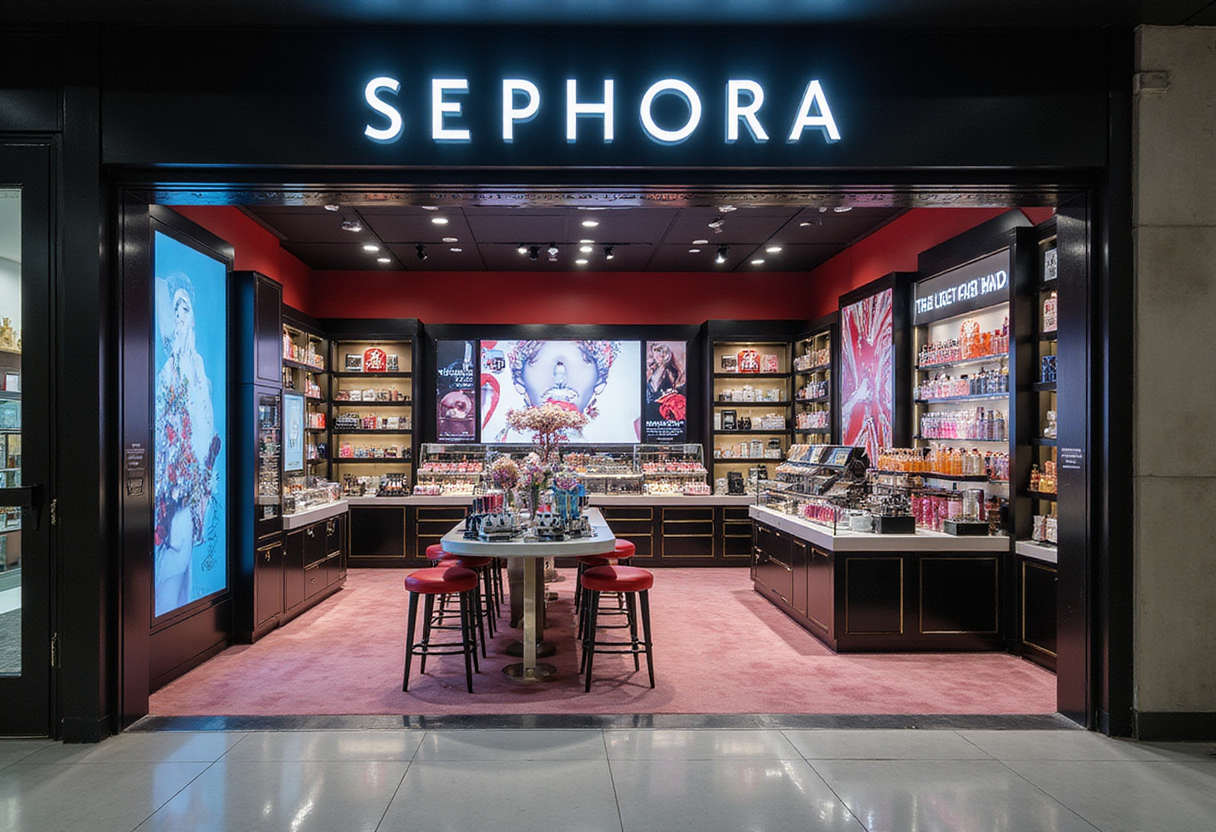
LVMH booked €18.5 billion (US$20.6 billion) in sales for the three months to the end of September, a 1.2 percent gain that beat the FactSet analyst consensus. The figure, released on Monday, October 13, matters for beauty professionals for one reason: Sephora carried part of the load while fashion and leather goods sagged on a China slowdown.
The group behind Louis Vuitton, Dior, Celine and Hennessy did not grow on the strength of its flagship fashion houses. It grew because selective retail and jewelry held up. That split tells formulators, buyers and retail strategists where demand currently sits in the luxury ecosystem.
What does the mix shift mean for beauty?
Sephora's contribution is the operational story. When a beauty retail chain outpaces a fashion division that analysts treat as the profit engine of the world's largest luxury group, procurement teams should read the signal plainly. Prestige beauty demand, at least at Sephora's point of sale, remains firmer than aspirational leather goods demand.
For brands negotiating shelf space, the implication is direct. A retailer whose parent group leans on it during a fashion downturn will push volume, exclusivity and launch cadence. Suppliers of color cosmetics, fragrance and skincare should expect continued pressure on margin in exchange for reach.
How hard did China hit?
The source data gives the direction without the full arithmetic. Fashion and leather goods slowed as China's luxury appetite weakened. Group sales still edged up 1.2 percent against a consensus that expected essentially flat revenue, the marginal 0.1 percent implied by analysts polled by FactSet.
That beat came despite, not because of, the China exposure. Wines and spirits, under Hennessy, sit in the same demand pressure zone. Jewelry compensated.
The takeaway in plain words: diversified luxury groups can absorb a regional shock in one division only if another division keeps selling.
What should buyers and brand managers watch next?
Three concrete data points follow from this release:
- Q4 sales, which will show whether Sephora's momentum survives the holiday quarter and whether China stabilizes.
- Full-year divisional splits at the annual results, where LVMH will disclose how much of 2025 growth came from selective retail versus fashion.
- Any guidance commentary on China, since a prolonged fashion slide would eventually squeeze marketing budgets that fund beauty launches across the group.
For the beauty trade, the working assumption after October 13 is simple. Sephora remains a growth engine inside LVMH, and suppliers tied to its assortment pipeline hold a stronger position than those dependent on fashion-adjacent licensing. The next hard number to watch is the fourth-quarter report, expected in early 2026.
via Premium Beauty News (Source)
More from Marcus Bennett
Show full bio
Correspondent covering companies, deals and strategy in professional skincare and cosmetics industry at INCI File.
117 articles
Cross-references · Related articles
- Prestige Beauty Grows 7% in North America as Luxury Sector Stalls
- rhode enters Sephora Europe: 500-plus doors from 30 September 2026
- Buyers From Target, CVS And Space NK Name Standouts At BITE NYC
- Medik8 Targets $100M as Sephora North America Rollout Launches
- 63% of consumers doubt premium beauty works better: McKinsey
End of monograph · 2 min read