BATCH-1830 · filed
Jennifer Lawrence’s Mes debuts as prestige hair care rises 11%
Jennifer Lawrence’s Mes debuts at $34–$52 with three direct-to-consumer hair products as U.S. prestige hair care grew 11% in the first half of 2026, amid celebrity exits.
By James Calloway · · 5 min read · 1,024 words
Composition
- Mes launched with three direct-to-consumer hair products priced at $34-$52.
- U.S. prestige hair care sales rose 11% and units 8% in H1 2026; serum sales rose 60%.
- Pauline Brown estimated a successful Mes launch could generate $10 million-$15 million in first-year sales.
- Dove launched its first fine fragrance at $19.57 per bottle.
- Puig reported Q3 2026 sales of €1.39 billion ($1.55 billion), up 7.2%.
By James Calloway
U.S. prestige hair care dollar sales rose 11% in the first half of 2026, according to Circana, while units increased 8% and hair serum sales climbed 60%.
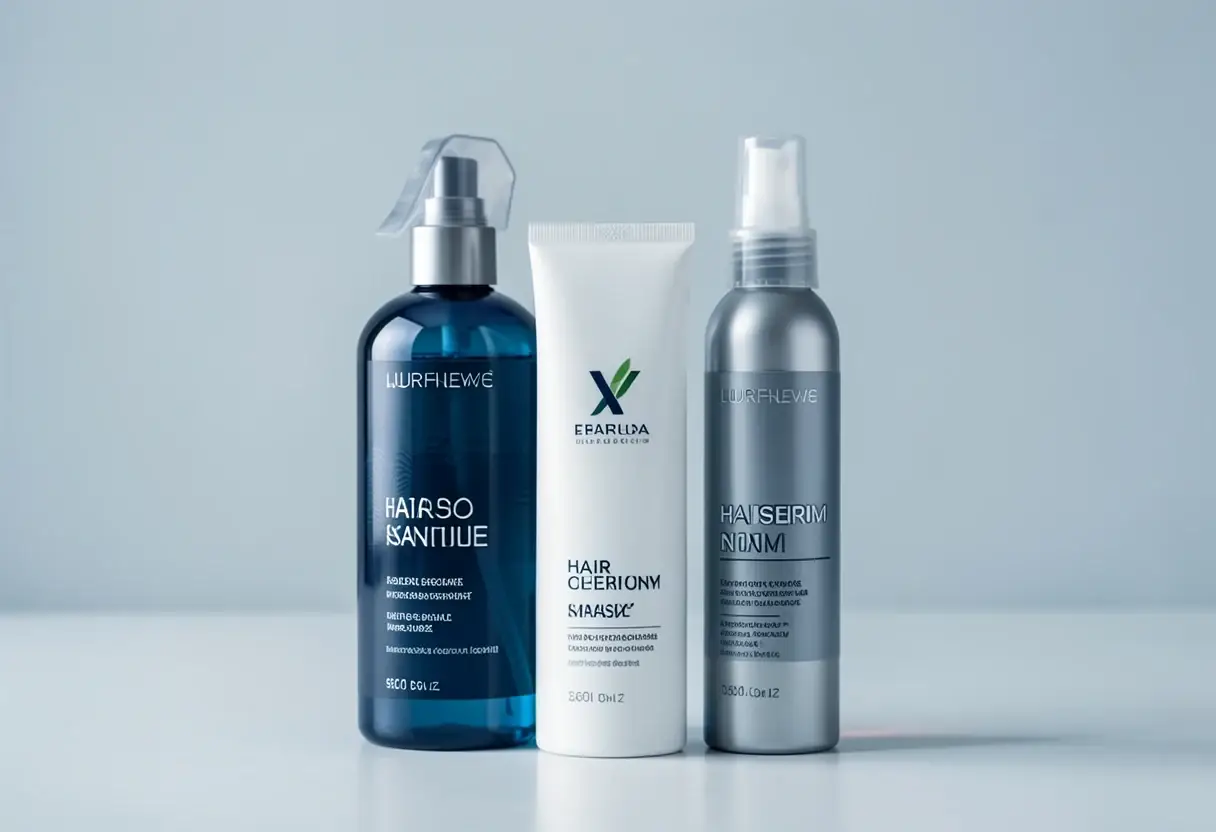
Jennifer Lawrence launched Mes on Tuesday with Arcaea founder and CEO Jasmina Aganovic. The direct-to-consumer range contains a hair mask, Good Roots volumizing mist and Restyling styling serum, priced at $34-$52.
Mes enters a growing category with a clear proposition: save time and extend the life of a wash. Scale depends on proven performance, not borrowed attention.
What does Mes offer?
Lawrence said: “It was these three [products] because these go with the ethos of elongating your hair, like elongating your washed hair, spending less time in the bathroom.”
Good Roots spray promises lift and longer time before oiliness, effectively serving as a built-in dry shampoo. Restyling Serum is designed to hold shape and bring hair back. Mes also claims 86% less frizz and 72 hours of volume.
Those quantified claims put formulation performance and substantiation at the center of repeat purchase; visibility alone will not do the work.
Lawrence pursued Aganovic after seeing her TED Talk on biotech in beauty. Aganovic, founder of Future Society, had not sought a famous partner but argues that product quality and Lawrence’s specific vision make Mes more than a standard celebrity brand. She said: “This is so much more, and the reason for that is because she has this very specific vision for what she wanted to create that was a very real need in the market.”
The message is clear: Mes sells time savings and repeatable performance, not just a famous founder.
Can celebrity authority produce repeat sales?
Pauline Brown, founder of Aesthetic Intelligence Labs and a former LVMH and Estée Lauder executive, said consumers have become smarter and no longer assume fame or beauty guarantees a product secret. The market supports her caution.
Hailey Bieber sold Rhode to E.l.f. Beauty in a billion-dollar deal in 2025, but other exits have been harsher:
- Scarlett Johansson’s skin-care brand The Outset shuttered in September.
- E.l.f. Beauty announced the sale of Keys Soulcare back to Alicia Keys in May.
- Beauty Independent reported the shuttering of Halsey’s mass-makeup brand Af94 in October.
- Jared Leto’s skin- and hair-care line Twentynine Palms ceased operations in 2023, before reaching one year.
Bieber brought an established social audience and had already made Beautystat’s vitamin C serum viral. Johansson never joined social media, even after launching The Outset. Baird’s Jon Tenan said social platforms let consumers judge how genuinely a celebrity owns a brand; they also amplify customer-acquisition spending, a major cost for young brands.
Lawrence published her first Instagram post in September and teased Mes in October. Her account exceeded 8 million followers within weeks of launch. Brown doubted that Instagram would work as a pure advertising channel, but saw potential in Lawrence using it to convey authority and story. Brown estimated a successful first year at $10 million-$15 million in annual sales.
Celebrity reach can open the transaction, but only repeat purchase closes the business.
Why is hair attracting celebrity capital?
Blake Lively, Beyoncé, Shakira and Cardi B have launched hair-care lines in recent years, extending the celebrity playbook beyond cosmetics and skin care. Circana’s first-half 2026 data placed prestige hair care among the fastest-growing beauty segments.
Exit conditions remain difficult. Tenan cited Rare Beauty and Makeup by Mario as scaled, multi- and omnichannel businesses with tough exit landscapes, while fewer conglomerate acquisitions may make founders more cautious. For acquirers, celebrity identity does not substitute for scale.
Celebrity earnings also provide a motive. Forbes reported that the combined earnings of Hollywood’s top 20 highest-paid actors fell 20% in 2025 from 2024; Adam Sandler still earned $48 million.
Brown said brands now spread endorsement spending among actors, influencers and other nontraditional figures. Emma Chamberlain has served as a Lancôme global ambassador since 2023, while Burberry’s fall “Anniversary Portraits” campaign featured Seoul content creator Jonathan and tattoo artist Dr. Woo.
Hair offers momentum, but celebrity brands still need commercial scale before they become attractive exits.
What else changed across beauty?
-
Patrick Ta Beauty appointed Angela Simpson chief marketing officer, formerly Haus Labs’ CMO, and Carolyne Rapp vice-president of creative, joining from Merit as VP and creative director.
-
Alicia Valencia will become Allies of Skin CEO. She previously led Makeup by Mario globally and Pat McGrath Cosmetics; founder Nicolas Travis will depart in February.
-
Madison Reed, a home hair-color brand, named Michelle Peterson CMO and promoted John Sullivan to chief commercial officer, its first holder of that role.
Unilever-owned Dove launched its first fine fragrance on Tuesday with developer Ann Gottlieb, a perfume version of its beauty bar, at $19.57 per bottle.
Accelerator The Center Brands acquired skin-care brand Boscia with dermatologist Dr. Mamina Turegano from Japanese cosmetics company Fancl, which launched Boscia in 2002. The Center previously incubated Phlur and Saltair.
Spanish conglomerate Puig reported Q3 2026 sales of €1.39 billion ($1.55 billion), up 7.2%. Makeup rose 16.1%, driven by Charlotte Tilbury; fashion and fragrance rose 3.9%, including Jean Paul Gaultier and Dries Van Noten fragrances.
Yipit’s The State of TikTok Shop Beauty 2026 report found men’s representation in fragrance 51% higher on TikTok Shop than at other beauty retailers.
Other briefing items covered a $150 beauty set advertised as worth $950, messy hair in Jane Austen films, hair as an accessory, Bath & Body Works’ holiday season and Zooey Deschanel, and products behind L’Oréal Group’s 7% earnings jump.
Target’s revamped Soho store and SharkNinja’s push to turn fans into beauty sellers ahead of the holidays were also flagged. On the podcast, Cymbiotika co-founder Durana Elmi discussed beauty-supplement strategy with host Lexy Lebsack.
The next test is whether Mes can approach Brown’s $10 million-$15 million first-year benchmark through repeat purchases rather than follower conversion, and whether its 86% frizz and 72-hour volume claims survive real use.
via beautyindependent.com (Original)
More from James Calloway
Show full bio
Senior reporter covering money, funding and market shifts around professional skincare and cosmetics industry at INCI File.
141 articles
Cross-references · Related articles
- Jennifer Lawrence enters hair care with biodesigned brand mes°
- Dove and Vaseline pull Unilever to 6.7% Q3 turnover rise
- K-beauty scalp scalers take the Korean head spa into the bathroom
- Jennifer Lawrence's mes° Enters a Celebrity-Crowded Hair Care Market
- IMCD to showcase skincare–aesthetics crossover at in-cosmetics Global 2026
End of monograph · 5 min read