BATCH-1784 · filed
Jennifer Lawrence's mes° Enters a Celebrity-Crowded Hair Care Market
Jennifer Lawrence's biodesigned brand mes° enters hair care two years after Beyoncé, Cardi B and Rihanna. Analysts warn celebrity buys awareness, not repeat purchase.
By Marcus Bennett · · 4 min read · 700 words
Composition
- Jennifer Lawrence launched mes°, a biodesigned hair care brand
- Beyoncé (Cécred), Cardi B (Grow-Good Beauty) and Rihanna (Fenty Hair) all entered hair care within the past two years
- Wizz Selvey: celebrity status lowers customer acquisition cost but does not guarantee repeat purchase
- Robin Dimond of Fifth & Cor names differentiation as the core challenge for celebrity hair care brands
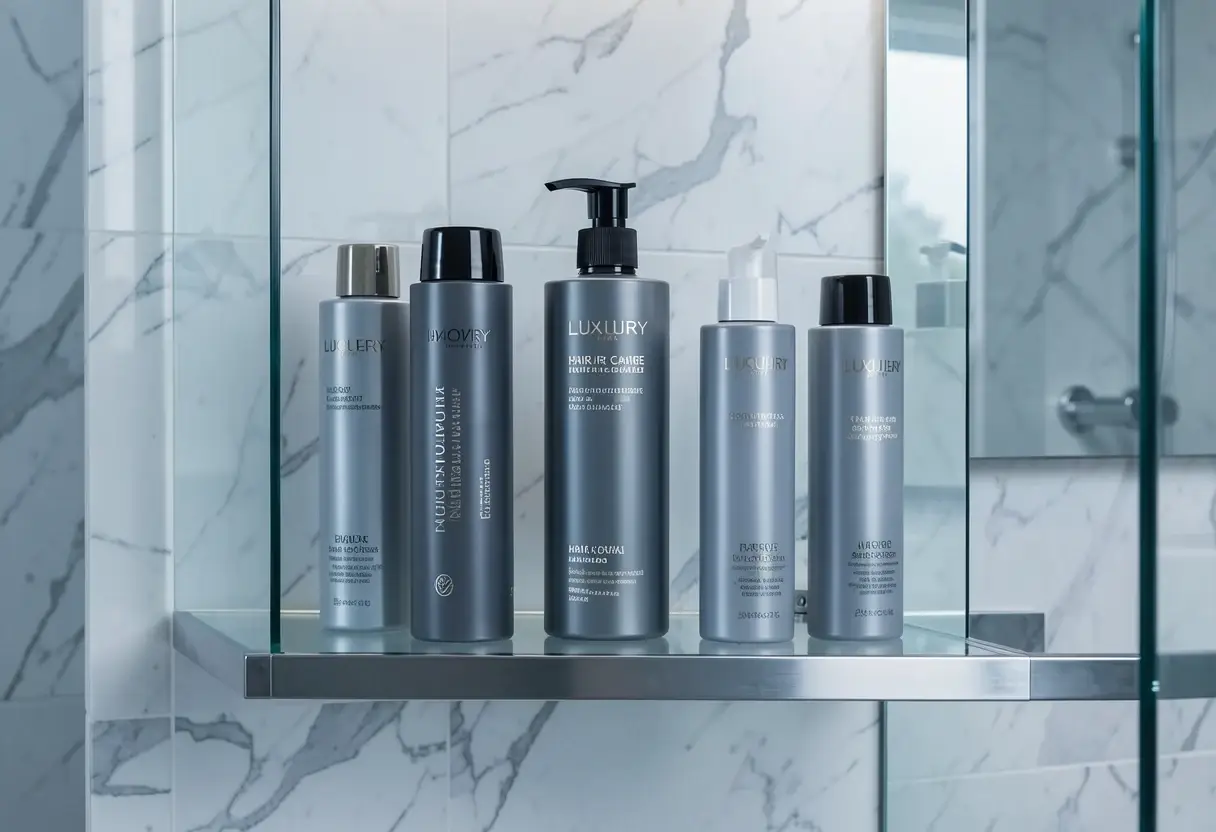
Jennifer Lawrence has launched mes°, a biodesigned hair care brand, and she enters a category that Beyoncé, Cardi B and Rihanna have each claimed in the past two years.
Beyoncé brought out Cécred, Cardi B unveiled Grow-Good Beauty, and Rihanna added Fenty Hair to her beauty portfolio. Celebrity-owned hair care has, by most trade accounts, effectively taken over the shelf in the last 24 months. The question for formulators, buyers and brand strategists is no longer whether more founders will arrive. It is whether any of them can hold a customer.
Why do celebrities keep choosing hair care?
"Hair care is one of beauty's strongest growth categories," says Beauty and Retail Expert Wizz Selvey. "It is easy to see why celebrities and investors want a piece of that market."
Growth attracts capital and famous names. But the same growth attracts rivals, and Selvey, who spent years buying beauty brands for Selfridges, warns the competitive floor rises just as fast as the ceiling. Consumers now know more about formulations and demand more from product performance. A launch that once would have carried a category now competes with a dozen near-identical ones.
The stakes are concrete. A famous founder buys immediate awareness and lowers the cost of customer acquisition. That advantage shows up on the marketing budget line, not on the income statement.
"Celebrity gives you immediate awareness and potentially a lower cost of acquiring customers, but it does not guarantee repeat purchase," Selvey says.
That distinction sits at the centre of the debate. Launch metrics flatter celebrity brands. Retention metrics expose them.
What separates a launch from a business?
Selvey draws the line from direct experience: "Having spent years buying beauty brands at Selfridges, I have seen how a high-profile name can generate enormous excitement around a launch. But there is a big difference between creating a successful launch and building a successful business."
Robin Dimond, founder and CEO of marketing and innovation agency Fifth & Cor, frames the buyer's side of the equation. Shoppers need more than a famous face to build loyalty, she argues.
"[Celebrity-founded hair care brands] need a compelling brand identity, a product that delivers and a reason to believe in the company behind it," Dimond says.
For mes°, that means the biodesigned positioning carries real weight. A differentiated formulation story answers Dimond's test more directly than a conventional sulfate-free claim would in 2025's environment.
Where is the differentiation risk?
Dimond identifies saturation as the structural problem, not a cyclical one.
"The real challenge facing celebrity hair care brands is differentiation. When multiple celebrities enter the same category with similar product offerings, marketing campaigns and promises, the novelty of celebrity ownership begins to lose its impact."
The mechanism is simple. Each new celebrity launch resets consumer expectations upward while diluting the scarcity value of every famous founder already in the category. Cardi B's entry made Rihanna's Fenty Hair less novel. Lawrence's entry dilutes both again. The brands that survive this cycle, Dimond argues, are those that build assets a rival cannot copy with a press release.
"The brands that succeed will be those that est", she notes, pointing toward establishing durable identity and product performance above the noise of ownership.
What does this mean for buyers and formulators?
For retail buyers, the calculus is shifting. Celebrity names still guarantee launch velocity and press coverage, which reduces the risk of the first order. They do not guarantee the second. Buyers weighting shelf space should treat acquisition-cost advantages as short-lived and demand performance data, repeat-purchase figures and a formulation story that stands without the founder's name attached.
For product development teams, the message cuts the same way. In a category where Beyoncé, Rihanna, Cardi B and now Lawrence all claim premium performance, the formulation itself — in mes°'s case, biodesigned chemistry — has to do the differentiation work. Marketing cannot carry three brands making identical promises.
Watch the next data points: mes°'s first sales disclosures, the retention performance of Cécred and Fenty Hair through 2025, and whether any celebrity hair care brand publishes repeat-purchase rates that justify the category's crowded pipeline.
via Cosmetics Business (Source)
More from Marcus Bennett
Show full bio
Correspondent covering companies, deals and strategy in professional skincare and cosmetics industry at INCI File.
155 articles
Cross-references · Related articles
- The Business of Fashion Asks: Where Is the Next Influencer Beauty Blockbuster?
- Jennifer Lawrence enters hair care with biodesigned brand mes°
- Rhode, Medicube and Prada Top WWD's 2026 Power Brands
- 63% of consumers doubt premium beauty works better: McKinsey
- Buyers From Target, CVS And Space NK Name Standouts At BITE NYC
End of monograph · 4 min read