BATCH-6209 · filed
Estée Lauder puts €5.7m into water circularity at Oevel plant
ELC invests €5.7m at its Oevel plant in Belgium, targeting 25 million litres of annual water savings and cutting water intensity from 9.3 to 3.6 litres per kg of product.
By Sophie Lindqvist · · 3 min read · 585 words
Composition
- ELC invests €5.7m in water infrastructure at its Oevel plant in Belgium
- Project targets ~25 million litres of annual water savings, equal to about ten Olympic pools
- Water intensity expected to fall from 9.3 to 3.6 litres per kg of product
- More than €150m invested in Oevel over the past decade
- Oevel will serve as a scalable model for ELC's wider manufacturing network
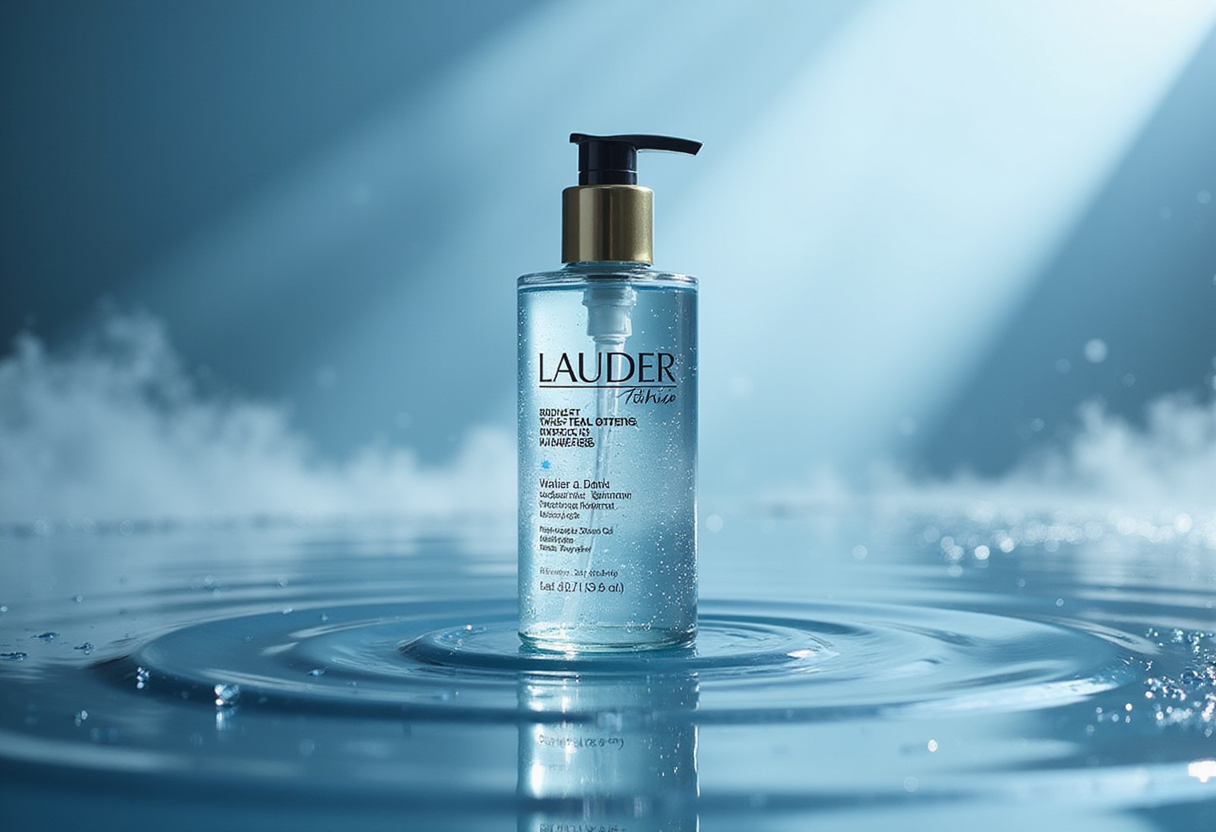
The Estée Lauder Companies is investing €5.7 million in advanced water infrastructure at its Oevel manufacturing plant in Belgium, a project it expects to save roughly 25 million litres of water annually — the equivalent of about ten Olympic-sized swimming pools.
Once operational, the system should cut water intensity at the site from 9.3 litres per kilogram of product to 3.6 litres/kg, according to the company. For a plant ranked among ELC's largest manufacturing sites, that is a 61% reduction in water drawn per unit of output — a figure procurement and operations teams tracking resource efficiency benchmarks will want to note.
The project sits within a broader transformation at Oevel, where ELC has invested more than €150 million over the past decade across artificial intelligence, automation, digital manufacturing, logistics and production technologies.
How does the water circularity system work?
ELC said it is rethinking "the entire water cycle within manufacturing operations" by combining three elements into one integrated programme:
- Enhanced purified water systems that reduce freshwater withdrawal at the point of use.
- Reuse of water within equipment cleaning and sanitisation operations.
- Transformation of wastewater into a reusable resource for defined operational purposes, again including equipment cleaning and sanitisation.
Together, these technologies keep water in use longer, cut dependence on incoming freshwater and minimise wastewater discharge. Crucially for ELC's wider network, the company positions Oevel as a scalable model: the learnings are intended to inform potential deployment at other plants in its manufacturing footprint.
For contract manufacturers and competitors, that transferability matters. If the Oevel design proves out, expect closed-loop cleaning and sanitisation water systems to move from sustainability talking point to standard specification in beauty manufacturing tenders.
What does it mean for 'Beauty Reimagined'?
The investment aligns with ELC's ongoing 'Beauty Reimagined' turnaround strategy, which aims to improve profitability, boost lagging sales and streamline operations. ELC has framed its supply chain as a "strategic engine of growth" in an increasingly volatile world, and Oevel is the showcase.
"'Beauty Reimagined' is about building a more agile, more resilient and more consumer-centric company for the future," said Alexander Gregorian, Senior VP, Manufacturing & Engineering, ELC.
"Oevel demonstrates how we are translating that ambition into reality through advanced manufacturing, digital innovation and responsible resource management," Gregorian said, adding that "the learnings from this project will help inform future manufacturing initiatives across our broader network."
"The combination of innovation, operational excellence and water stewardship will play an increasingly important role in the future of manufacturing," he said.
Why water efficiency is now a manufacturing KPI
The Oevel funding lands as manufacturers globally invest in water-efficiency solutions that maintain quality and operational reliability. Water stewardship is shifting from corporate-responsibility reporting into engineering budgets: ELC's 25-million-litre saving shows the scale now achievable when purification, reuse and wastewater recycling are designed as one system rather than bolted on separately.
The context is broader still. Oevel's water project forms part of what ELC calls "the next generation of beauty manufacturing," combining new technologies, automation, digital capabilities and advanced infrastructure on a single campus. Sites that master this combination — AI-driven production, automated logistics and closed-loop water — set the cost and sustainability benchmarks the rest of the industry will be measured against.
The next data point to watch: whether ELC confirms replication of the Oevel water circularity model at additional plants, and how quickly the site reports hitting the 3.6 litres/kg target once the system goes live.
via hpcimedia.com (Original)
More from Sophie Lindqvist
Show full bio
Market editor covering marketplaces and e-commerce at INCI File.
78 articles
Cross-references · Related articles
- L'Oréal Anchors 50% Emissions Cut to SBTi 1.5°C Pathway
- L'Oréal: 67% of Formula Ingredients Now Natural or Recycled
- Estée Lauder, Schneider Electric Open Up on Packaging Roadmaps
- Beiersdorf CEO Warns EU Beauty Risks Becoming 'the Next Auto Industry'
- L'Oréal Eyes $1M EPR Savings as California, EU Packaging Rules Hit
End of monograph · 3 min read