Filed
Coffee Culture Searches Jump 174% as 2026 Perfumes Go Overt
“Coffee Culture” Google searches rose 174% year over year in November, according to Coffee Culture, as overt coffee notes entered 2026 perfume launches. Superdrug points to café culture and identity.
By Sophie Lindqvist · · 4 min read · 757 words
Composition
- Google searches for “Coffee Culture” increased 174% year over year in November, according to Coffee Culture.
- Overt coffee notes appeared in perfume launches in 2026.
- Superdrug’s Insights Team linked interest to independent coffee shops, lifestyle cups and coffee-inspired products.
- The material names no INCI, concentration, supplier or individual fragrance launch.
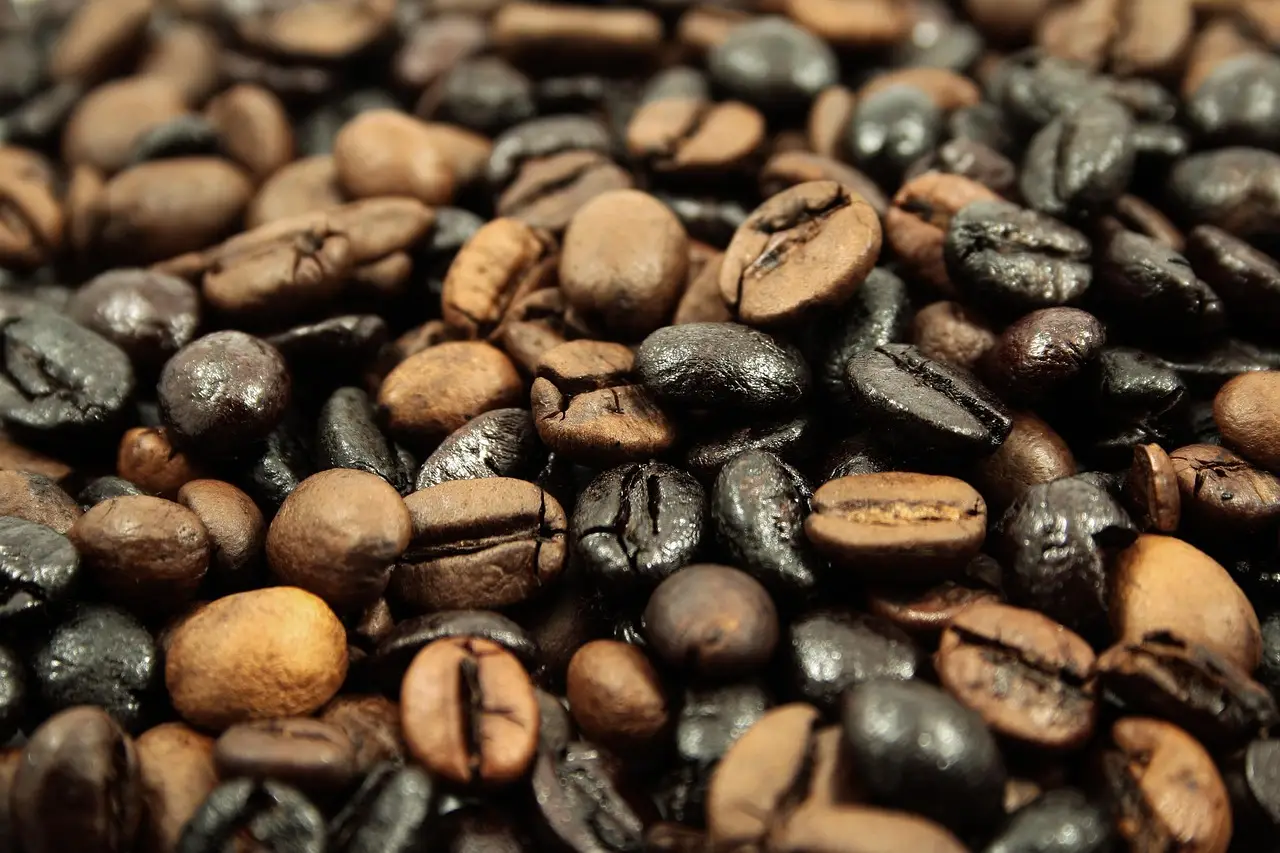
Google searches for “Coffee Culture” rose 174% year over year in November, according to Coffee Culture, as more overt coffee notes appeared in 2026 perfume launches. That relative increase is the clearest quantified signal in the available evidence, alongside a retailer’s account of how consumers now treat coffee.
A spokesperson at Superdrug’s Insights Team said: “This ranges from carrying cups as lifestyle accessories and visiting independent coffee shops to embracing coffee-inspired products.” The retailer places perfume within a wider coffee-led identity system, rather than treating coffee as an isolated ingredient trend.
The same spokesperson said: “As café culture becomes more mainstream, it has become an opportunity for brands to turn this aesthetic into products that feel both relatable and aspirational.” For commercial teams, the brief combines everyday familiarity with a premium emotional payoff.
What is driving coffee fragrances in 2026?
The available material links two forces. First, the sensory appeal of opening a bag of freshly roasted coffee beans: a rich, velvety scent described as warm and toasted. More consumers now want to wear that familiar aroma rather than limit it to the coffee ritual.
Second, coffee has become a more visible part of consumer identity. That gives a fragrance launch a readily understood cultural reference, while its aroma offers an immediate emotional cue without requiring technical explanation from the wearer. These are communication benefits as much as formulation benefits.
The material does not name an INCI, fragrance accord, supplier, concentration, individual launch or launch date. Product teams therefore have a clear market signal but no documented technical recipe or benchmark against which to judge an “overt” coffee note. The formulation detail is missing.
What does the 174% search increase mean?
Coffee Culture’s November figure represents relative year-over-year growth, not an absolute search count. The material specifies no measurement year, baseline, geography, category split or methodology, so it cannot show how many searches occurred, where interest concentrated or how many converted into purchases.
For brand and retail buyers, the defensible conclusion is narrow: online interest in “Coffee Culture” accelerated sharply during the measured period. The figure does not show that coffee fragrance sales rose by 174%, nor does it identify the performance of any retailer’s perfume range.
The metric still matters. Search is not sales. But it connects fragrance launches with visible consumer behaviour, while Superdrug’s account adds practical detail through independent coffee shops, lifestyle accessories and coffee-inspired products. Together, they justify closer monitoring rather than a predetermined reorder volume.
How should coffee-led launches be built?
Superdrug’s quote sets two requirements: relatability and aspiration. A launch that delivers only familiarity may look accessible but undifferentiated; one built purely around aspiration could lose the immediate cultural cue that made coffee visible to consumers.
- Product development: Translate the warm, toasted coffee profile into an explicit sensory brief, then test how recognisable the note remains against the intended launch positioning. The source provides no concentration or performance target.
- Brand and merchandising: Connect the fragrance with established coffee rituals, from independent coffee shops to cup-based lifestyle accessories, rather than presenting it as an isolated novelty.
- Retail and buying teams: Track trial, repeat purchase and range extension separately from search activity. None of those commercial measures appears in the current evidence.
The brief is coffee, but execution must balance familiarity with aspiration.
What can compliance and procurement teams conclude?
The reported evidence offers little basis for formulation compliance or supply assessment. It names no product, maker, ingredient, concentration, supplier or full launch date. Buyers therefore cannot use the material for an INCI comparison, stability review, allergen-document check or supplier qualification.
That absence matters for professional buyers. Search activity can reveal consumer attention, but it cannot replace sell-through figures, product specifications or supplier documentation. Teams evaluating coffee-themed launches should request the complete technical and commercial file before treating the trend as a category forecast.
The signal justifies interest, not inventory commitments.
What happens next?
The next useful data point is commercial: whether the 174% increase in “Coffee Culture” Google searches translates into perfume sales, repeat purchase or broader adoption of coffee notes across 2026 launches. A subsequent November search comparison would also show whether the increase persists beyond a single measured month.
Until then, coffee functions as a visible scent and identity cue, while the size of its fragrance opportunity remains unquantified. The next search update and 2026 sell-through data will determine whether the 174% signal becomes a durable category rather than a one-month surge.
via Cosmetics Business (Source)
More from Sophie Lindqvist
Show full bio
Market editor covering regulation, policy and their impact on professional skincare and cosmetics industry at INCI File.
124 articles
Cross-references · Related articles
- Express revives Y2K fragrances Love and Loyalty at $16-$49
- Cloud Beauty to spotlight refillable packaging at LUXEPACK New York 2026
- Lipoid Kosmetik adds cascara to upcycled actives slate
- Idiom opens first permanent London store as fragrance layering sales climb
- 63% of consumers doubt premium beauty works better: McKinsey
End of monograph · 4 min read