Filed
Biodance founder turned 2013 facial scarring into hydrogel skin care
Biodance founder Mihwa Kim built the Korean brand's hydrogel philosophy on her own recovery from a 2013 car crash that left 60 stitches in her face, with global growth igniting in 2023.
By Marcus Bennett · · 3 min read · 585 words
Composition
- Founder Mihwa Kim suffered a 2013 car crash leaving 60 stitches and severe facial scarring
- Biodance launched in 2021 under South Korean company Beautyselection Co.
- Global growth began in 2023, driven by viral videos of hydrogel application
- Kim credits the product, not marketing: 'I do not think we did the marketing ourselves'
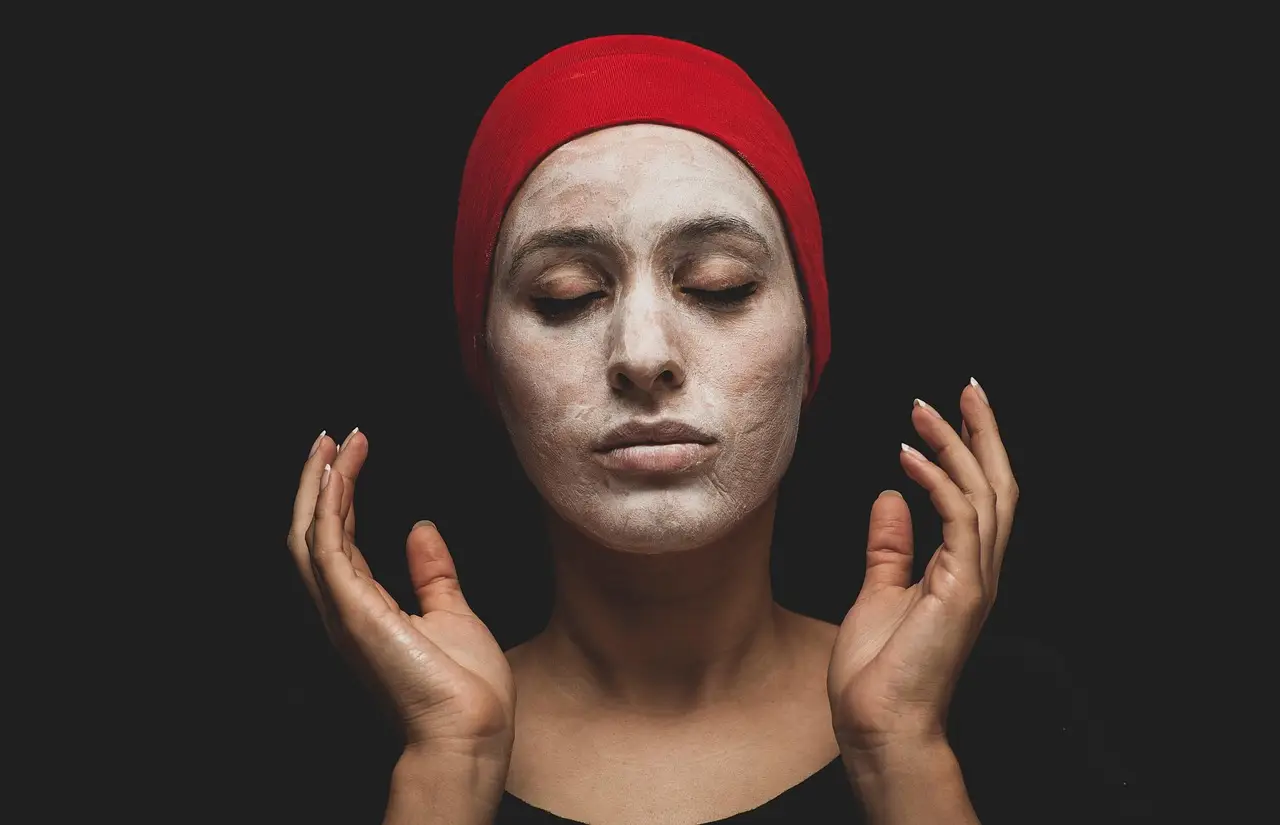
A 2013 car crash that left Mihwa Kim with 60 stitches in her face and what she calls "really bad scarring" is the origin story behind Biodance, the Korean skin care brand whose hydrogel masks are now driving trends worldwide.
Kim, then a television shopping channel presenter, reached for hydrogel patches to reduce the visible impact of the scarring. That choice changed both her skin and her buying habits. The patches proved a "tremendous help" in her healing process, and they taught her a formulation philosophy she has carried into Biodance since its launch in 2021.
"Before [the crash] I asked 'what else can I put on my face?', [after] I started asking 'what does my skin need?'" she told Cosmetics Business.
What did the accident teach the founder?
The recovery period pushed Kim toward a barrier-first view of skin care. She concluded that formulators should not overload the skin but should support its own repair mechanisms.
"I learned that it is very important to keep skin comfortable and moist and to create the right environment so that the skin can recover on its own," she said. "So I got the inspiration for using hydrogel as a material."
For product developers, the takeaway reads like a brief: hydrogel as a delivery format, comfort and hydration as the mechanism, and self-recovery as the claim structure. Kim summarised her ambition plainly: "I wanted to bring that experience into everyday skin care… That is how Biodance began."
How fast did the brand grow?
Biodance launched in 2021 inside a wider portfolio operated by South Korean cosmetics and skin care company Beautyselection Co. The real inflection came two years later.
In 2023 the brand's global takeover began, fuelled by viral videos and what observers describe as visually pleasing application processes. Hydrogel masks lend themselves to this format: the material visibly changes as it works, which gives short-form video a before-and-after arc without any editorial effort.
The brand's spread therefore offers a case study for marketers. A texture or format that performs on camera can shorten the path from domestic launch to international demand. Procurement teams watching Korean suppliers should note that hydrogel capacity, not just serum chemistry, now sits on the critical path for brands chasing this trend.
Is the success marketing or formulation?
Some observers credit Biodance's socially-native approach for its rise. Kim herself rejects that framing. She argues the product, not the promotional machinery, did the work.
"I do not think we did the marketing ourselves," she said. "I think it is the product that le[ads]…"
Her account cuts against the standard playbook of paid creator campaigns and staged virality. If accurate, it suggests buyers and formulators should treat the hydrogel format itself, with its comfort, adherence and visual behaviour, as the asset that travels across markets.
For treatment menus, the mechanism matters too. A mask that keeps skin "comfortable and moist" while supporting natural recovery maps neatly onto post-procedure protocols, where barrier support rather than active loading is the priority.
What comes next?
The interview's stated focus, global expansion, signals where the next data points will appear: new market entries, retail listings and regulatory filings outside Korea for the hydrogel line. Watch the brand's distribution announcements over the coming quarters, since each new market entry will test whether a camera-friendly format, a founder story and a barrier-support claim can carry a K-beauty brand from viral moment to durable shelf presence.
via cosmeticsbusiness.com (Source)
More from Marcus Bennett
Show full bio
Correspondent covering companies, deals and strategy in professional skincare and cosmetics industry at INCI File.
176 articles
Cross-references · Related articles
- SkinMedica Rolls Out Two Barrier-Support Products for Summer
- Peptide hydrogel for sensitive skin moves from bench to application testing
- Ex-Naturopathica CEO Cathy O'Brien Launches Skin Union
- Body Care Launches Jump 62% as Face-Grade Actives Move Below the Chin
- Cultured Human Skin Cells Surface as K-Beauty's Newest Active Class
End of monograph · 3 min read