BATCH-7048 · filed
Whisky by-products enter cosmetic ingredient pipeline, report signals
World Bio Market Insights reports a new cosmetic ingredient sourced from whisky production waste, marking a crossover between distillery by-products and personal care formulation.
By Marcus Bennett · · 3 min read · 516 words
Composition
- World Bio Market Insights published 'Whisky waste powers new cosmetic ingredient' as a headline item signalling a new cosmetic active.
- Whisky production generates several waste streams: draff (spent grains), pot ale (liquid residue after first distillation), and spent yeast lees.
- Supplier name, INCI designation, target claim, concentration range, and launch market were not disclosed in the available headline item.
- EU Cosmetic Regulation (EC) 1223/2009 classifies most fermentation-derived actives as cosmetic ingredients rather than novel substances once purity and safety criteria are met.
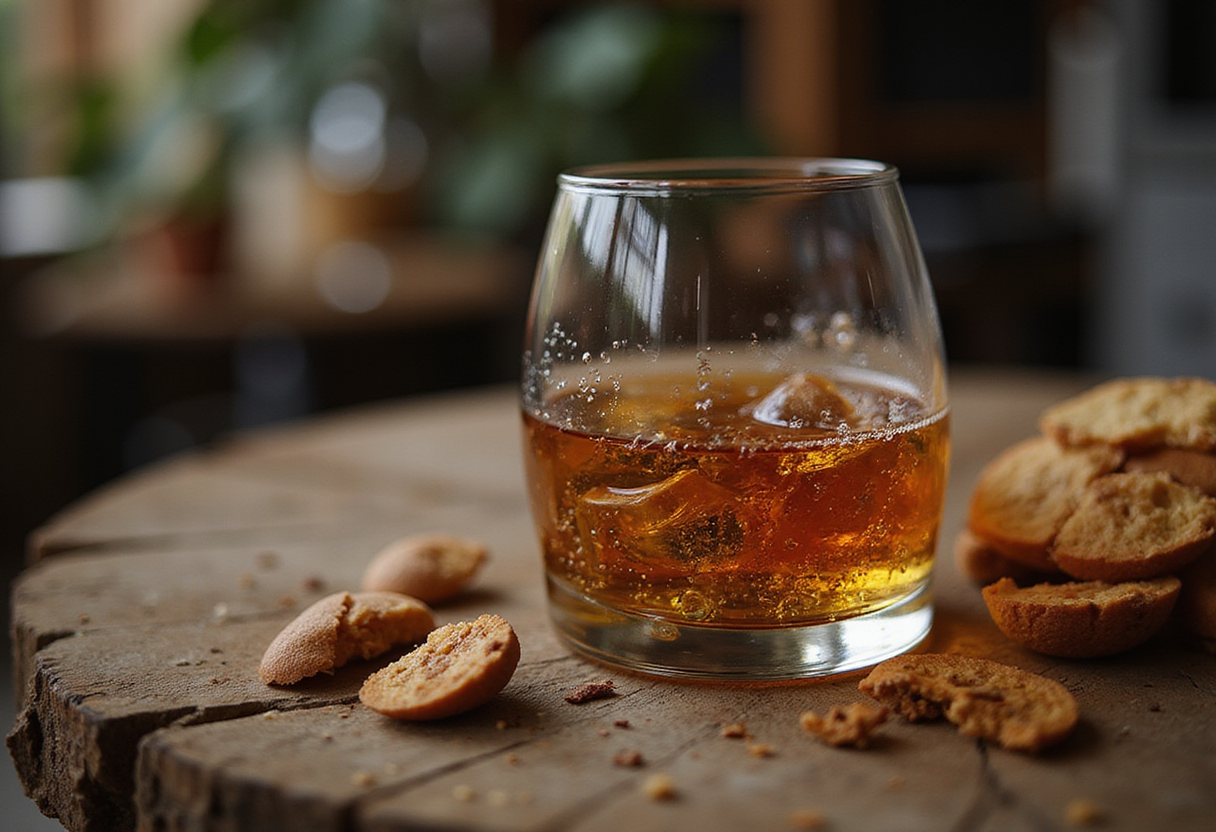
A new cosmetic ingredient developed from whisky production waste has entered the development pipeline, according to a World Bio Market Insights item headlined "Whisky waste powers new cosmetic ingredient." The crossover marks the latest signal of distillery side streams moving into personal care formulation.
The report points to fermentation residue and spent grain — broadly known as draff and pot ale — as feedstocks for an active that suppliers are now targeting for skincare applications. The move fits a broader pattern of bio-based cosmetic inputs sourced from alcohol production, as distillers and ingredient suppliers look to monetize waste streams that historically carried disposal costs.
For formulators, the attraction is twofold: a feedstock locally abundant in mature spirits markets (Scotland, Ireland, Kentucky, Japan), and a circularity narrative that resonates with consumers and procurement teams tracking Scope 3 emissions. Distillery by-products carry proteins, polysaccharides, polyphenols, and lipids, depending on the cut and processing step — a chemical profile several suppliers have already mapped onto humectant, emollient, and antioxidant claims.
What does the feedstock contain?
Whisky production generates several waste streams: spent grains (draff), the liquid residue after first distillation (pot ale), spent yeast lees, and solids recovered from cooling. Draff typically goes to drying or pressing for animal feed, while pot ale has historically been a treatment challenge for distilleries operating without anaerobic digestion.
Industry observers have pointed to the carbohydrate and protein fraction of draff for potential extraction into cosmetic-grade biopolymers, and to the polyphenol content carried over from malt and grain as a route into antioxidant claims. Yeast-derived fractions, including beta-glucans, have already reached the market in adjacent categories through suppliers working with brewing by-products.
What does this mean for compliance and procurement?
A distillery-derived ingredient lands differently in a regulatory file than a petroleum-derived or fully synthetic counterpart. EU Cosmetic Regulation (EC) 1223/2009 and equivalent frameworks outside Europe classify most fermentation-derived actives as cosmetic ingredients rather than novel substances once they meet the relevant purity and safety criteria, but buyers should still expect documentation around residual solvents, pesticide carry-over from grain, and heavy metals — a non-trivial compliance workload when the upstream is agricultural.
For procurement teams, the supply question is whether distillery-side streams can deliver year-round at cosmetic-grade volumes without competing with higher-value uses such as bioenergy and animal feed. The economics shift when an ingredient specification demands tighter moisture, protein, and microbiological controls than the feed market requires.
What's still missing
The report did not publish the supplier name, INCI designation, target claim, concentration range, or launch market in the headline item available at the time of writing. Until those details surface, buyers cannot compare the offering against incumbents in the upcycled-ingredient space — including established players working with grape pomace, olive mill waste, and spent coffee grounds.
The next data point to watch is a full supplier announcement carrying INCI, recommended dosage, and supporting efficacy data. Without those, the development reads as a signal of category direction rather than a directly actionable line item on a formulator's bench.
via Google News - Cosmetic Ingredient (Source)
More from Marcus Bennett
Show full bio
Correspondent covering consumer brands and retail at INCI File.
106 articles
Cross-references · Related articles
- Evonik Converts Scotch Whisky Waste into Cosmetic Emollient
- Biotech and Waste Feedstocks Redefine Circular Cosmetic Ingredients
- Zero-Waste Beauty Biotech Steps Out of Pilot Phase Into Mainstream
- Åbo Akademi's V-FOREST project eyes damaged forest biomass for cosmetics
- C16 Biosciences builds palm-free beauty toolkit with biotech trio
End of monograph · 3 min read