BATCH-8154 · filed
Unilever Puts €35 Million Into AI-Led R&D Hubs in India
Unilever will invest €35m to turn Mumbai and Bangalore R&D sites into AI and bioscience hubs, including a €5m Bio-Futures Partnership spanning microbiome science and biomanufacturing.
By Marcus Bennett · · 3 min read · 574 words
Composition
- Unilever is investing €35m in its Mumbai and Bangalore R&D centres, on top of €20m spent over the past five years.
- €5m of the new money funds a five-year Bio-Futures Partnership in Bangalore covering human biology, microbiome science, biotechnology and biomanufacturing.
- Mumbai becomes an integrated product innovation centre combining consumer insights, formulation science, packaging design and scale-up.
- Scientists at both sites will use AI, automated experimentation, predictive modelling and digital twins.
- The investment follows Unilever's fragrance hub opening in India earlier this year.
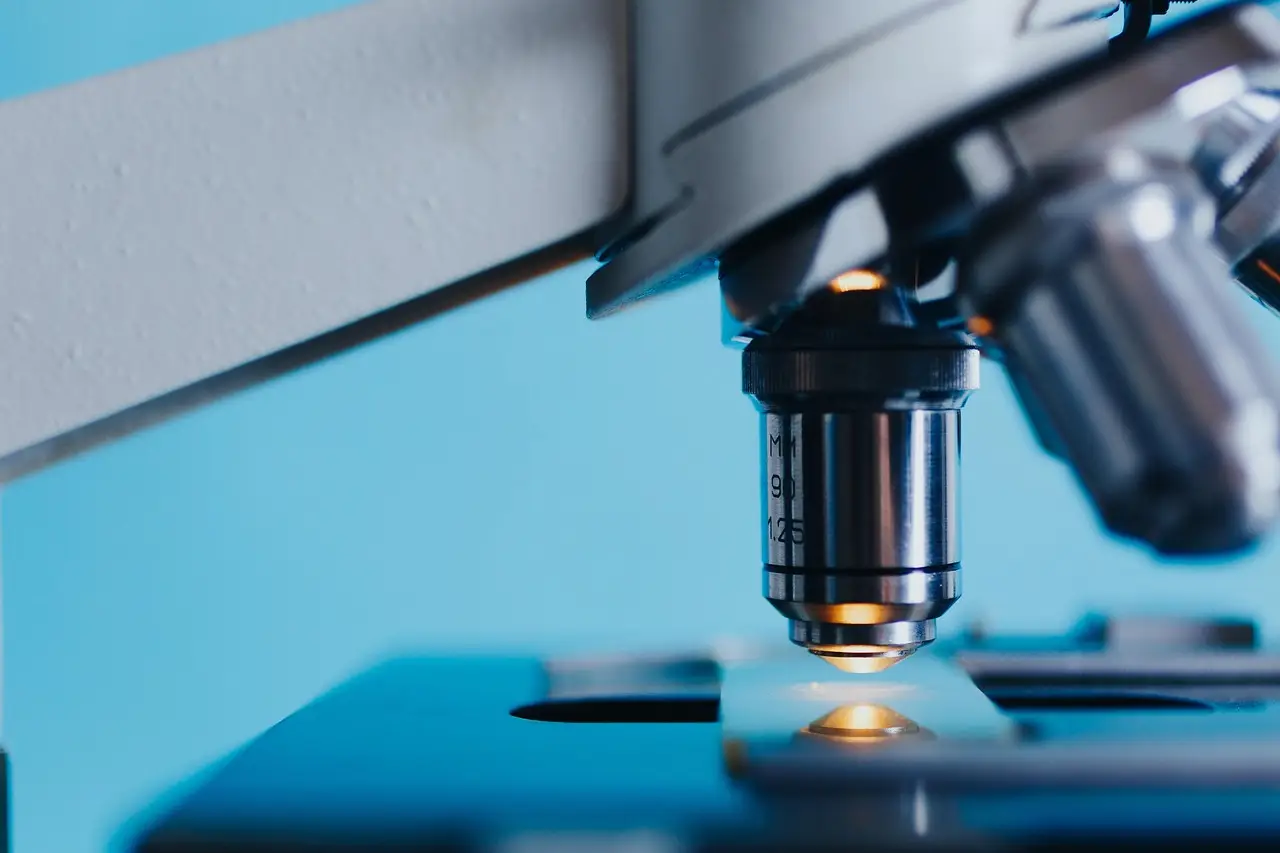
Unilever is spending €35 million to turn its R&D centres in Mumbai and Bangalore into what it calls "next-generation" hubs built around artificial intelligence and bioscience-led innovation. The move effectively doubles down on India: the Dove owner has already poured €20 million into the same two sites over the past five years.
The money will fund science, automation, predictive modelling and rapid prototyping at both locations. The investment will shape innovation across Unilever's beauty, wellbeing, personal care and home care divisions globally, not just for the Indian market.
What happens in Mumbai?
Unilever will develop the Mumbai site into a product innovation centre. The plan pulls previously separate functions into one integrated environment:
- consumer insights
- new measurement approaches
- product and format science
- packaging design
- rapid prototyping
- scale-up capabilities
The site will also host collaborations with academics, technology companies and innovators. For formulators, that integration matters: insights, formulation science, packaging and scale-up decisions would sit in the same building, which shortens the loop between a consumer finding and a scalable formula.
What does Bangalore get?
Bangalore receives €5 million of the €35 million total. That money establishes a strategic Bio-Futures Partnership, aimed at accelerating innovation across four areas over the next five years: human biology, microbiome science, biotechnology and biomanufacturing.
The microbiome and biomanufacturing focus signals where Unilever expects ingredient and production technology to move. Biomanufacturing in particular points toward fermentation-derived and bio-based ingredient routes, a field competitors have been funding heavily.
How does AI change the workflow?
At both locations, scientists and product developers will work supported by AI, automated experimentation, predictive modelling and digital twins. Unilever says these tools will speed up the process from exploring possibilities through to scaling innovations.
The mechanism is straightforward. Digital twins and predictive models let teams test formulation and process changes virtually before they run physical batches. Automated experimentation then runs those batches faster and with less manual handling. The result should be fewer physical iterations per development cycle, and faster transfer from prototype to factory scale.
Why India, and why now?
The investment follows the opening of Unilever's fragrance hub in India earlier this year, making 2024 a year of sustained R&D buildout in the country.
Richard Slater, Chief Research & Development Officer at Unilever, framed the decision in terms of both capability and market pull. "India already plays a central role in Unilever's global innovation network, and this investment will further strengthen its position as one of our largest R&D hubs," he said.
He added: "Over the decades, we have built up an incredible depth of scientific expertise and knowledge here, with fantastic talent across a huge range of disciplines."
Slater also pointed to the commercial logic. "India is also one of our most important growth markets. It is changing fast. Consumer expectations are rising, needs are evolving and the pace of innovation keeps on accelerating. That makes it an incredibly important place for us to learn, create and scale new ideas."
What should the industry watch next?
The five-year horizon of the Bio-Futures Partnership suggests a steady pipeline of bioscience-driven announcements rather than a single product launch. Watch for the first academic and technology partnerships named under the Mumbai collaboration programme, and for any early outputs from the Bangalore biomanufacturing work — both will indicate how quickly the €35 million converts into formulations reaching global beauty and personal care portfolios.
via Cosmetics Business (Source)
More from Marcus Bennett
Show full bio
Correspondent covering companies, deals and strategy in professional skincare and cosmetics industry at INCI File.
155 articles
Cross-references · Related articles
- Unilever, Galaxy Surfactants sign charter on next-gen chemistries
- L'Occitane sells Elemis to PAI Partners after seven years of ownership
- Mamonde Enters India Through Nykaa, Extending K-Beauty's Retail Push
- CeraVe turns to India for environmental skin care insights
- L'Oréal Pairs With IBM to Put AI Into Sustainable Cosmetics R&D
End of monograph · 3 min read