BATCH-4915 · filed
L'Oréal Pairs With IBM to Put AI Into Sustainable Cosmetics R&D
L'Oréal and IBM will co-develop AI tools for sustainable cosmetics development, moving machine learning from marketing into the formulation lab. Terms and timelines remain undisclosed.
By Rebecca Stone · · 3 min read · 649 words
Composition
- L'Oréal and IBM have announced a partnership to develop AI tools for sustainable cosmetics creation.
- No financial terms, timeline or product platform names have been disclosed in the public announcement.
- The deal pairs the world's largest beauty company with a major computing firm rather than an ingredient supplier.
- Sustainability Magazine reported the collaboration.
- The partners have not yet announced a launch date or first reformulated product.
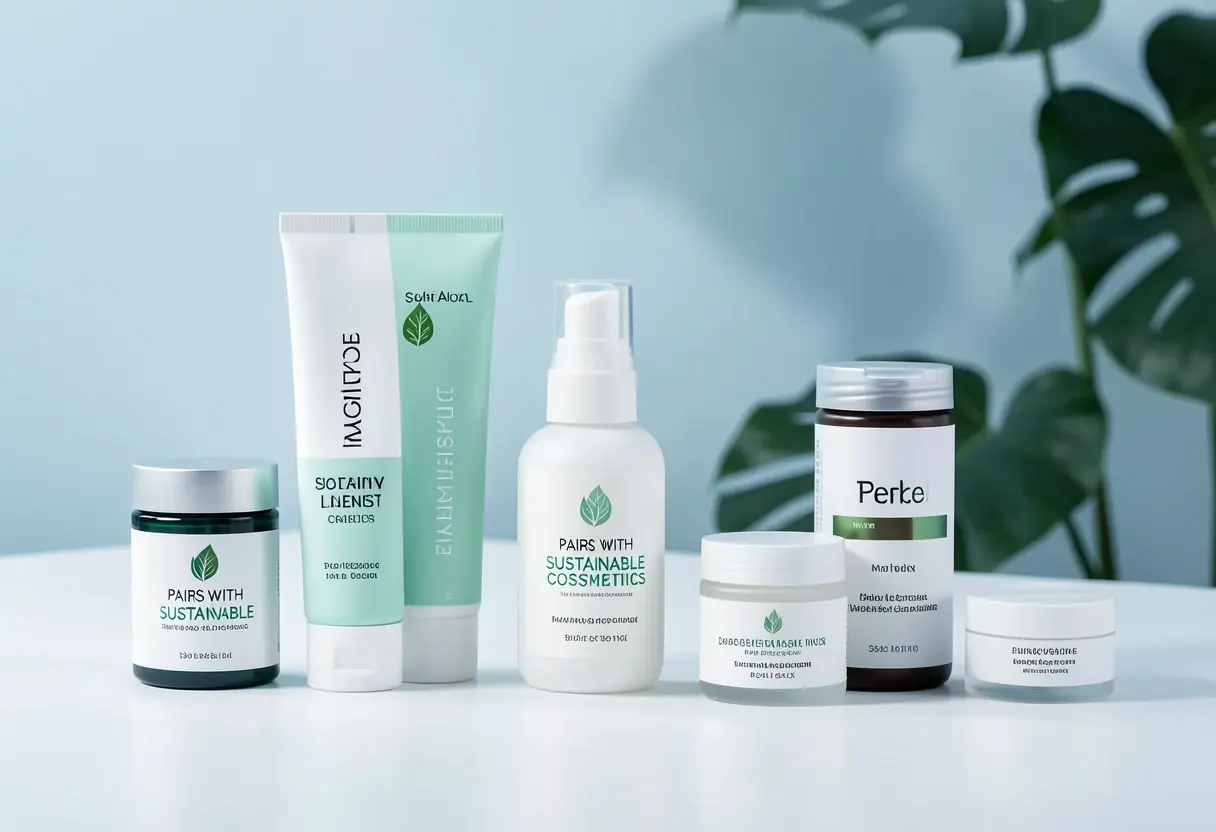
L'Oréal and IBM have confirmed they will build artificial intelligence tools together to speed up sustainable cosmetics development, a partnership that moves AI from marketing copy directly into the formulation lab.
Sustainability Magazine first reported the collaboration. The headline fact matters for the trade: the world's largest beauty company has chosen a computing partner rather than a specialty-ingredient supplier to solve its sustainability-formulation bottleneck.
What do we actually know?
The reported scope is narrow but pointed: joint work on AI systems that support sustainable cosmetics development. L'Oréal brings the formulation expertise and the ingredient pipelines. IBM brings the computational muscle and its work in generative models.
No financial terms, no timeline and no named product platforms have appeared in the public announcement as covered so far. That absence is itself a data point. When a supplier discloses numbers, it expects commercial results within a quarter or two. When it withholds them, the project usually sits three to five years from a launchable output.
Why does a beauty giant need a computing giant?
Sustainable reformulation is a combinatorial problem, and combinatorial problems are what machine learning eats. Replacing a petro-derived emollient or a contested preservative means re-balancing an entire formula: texture, stability, microbial safety, regulatory status in each market, and cost.
A human bench chemist tests one candidate at a time. A model can screen thousands of ingredient combinations in silico before anyone orders a sample. For a group of L'Oréal's scale — dozens of brands, thousands of SKUs, reformulation targets tied to corporate sustainability commitments — the arithmetic favors the algorithm.
Formulators should read this as workload redistribution, not workforce replacement. The bench testing that disappears is the screening; the validation, stability trials and regulatory dossiers remain human deliverables.
What does this mean for the supply chain?
Three practical implications follow from the deal, even at this early stage.
- Ingredient selection pressure. If AI models score raw materials on sustainability metrics, suppliers will compete on data quality as much as on chemistry. Expect more requests for cradle-to-gate footprint documentation.
- Reformulation velocity. Faster screening shortens the cycle from sustainability mandate to compliant formula. Brands with in-house AI will set the pace; contract manufacturers should plan for compressed timelines.
- Compliance plumbing. A model is only as good as its regulatory data. INCI naming, regional restrictions and restriction histories must be structured and machine-readable before any of this works.
The last point is the least glamorous and the most decisive. Companies that have not digitized their regulatory and safety documentation will find AI-assisted formulation out of reach regardless of computing power.
Is this a trend or an outlier?
Neither, really. It is a checkpoint. Beauty multinationals have spent the past several years bolting AI onto consumer-facing functions: shade matching, virtual try-on, personalized recommendations. formulation has stayed mostly analog because the data was messy and the stakes were high.
L'Oréal pairing with IBM signals that the messy-data excuse has expired. When the category leader commits, procurement teams at mid-tier brands start asking their own R&D heads what the AI roadmap looks like. Those conversations tend to precede budget lines by about a year.
What should professionals watch next?
Watch for three specific disclosures in the coming quarters. First, a named platform or joint lab, which would signal the project has moved past feasibility. Second, the first sustainability-linked reformulation the partners attribute to the AI work. Third, any peer announcement — an Estée Lauder, Unilever or Shiseido computing deal would confirm a sector-wide shift rather than a one-off.
Until then, treat this as direction rather than deliverable. The partnership tells the industry where sustainable formulation is going. It does not yet say how fast, or what it will cost. The next concrete number — a launch date, a filing, a reformulated SKU — will do that.
via Google News - Cosmetics Sustainability (Source)
More from Rebecca Stone
Show full bio
Staff writer covering people, launches and day-to-day practice in professional skincare and cosmetics industry at INCI File.
111 articles
Cross-references · Related articles
- L'Oréal and IBM pair up to reformulate cosmetics with generative AI
- L'Oréal and Nvidia expand partnership to build AI formulation engine
- L'Oréal Names First Cohort for Sustainable Innovation Program
- Materials Intelligence Moves Into the Engine Room of Beauty R&D
- L'Oréal: 67% of Formula Ingredients Now Natural or Recycled
End of monograph · 3 min read