BATCH-7062 · filed
Tallow Skincare Comes With 40–50% Oleic Acid and a Data Gap
Beef tallow's 40–50% oleic acid can undermine barrier function in compromised skin, with no clinical backing for eczema or acne claims. Established emollients already cover occlusion and TEWL control.
By James Calloway · · 3 min read · 620 words
Composition
- Beef tallow contains roughly 40–50% oleic acid, a level associated with impaired barrier function in eczema-prone skin.
- No clinical evidence supports tallow as a treatment for eczema or acne; it functions only as an occlusive emollient.
- Vitamin A, D, E, and K levels in unfortified tallow sit at trace amounts and cannot be claimed as cosmetic actives.
- "Natural" has no legal regulatory definition in the United States, removing any implied safety premium.
- Established alternatives include shea butter, petrolatum, lanolin, isopropyl myristate, and C12-15 alkyl benzoate.
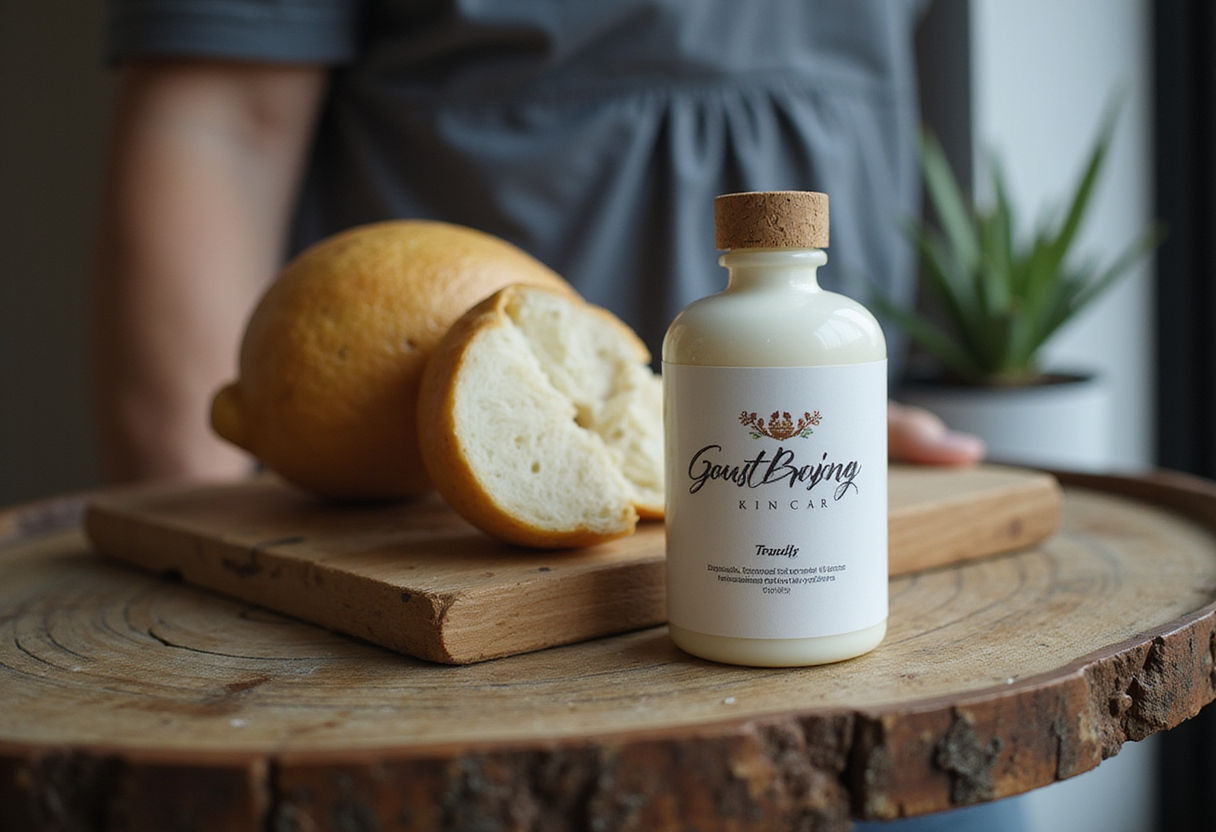
Beef tallow contains roughly 40–50% oleic acid — a level known to disrupt the skin barrier in eczema-prone consumers — yet indie brands continue to market the rendered animal fat as a "bio-identical" stand-in for human sebum.
Fueled by "ancestral," "paleo," and "back-to-basics" TikToks, tallow has cycled back into the indie skincare pipeline. For formulators, compliance teams, and procurement, the question is whether the chemistry supports the pitch.
What does tallow actually deliver at the bench?
Properly purified, tallow is an emollient. It softens skin, reduces transepidermal water loss (TEWL), and lays down an occlusive layer with a low irritation potential. Like shea and cocoa butters — which carry the same fatty-acid classes — tallow is semi-solid at room temperature, compatible with anhydrous balm and salve systems, and usable as a fatty phase in emulsions, with odor and texture typically requiring masking.
The mix is dominated by palmitic acid, stearic acid, and oleic acid, the same acids found in human sebum. That overlap drives the "bio-identical" framing, but jojoba oil mimics sebum even more closely. The skin barrier does not differentiate the source of oleic acid; it responds to structure, concentration, and formulation context.
Why is the vitamin argument weak?
Brands frequently cite fat-soluble vitamins A, D, E, and K. Unless the tallow is specifically fortified or fractionated, those vitamins sit at trace levels and cannot be treated as cosmetic actives. Formulators seeking measurable vitamin functionality should spec stabilized derivatives such as retinyl palmitate (vitamin A) at clinically meaningful concentrations rather than rely on incidental carry-over from a rendering process.
Does tallow treat eczema or acne?
There is no clinical evidence that tallow treats either condition. As an occlusive, it can relieve dryness-related irritation by lowering TEWL, but it carries no antimicrobial or anti-inflammatory activity. The 40–50% oleic acid content is the bigger liability: high-oleic profiles are documented to impair barrier function in compromised skin, and eczema-prone consumers generally do better on linoleic-acid-rich oils.
What are the real formulation and compliance risks?
Four practical issues complicate any tallow-based SKU going through scale-up or regulatory review:
- Oxidation. Animal fats rancidify faster than stabilized synthetic esters and usually need an antioxidant system that small-batch renderers rarely declare.
- Odor. Even deodorized tallow carries a fatty note that is difficult to mask in a finished cosmetic.
- Contamination. Without standardized rendering, batches can carry residual protein, microbial load, or heavy metals tied to sourcing.
- Shelf life. Unstabilized tallow degrades faster than synthetic-ester systems with established accelerated stability data.
In the United States, "natural" carries no regulatory definition, which removes any implied safety or performance premium brands try to attach to the ingredient.
What can formulators use instead?
Every function tallow offers — occlusion, slip, barrier protection — is already covered by ingredients with safety dossiers, microbial control, and consistent supply:
- Shea butter
- Petrolatum
- Lanolin
- Esters such as isopropyl myristate or C12-15 alkyl benzoate
- Tailored lipid actives positioned for barrier repair
Tallow's only structural advantage over that set is consumer pull from ancestral, minimalist, or zero-waste positioning. On performance, stability, and documentation, the incumbent emollients win.
Bottom line for R&D and procurement
Tallow is functional, not differentiated. It does not outperform the established emollient toolkit, and it carries oxidation, odor, and sourcing risk that most small-batch renderers do not mitigate. For brands weighing a tallow SKU against an extension of the existing fat and ester platform, the case rests on storytelling rather than chemistry. Watch for any peer-reviewed in-vivo data from indie tallow brands or an independent safety assessment; absent that, the ingredient remains a marketing-led story dressed as a formulation breakthrough.
via cc.chemistscorner.com (Original)
More from James Calloway
Cross-references · Related articles
- 2026 C&T Allēs Shortlist: Base Ingredients Take the Spotlight
- From Farm to Face: Food-Based Actives Reshape Sustainable Cosmetic Formulation
- Estonian startup ÄIO brings fermentation-derived oils to cosmetics with tilk! launch
- Skinimalism and clean beauty drive multifunctional formulation
- C16 Biosciences builds palm-free beauty toolkit with biotech trio
End of monograph · 3 min read