BATCH-8796 · filed
Peptides in skincare: efficacy claims meet formulation reality
Coverage of a Dermatology Digest feature on peptide actives, mapping the four peptide categories and the stability, penetration and tolerability challenges that complicate formulation.
By James Calloway · · 3 min read · 546 words
Composition
- Dermatology Digest has published a feature titled "Peptides: Harnessing Their Potential, Minimizing Their Perils"
- The piece maps four working peptide categories: signal, carrier, neurotransmitter-inhibiting and enzyme-inhibiting
- Recurring formulation pain points include stratum corneum penetration, pH and oxidation stability, and copper-peptide irritation
- EU Regulation 1223/2009 and US FDA 21 CFR govern the cosmetic-versus-drug claim boundary for bioactive peptides
- Major cosmetic peptide suppliers include Lipotec, Sederma, Lucas Meyer, Givaudan Active Beauty and Ashland
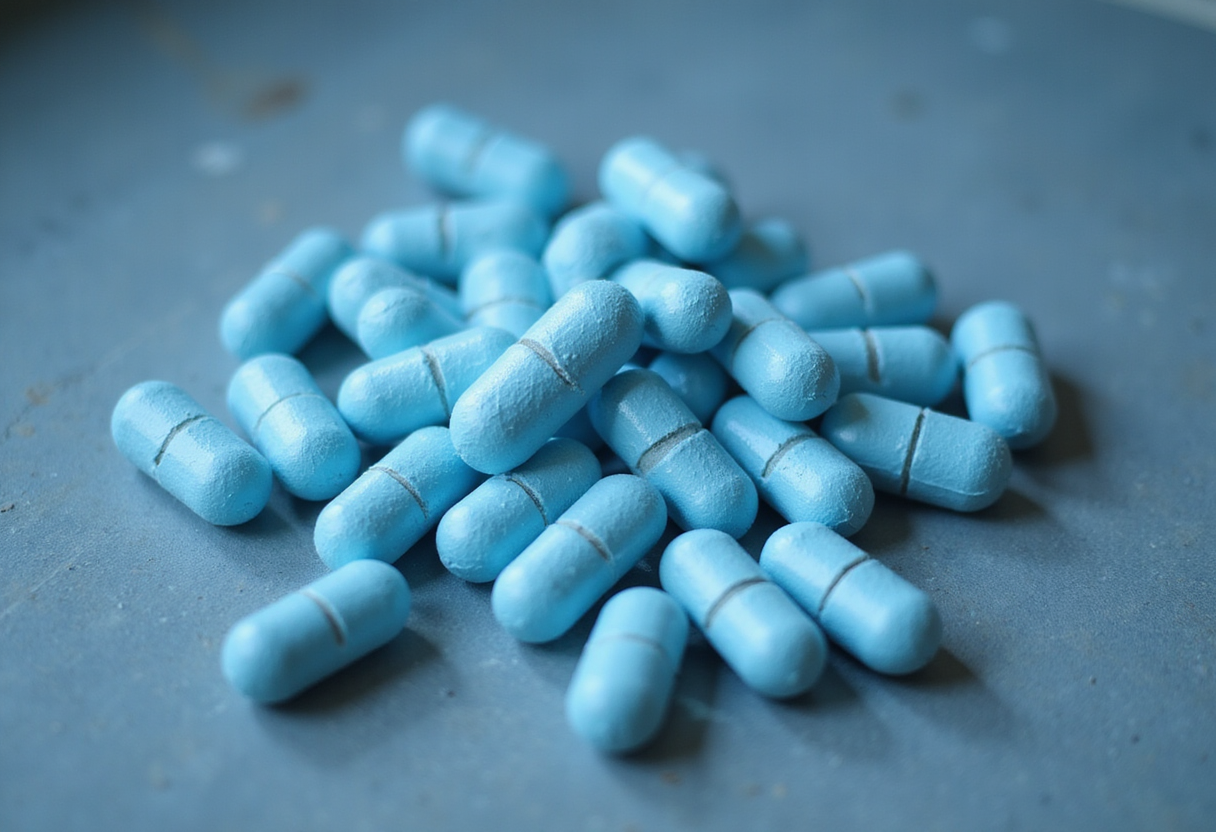
The Dermatology Digest has published a feature titled "Peptides: Harnessing Their Potential, Minimizing Their Perils," a framing that puts the spotlight on the dual-use challenge facing formulators and prescribers: peptides can deliver measurable cosmetic claims, but they also generate stability, sensory and tolerability problems that complicate product development.
Peptides remain one of the most active ingredient categories in anti-aging, post-procedure and barrier-repair skincare. The cosmetic INCI list now includes dozens of peptide entries — palmitoyl pentapeptide-4, copper tripeptide-1, palmitoyl tripeptide-1, acetyl hexapeptide-8 and acetyl octapeptide-3 among the most-deployed. Each carries a different mechanism.
Which peptide classes matter most in formulation?
The current market spans four working categories:
- Signal peptides (palmitoyl pentapeptide-4, palmitoyl tripeptide-1, palmitoyl hexapeptide-12): fragments of collagen or fibronectin sequences designed to stimulate dermal matrix activity.
- Carrier peptides (copper tripeptide-1, manganese tripeptide-1): deliver trace metals that support enzyme activity in collagen and elastin synthesis pathways.
- Neurotransmitter-inhibiting peptides (acetyl hexapeptide-8, acetyl octapeptide-3): compete at the presynaptic release mechanism commonly associated with expression-line formation.
- Enzyme-inhibiting peptides: target tyrosinase, MMPs or other dermal enzymes, though fewer commercialised INCI entries exist in this bucket.
The "perils" framing maps to three recurring pain points.
What makes peptides difficult to formulate?
- Penetration. Peptides are large, hydrophilic molecules that struggle to cross the stratum corneum. Formulators typically attach lipophilic chains (palmitoyl, myristoyl, acetyl) or use liposomes, ethosomes and polymeric nanoparticles.
- Stability. Most peptide sequences are sensitive to pH extremes, oxidation and proteolytic degradation, which has pushed brands toward airless packaging, anhydrous bases and lower-water emulsions.
- Tolerability. Copper peptides in particular have been reformulated to address transient irritation complaints in sensitive-skin users.
Where does the regulatory line sit?
In the EU, the cosmetics-versus-pharmacological boundary for bioactive peptides remains fluid under Regulation (EC) 1223/2009. Claims tied to muscle relaxation, wound healing or hormone-like activity push products into medicinal territory. The US FDA's drug-versus-cosmetic distinction under 21 CFR imposes a similar discipline on structure-function copy for peptide-containing products.
The result is a tight claim ceiling for brands: anti-wrinkle, smoothing and firmness language is workable; muscle-relaxation and botulinum-toxin-comparison language is not.
What does this mean for treatment rooms and procurement?
For dermatologists and aesthetic practitioners, the practical read is that peptide products function best as adjuncts to in-clinic work — peels, microneedling, laser resurfacing — where post-procedure skin is more receptive to topically delivered actives. For buyers and brand developers, the open question is whether next-generation peptide chemistry can deliver meaningful penetration without aggressive carrier systems that may compromise skin comfort.
The Dermatology Digest article does not specify whether it draws on clinical trial data, formulation cost analysis or expert interviews; INCI File will refresh this coverage when the underlying content is accessible. What is clear is that "peptides" is no longer a single procurement category: the label covers copper-peptide complexes, matrikines, signal peptides and neuropeptides, each with its own formulation rules, claim ceiling and tolerability profile.
Watch for peer-reviewed efficacy comparisons between peptide classes, and INCI updates from Lipotec, Sederma, Lucas Meyer, Givaudan Active Beauty and Ashland on the next generation of stabilized or topically bioavailable peptide structures.
via Google News - Cosmetic Dermatology (Source)
More from James Calloway
Cross-references · Related articles
- FDA Panel Vote on Peptides Raises Stakes for Compounding and Beauty
- BASF presents CHP, Stanford films and coconut-water data at IFSCC 2026
- Peptide hydrogel for sensitive skin moves from bench to application testing
- BASF Pushes Into Colligen-Targeting Actives With Two New Launches
- IMCD to showcase skincare–aesthetics crossover at in-cosmetics Global 2026
End of monograph · 3 min read