BATCH-5783 · filed
Oribe bets on mosaic art, not AI, to drive holiday sales
Oribe's $42–$310 holiday sets, designed by mosaicist Mathilde Herrero, drive most Q4 sales as the brand doubles revenue since Kao's 2017 acquisition — and refuses generative AI.
By Rebecca Stone · · 3 min read · 696 words
Composition
- Oribe gift sets range from about $42 to $310 and drive most of the brand's Q4 sales.
- Oribe revenue was about $170 million at its 2017 Kao acquisition and has doubled since, per the brand.
- Accenture surveyed 1,393 beauty shoppers: millennials plan to spend $1,088 on average, Gen Z $1,005.
- Walmart's holiday events expand to 14 days, up from 10 in 2025.
- TikTok searches for 'gold jewelry' rose 1,134% month over month in September.
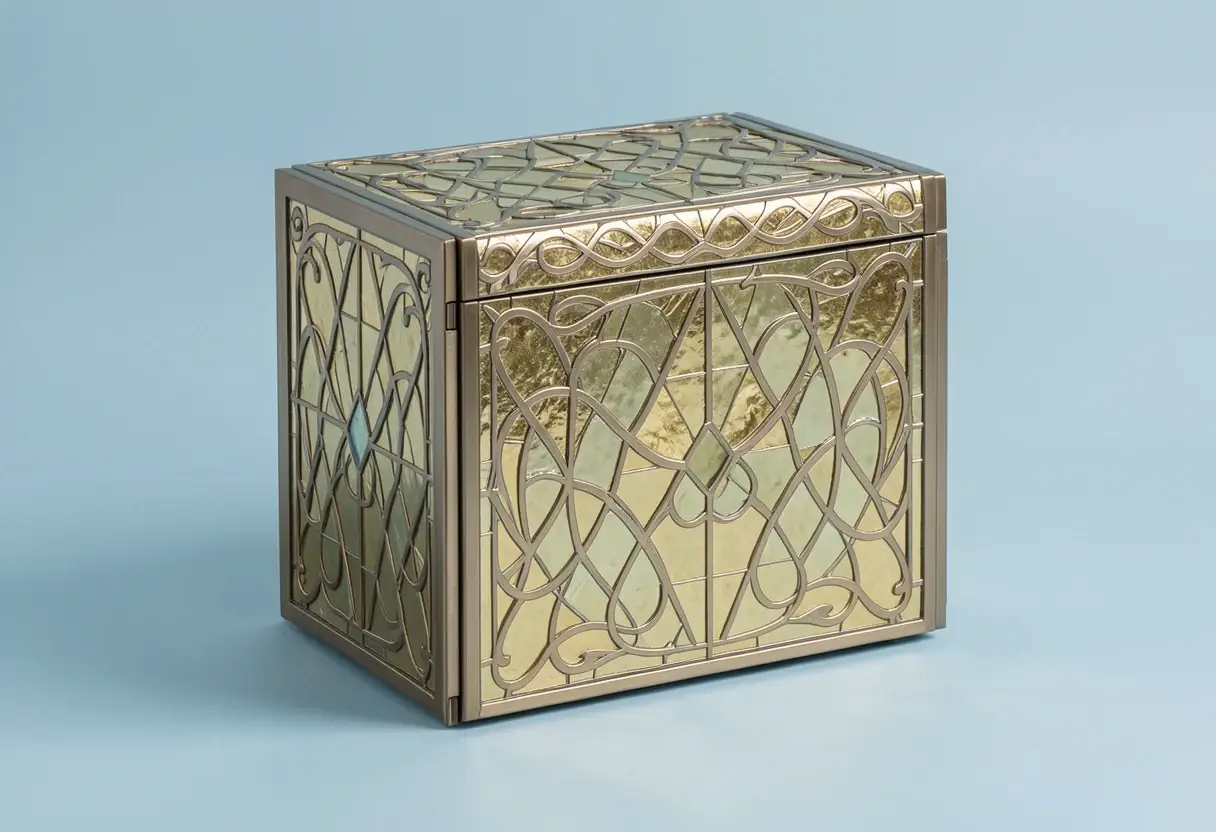
Oribe's holiday gift sets run from $42 to $310, and the top of that range anchors a fourth quarter that delivers most of the brand's seasonal sales. This year the Kao-owned hair-care label commissioned mosaicist Mathilde Herrero, whose Byzantine-geometry and Art Nouveau-inspired design launched last month as the holiday season began.
The choice is deliberate strategy, not whim. Oribe intentionally picks skilled but lesser-known artists — past collaborators include a Japanese calligrapher, a Kenyan textile artist and a French tapestry artist — betting that discovery beats celebrity recognition. Co-founder and president Daniel Kaner and vp of global marketing and creative Diana LaMura-Scarrone describe the annual collaboration as both a brand-building tool and a sales driver, paired with Oribe's best-performing salons.
What does the artist bring beyond packaging?
More than a pretty box. Kaner frames the collaboration as internal infrastructure. "The holiday collaboration is a way to develop and play with our own art and craft, and it becomes a form of leadership and development of the collaborative spirit," he said. "Everyone in the company gets involved in creating the holiday collaboration. It's really good for the team."
The marketing leans hard on process. Herrero built a real mosaic of gold and plaster that became the packaging design; the campaign shows her drawing the design, mixing the material and placing every tile by hand.
LaMura-Scarrone positions this explicitly against generative AI, which Oribe bans from all creative product work. "A lot of brands are doing artist collabs right now in reaction to AI," she said. "It's a big trend in beauty and fashion, and this is just another stake in the ground in support of human-made art. That feels more meaningful than ever right now."
Why a mosaic landed in Oklahoma
For the first time, Oribe shipped the original artwork itself to a retail partner: Flaunt Salon in Oklahoma, run by hairstylist Faith Mouse, one of the brand's top sales performers. "We've always worked with our salons on their displays, but this is the first time we're actually shipping them the art," LaMura-Scarrone said. "That's how important salon is to us."
Salons were Oribe's first channel and still drive a large share of revenue, though sales now split fairly evenly across DTC, wholesale and salon, with wholesale and e-commerce growing fastest. Oribe posted roughly $170 million in revenue when Kao Corporation acquired it in 2017; the brand says that figure has doubled since.
Will shoppers actually spend?
The signals say yes. Accenture surveyed 1,393 U.S. beauty and personal care shoppers and found 44% of Gen Z and 46% of millennial respondents expect to spend more than last year. Fifty-three percent cited higher prices; 49% want to treat themselves. Millennials plan to spend an average of $1,088 and Gen Z $1,005, both above the $885 category average.
Value still matters. Forty-eight percent plan to shop mass merchants and warehouse clubs, up from 34% in 2025, while 38% will hit discount stores, up from 34%. Shopping splits almost evenly online (52%) and in-store (48%); even active generative AI users expect 45% of purchases to happen in stores. Beauty climbed from No. 6 to No. 5 in planned holiday purchase rankings.
What else moved this week?
- Walmart stretches its holiday events to 14 days, up from 10: early Black Friday deals November 12–15, core sale November 23–29, Cyber Monday November 30 to December 2. Thousands of gifts will sit under $20, with Walmart+ members getting early access.
- Target opens with a three-day Early Black Friday Sale, November 5–7, weekend offers throughout the season, and Deal of the Day returning November 1 through Christmas Eve.
- TikTok reports 22% of U.S. users plan to shop accessories, including jewelry, during Black Friday and Cyber Monday. U.S. searches for "gold jewelry" surged 1,134% month over month in September; "opal rings" jumped 825%; #friendshipbracelet rose 120%.
Watch Oribe's fourth-quarter sell-through and Kao's next disclosure for evidence the artisan bet keeps scaling with the doubled revenue base.
via wwd.com (Original)
More from Rebecca Stone
Show full bio
Staff writer covering people, launches and day-to-day practice in professional skincare and cosmetics industry at INCI File.
120 articles
Cross-references · Related articles
- PM Studio Group acquires TNT Group, creating EUR 130m packaging player
- The Business of Fashion Asks: Where Is the Next Influencer Beauty Blockbuster?
- Coty Fights Licence Losses With a Fragrance Club of Its Own
- Maesa Magic names 2027 cohort: SPF patches, K-beauty hand care, tween nails
- MakeUp in New York 2026 draws 5,000+ visitors, 163 exhibitors
End of monograph · 3 min read