BATCH-8358 · filed
Only 7% of UK Consumers Treat Beauty as a Luxury, Report Finds
A British Beauty Council report with Oxford Economics finds only 7% of UK consumers see beauty as a treat, with households prioritising it over gyms and streaming.
By Amara Osei · · 3 min read · 531 words
Composition
- Only 7% of British consumers view personal care as purely a treat, per the Impact of Beauty report.
- UK beauty contributed £28.3bn to GDP in 2025 and supports 595,000 jobs.
- The sector generates nearly £9bn for the Exchequer.
- Three quarters of regular beauty users say their routine directly improves self-perception.
- The average UK adult spends 13 minutes daily on personal care.
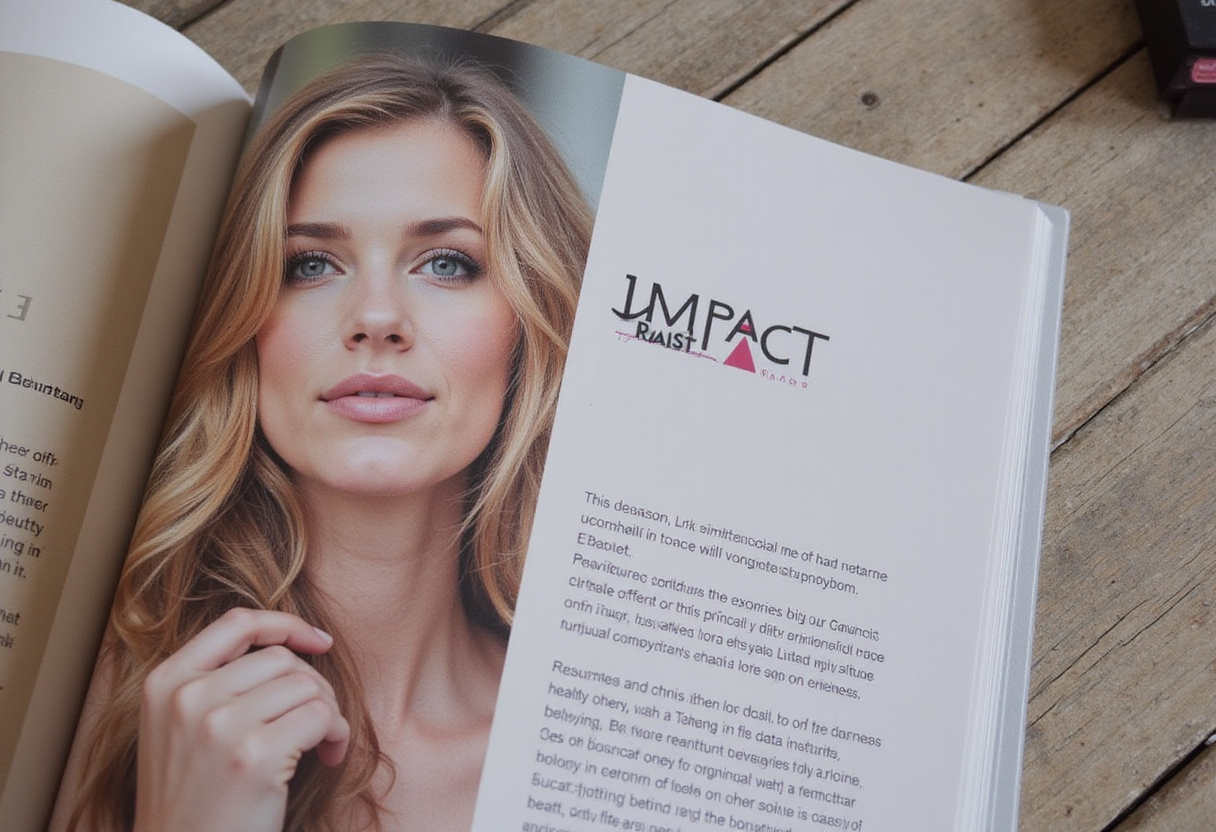
Only 7% of British consumers view personal care as purely a treat, according to the British Beauty Council's new Impact of Beauty report, produced with Oxford Economics and supported by L'Oréal Groupe. The finding upends the long-standing assumption that beauty is an easy cutback when household budgets tighten.
The report goes beyond the economic headline figures the Council has championed for years: a £28.3bn GDP contribution in 2025, 595,000 livelihoods supported and nearly £9bn generated for the Exchequer. Instead, it attempts to quantify what beauty enables — personal wellbeing, human connection and the survival of local high streets.
"What the data confirms is something everyone in our sector has always known in their gut: beauty and personal care are not trivial luxuries," wrote Millie Kendall, CEO of the British Beauty Council, who authored the report's commentary. "They are absolute necessities integrated into the fabric of British daily life."
How central is beauty to daily British life?
The behavioural data points to deep-rooted habits rather than discretionary spending:
- The average adult spends 13 minutes every single day on a personal care routine.
- Three quarters of regular beauty users say their routine has a direct, positive effect on how they feel about themselves.
- Nearly half of people report that personal care helps them feel more positive.
- Households prioritise beauty and grooming spend ahead of gym memberships, streaming services and eating out.
For formulators, brand managers and retail buyers, the message is that demand resilience in the UK beauty market rests on psychological necessity, not indulgence. That reframing matters for how companies position products, price tiers and communications during periods of consumer pressure — the case for everyday essentials framing over treat-led marketing is now backed by hard data.
What does the report mean for the industry's advocacy?
The Council has historically built its policy case on economics. The £28.3bn GDP figure, the 595,000 jobs and the nearly £9bn in tax receipts give government and regulators a clear picture of the sector's fiscal weight. The new report extends that case into social territory.
Kendall noted that the numbers alone "do not tell the whole story", which is why the Council partnered with Oxford Economics and secured backing from L'Oréal Groupe to measure wellbeing and community outcomes alongside the standard metrics.
For an industry that frequently fights the perception of triviality — in policy debates, in funding conversations and in talent recruitment — a quantified wellbeing argument strengthens its standing. Suppliers and brands can expect the Council to deploy these figures in future engagement with government, particularly around high street support and the sector's role in mental health.
What should professionals watch next?
The Impact of Beauty report establishes a social-value baseline for the UK sector. The next data points worth tracking are how the Council uses the 7% figure and the wellbeing statistics in its lobbying, and whether subsequent editions track these measures over time to demonstrate resilience through economic cycles.
Separately in the Council's calendar, tickets are now available for the 25th anniversary of the Pure Beauty Awards, taking place on 15 October 2026 at the Grosvenor House Hotel in London.
via hpcimedia.com (Original)
More from Amara Osei
Cross-references · Related articles
- 63% of consumers doubt premium beauty works better: McKinsey
- British Beauty Council Surfaces Gen Z Sustainability Manifesto
- UK Spa Association backs 10% VAT push as sector sheds 1 in 5 jobs
- Rituals Commits €20m to Youth Mental Wellbeing Programmes
- Gen Z sustainability demand hits 84%, but recycling lags behind
End of monograph · 3 min read