BATCH-6121 · filed
Lagos Spa Training Targets Hazards and Work Strain
Lagos Safety Commission’s one-day training focused on spa hazards and work-related strain, pressing operators to embed risk control in daily service delivery.
By Amara Osei · · 3 min read · 588 words
Composition
- The Lagos State Safety Commission held a one-day training programme for spa and beauty operators.
- The programme examined two risk areas: spa hazards and work-related strain among beauty professionals.
- The event theme was “Safe Hands, Safe Spaces: Building a Zero-Harm Culture in the Spa and Beauty Industry.”
- Awolesi Ademola represented Director-General Lanre Mojola; Olusola Ogunleye and Chuka Imo delivered technical sessions.
- The announcement specified no inspection date, licence condition, penalty or implementation deadline.
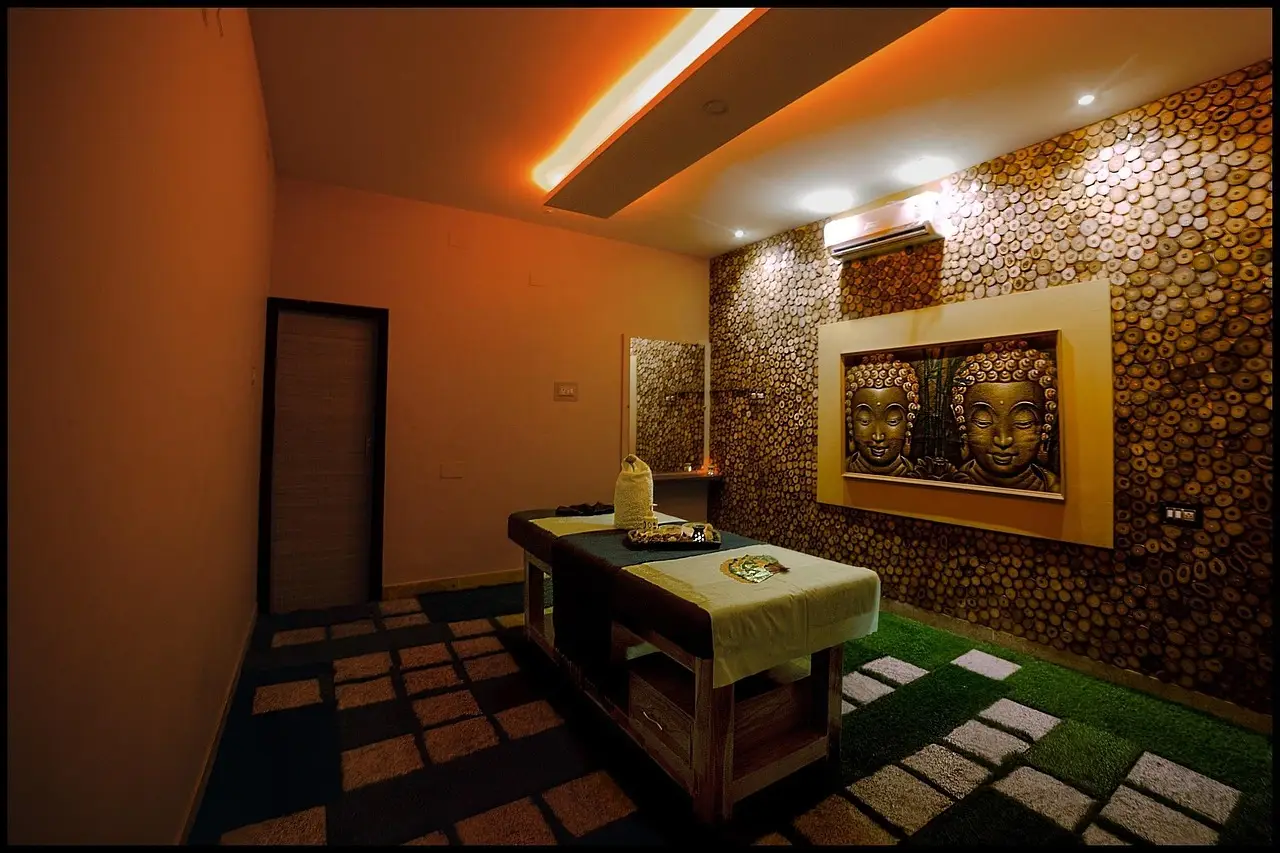
A one-day Lagos State Safety Commission training placed two occupational risks at the centre of its message to spa and beauty businesses: hazards in spa operations and the health implications of work-related strain.
The programme, themed “Safe Hands, Safe Spaces: Building a Zero-Harm Culture in the Spa and Beauty Industry,” followed the commission’s call for operators to tighten hygiene, workplace safety and risk control. The commission has also mandated stricter protocols, warning that negligence could endanger clients and expose workers to preventable injuries and health problems.
Awolesi Ademola, Director of Administration and Human Resources, delivered the charge on behalf of Director-General Lanre Mojola. Ademola said operators should treat safety as part of professional service delivery rather than an optional requirement, moving responsibility beyond formal regulatory compliance and into the routine operation of the business.
The training was intended to help practitioners “identify workplace hazards, assess operational risks and adopt measures to prevent accidents,” Ademola said. He also argued that prevention cannot rest with a compliance checklist: operators and employees need to make risk control part of daily work so that the safer environment protects staff as well as clients.
What does this change for spa and beauty operators?
For operators, the immediate change is an explicit expectation that hazard identification, risk assessment and preventive controls will shape service delivery. For the workforce, work-related strain now sits alongside physical hazards in the commission’s treatment of occupational risk.
The announcement does not name a new formulation rule, INCI requirement, treatment protocol or product category. Its direct effect is operational: supervision, staff practice and client protection must reflect a zero-harm objective rather than sit outside daily service routines.
For compliance teams, the distinction between expectation and enforceable detail is important. The release provides no inspection dates, licence conditions, financial penalties or implementation timetable. It establishes a stronger regulatory posture, but it does not supply the technical checklist needed to measure whether a spa has met it.
Two risks, two areas of control
Olusola Ogunleye, Lagos State Chairman of the Institute of Safety Professionals of Nigeria, addressed “Beyond Beauty: Advanced Risk Assessment and Hazard Control in Spa Operations.” His focus was the identification of hazards and the selection of appropriate control measures, extending the discussion from general hygiene to safer working conditions.
Chuka Imo, Chief Medical Director of Skintetics Clinics, handled occupational health and ergonomic safety. He focused on measures intended to protect beauty professionals from work-related health risks. Together, the sessions treated physical hazards and worker health as separate but connected assessment areas. The release does not quantify exposure levels or prescribe ergonomic equipment.
From training to operating routine
Mojola urged participants to convert the training into improved workplace practices, better client protection and safer conditions for staff. He said the commission remained committed to extending safety awareness across sectors of the Lagos economy.
The stated beneficiaries of that wider work are workers, business operators, residents and visitors. Abiola Mary Abiola, head of the Commission’s Spa, Gym, Cinema, Parks and Gardens Unit, reinforced the implementation message by urging participants to apply the lessons in their businesses.
For operators, the practical test is whether the two risks become daily routines: a process for finding and controlling hazards, and measures that address work-related strain among staff. The announcement does not define the method, frequency or benchmark for either process.
The next data point to watch is a formal implementation notice, inspection checklist or timetable showing how the stricter protocols will be assessed.
via Google News - Spa Industry News (Source)
More from Amara Osei
Show full bio
News editor covering technology and product news in professional skincare and cosmetics industry at INCI File.
134 articles
Cross-references · Related articles
End of monograph · 3 min read