BATCH-5255 · filed
June in review: FDA sunscreen approval, Omnibus VI, animal testing phase-out
June delivered three regulatory inflection points: FDA movement on sunscreen actives, an EU Omnibus VI deal, and fresh momentum on phasing out animal testing.
By Marcus Bennett · · 3 min read · 650 words
Composition
- US FDA action on sunscreen active ingredients advanced in June, with implications for the limited filter palette available to US formulators
- The EU reached a political deal on the Omnibus VI regulatory package, setting the next round of amendments for cosmetics compliance
- Momentum continued on phasing out animal testing, affecting safety dossier strategies and ingredient registration timelines
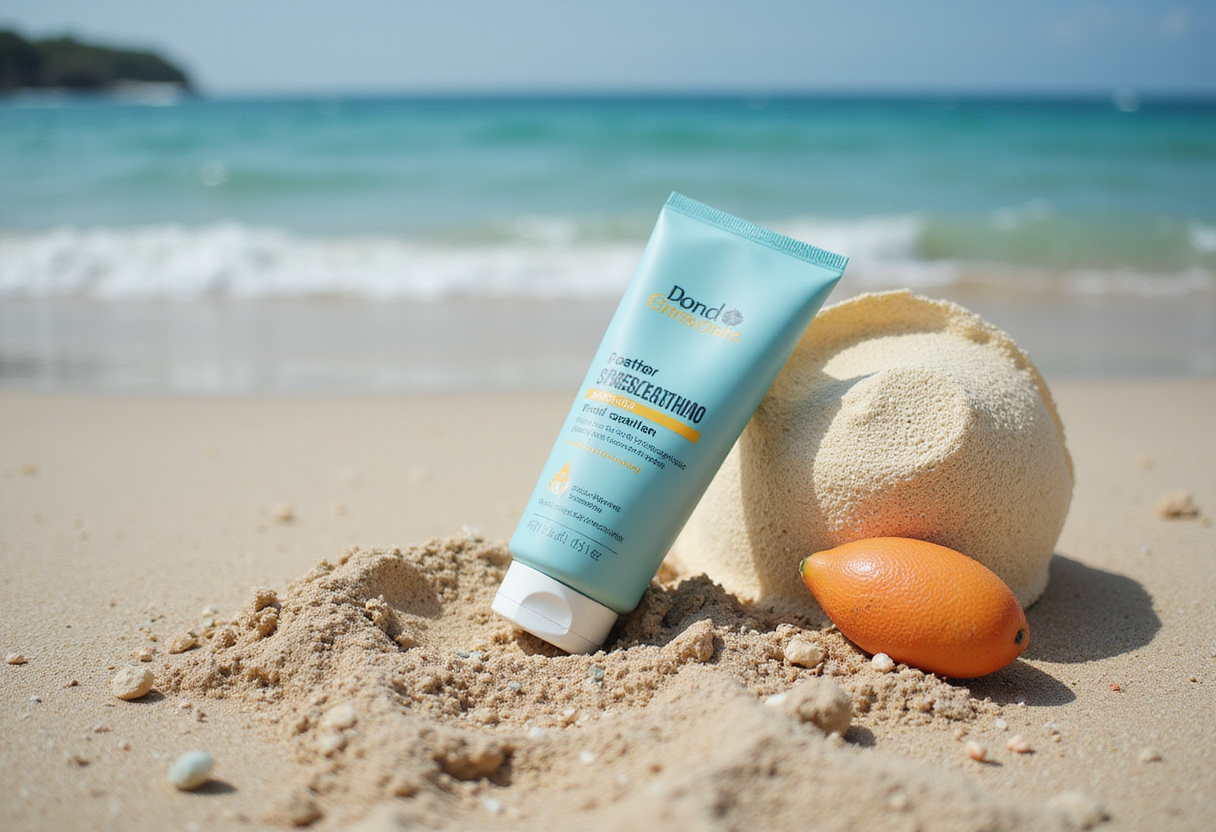
June closed with three regulatory developments sitting at the top of the agenda for formulators, regulatory affairs teams and buyers across the cosmetics and personal care supply chain: a US FDA action on sunscreen active ingredients, agreement on the EU's Omnibus VI regulatory package, and continued movement toward phasing out animal testing.
Each story touches a different pressure point in the industry. Sunscreen actives determine what protection claims a brand can legally make in the US market. The Omnibus package reshapes how EU cosmetic compliance work is sequenced and resourced. And the animal testing debate continues to define how safety dossiers are built and defended.
FDA and sunscreen actives
The FDA's handling of sunscreen active ingredients remains one of the longest-running unresolved files in US cosmetics and drug regulation. Most UV filters in common use globally still lack final FDA approval for use in the American market, which locks US formulators into a short list of permitted actives while competitors in Europe and Asia work from a much broader palette.
Any June movement on an active approval matters directly to procurement teams. A new or advanced approval changes raw material sourcing plans, affects which supplier portfolios are relevant for the US market, and can reset competitive positioning for finished sun care brands. Conversely, continued delay keeps the burden on brands to formulate around the existing filter set, often at the cost of elegant texture and photostability trade-offs that formulators in other markets do not face.
For regulatory affairs staff, each step in the FDA process — a proposed order, a comment period, a final monograph decision — creates a documentable compliance deadline. Missing the comment window on an active ingredient rule means living with decisions the team had no input on.
Omnibus VI: the EU deal
The European Commission's Omnibus regulatory packages have progressively consolidated and amended the legal framework governing cosmetics in the EU, including the Cosmetics Regulation's annexes, notification procedures and conformity requirements.
A political deal on the sixth Omnibus package, reached in June, matters because it locks in the next set of amendments that responsible persons and distributors must implement. The practical consequences land in several places: updated restricted substances lists require formula re-screening against the new annex text; changes to labeling or notification obligations add workload to the regulatory calendar; and any shifts in transition periods determine how quickly legacy stock can be sold through.
Distributors and brand owners selling into the EU should treat the Omnibus VI agreement as a planning trigger rather than a legal footnote. The interval between political agreement and publication in the Official Journal is when internal gap assessments are cheapest to run.
Phasing out animal testing
The third thread of the month — the push to phase out animal testing — continues to gain institutional weight. The cosmetics industry has operated under EU marketing bans on animal-tested cosmetics for over a decade, but the broader chemicals framework, particularly REACH, has kept animal studies in the picture for certain ingredient safety data requirements.
Every advance in accepted alternatives — new approach methodologies, read-across strategies, in vitro assays — reduces the cost and friction of building safety dossiers. For suppliers, an accepted alternative method can shorten the path to registering a new ingredient. For advocacy-driven brands, progress on the phase-out is a claim that can be made to consumers with increasing precision.
What to watch
The sequencing of the next steps is now the story. For the FDA file, watch for publication timelines on any sunscreen active rulemaking and the opening of comment periods. For Omnibus VI, the text must move from political agreement to formal adoption and Official Journal publication — that date sets the compliance clock. On animal testing, the next data point is which validated alternative methods gain formal regulatory acceptance, and when.
Teams that map these deadlines now will face fewer emergency reformulations later.
via Google News - Cosmetics Regulation (Source)
More from Marcus Bennett
Show full bio
Correspondent covering consumer brands and retail at INCI File.
106 articles
Cross-references · Related articles
- FDA adds new UV filter to updated sunscreen monograph
- Six beauty ingredients legal in US, banned in EU: the compliance gap that shapes formulation
- Personal Care Still Carries Toxic Chemicals As Oversight Stays Thin
- New EU Regulation Tightens Rules on Cosmetic Substances
- US states push against toxic cosmetic chemicals as federal laws fall short
End of monograph · 3 min read