BATCH-3780 · filed
GEKA hits 100 years with 63% emissions cut and full renewable electricity
GEKA marks 100 years with a 63% emissions reduction and 100% renewable electricity across its global operations, but buyers will want third-party verification and Scope 3 detail before scoring the figures into supplier matrices.
By Marcus Bennett · · 3 min read · 564 words
Composition
- GEKA marks 100 years of operation in the cosmetics supply chain
- 63% reduction in emissions reported across global operations
- 100% renewable electricity across the company's worldwide production footprint
- Base year, scope boundaries and third-party verification details are not specified in the announcement
- The figures arrive as mandatory ESG disclosure rules tighten across the EU, UK, US and Asia-Pacific
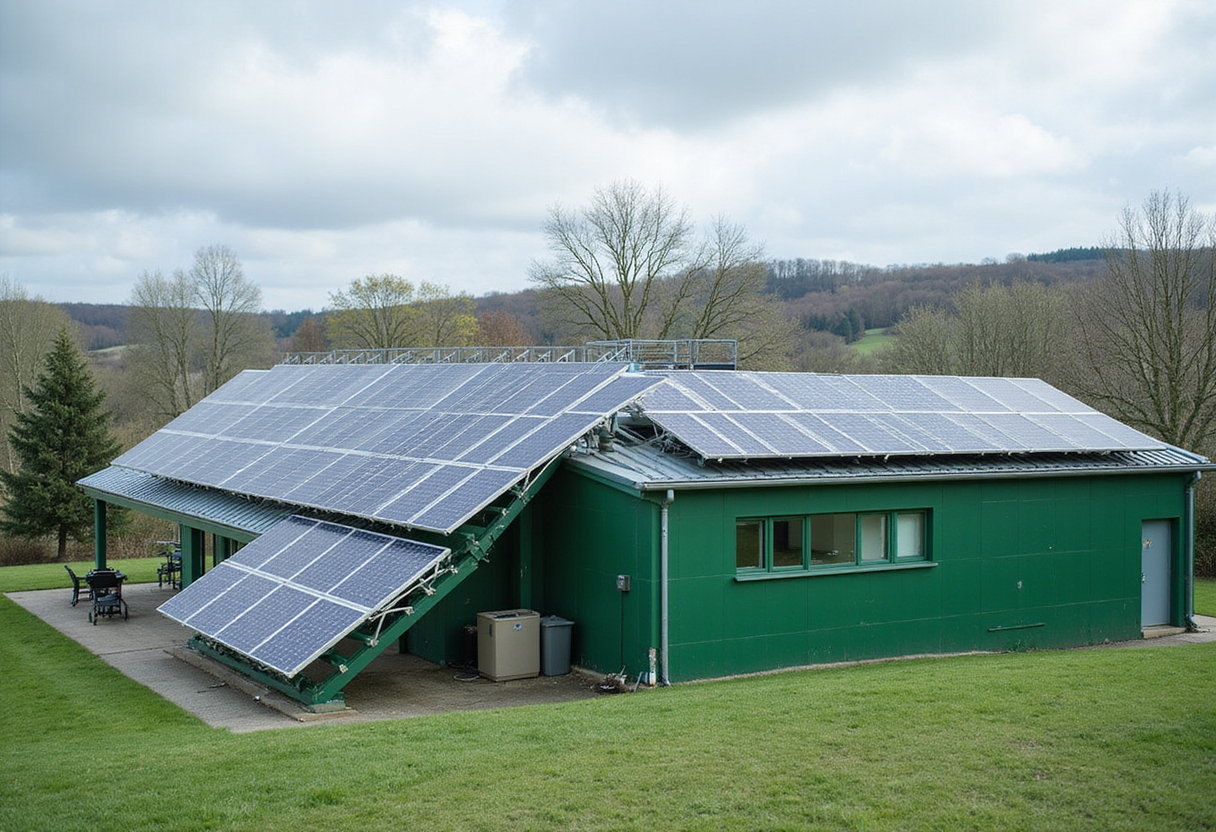
GEKA, a manufacturer serving the global cosmetics industry, has marked its 100-year anniversary with two environmental disclosures: a 63% reduction in operational emissions and 100% renewable electricity across its worldwide production footprint.
The figures, reported by Cosmetics Business, anchor the company's centenary around measurable environmental performance rather than retrospective anniversary marketing. For a supplier to the beauty and personal care industry, those numbers carry weight in procurement scoring and ESG audits now shaping vendor selection across the value chain.
What does the 63% emissions cut actually cover?
GEKA's headline figure is 63%. The disclosure does not specify the base year, the GHG Protocol scope boundaries, or whether the reduction has been third-party verified. Each of those data points typically appears in a CDP filing or an SBTi-validated target, and their absence leaves brand buyers with limited basis to benchmark the supplier against competitors in beauty manufacturing and components.
For procurement teams running RFPs with weighted sustainability criteria, that gap is consequential. A 63% reduction framed in a press release reads very differently from a 63% cut verified under ISO 14064-1 or audited against the GHG Protocol Corporate Standard. Buyers should request the supporting methodology before folding the figure into supplier scorecards.
How does 100% renewable electricity translate into a verifiable claim?
The second milestone, 100% renewable electricity across global operations, is the more defensible claim on its face. Power sourcing can be evidenced through energy attribute certificates, on-site generation records, or power purchase agreements tied to named renewable projects. GEKA's statement therefore translates more directly into a procurement checklist item: contractually clean electricity at every site.
That distinction matters for cosmetic and personal care brands operating under their own science-based targets. Where a buyer has committed to Scope 2 reductions, a supplier able to deliver verified renewable power removes a layer of upstream emissions accounting. It also supports brand-level disclosures now required under expanding mandatory sustainability reporting rules across the EU, UK, US and Asia-Pacific.
Why does the timing matter?
Reaching both milestones at the company's 100-year mark is a strategic convenience. The anniversary offers a natural narrative anchor for a sustainability report without forcing the company to commit to a specific base year in its headline. It also lands in a regulatory environment where the EU Corporate Sustainability Reporting Directive, the Ecodesign for Sustainable Products Regulation, and emerging supply-chain due-diligence laws are tightening what suppliers must disclose to their beauty and personal care customers.
What should buyers and compliance teams watch next?
Three data points will determine whether the anniversary numbers convert into durable supplier advantage:
- A published base year and methodology for the 63% emissions reduction, ideally third-party verified.
- Disclosure of Scope 3 categories, particularly purchased goods and services, which dominate cosmetic manufacturing supply chains.
- Site-level breakdowns, particularly for high-energy forming, decoration and assembly lines.
Until those appear, the 63% figure remains a credible headline and an unverified claim simultaneously. The 100% renewable electricity mark, by contrast, can be evidenced quickly through electricity contracts and on-site generation records.
GEKA's centenary data lands in a period when the cosmetics value chain is moving from voluntary ESG reporting to mandatory disclosure. The supplier's next annual sustainability report will reveal whether the anniversary numbers mark a new operational baseline or a one-off celebration.
via Google News - Cosmetics Sustainability (Source)
More from Marcus Bennett
Show full bio
Correspondent covering consumer brands and retail at INCI File.
106 articles
Cross-references · Related articles
- GEKA posts 63% emissions cut, 100% renewable electricity at 100-year mark
- Natura opens free ESG impact measurement platform to businesses
- M&S appoints new Beauty Director of Sourcing, Quality and Sustainability
- CTPA and Forum for the Future Release Sustainability Handbook for Cosmetics Firms
- 2026 Shapes Up as Beauty's Accountability Deadline
End of monograph · 3 min read