BATCH-9626 · filed
EU PFAS ban hits cosmetics 10 October 2026: what formulators must do now
PFHxA restrictions hit EU cosmetics on 10 October 2026 at 25 ppb, as the universal REACH PFAS ban and the 25-year PLD liability window converge on beauty brands.
By Sophie Lindqvist · · 4 min read · 797 words
Composition
- From 10 October 2026, EU cosmetics may not contain PFHxA and salts at ≥25 ppb or PFHxA-related substances at ≥1000 ppb.
- FDA's December 2025 study found 51 PFAS across 1,744 US cosmetic formulations; ~56% were eye shadows, foundations, powders, eyeliners and face products.
- The revised PLD extends the limitation period for latent health damage from 10 to 25 years; transposition deadline is 9 December 2026.
- France banned PFAS in cosmetics from 1 January 2026, extending to all textiles by 1 January 2030.
- OEKO-TEX tightened its PFAS limit to 25 µg/kg across all standards effective 1 January 2026.
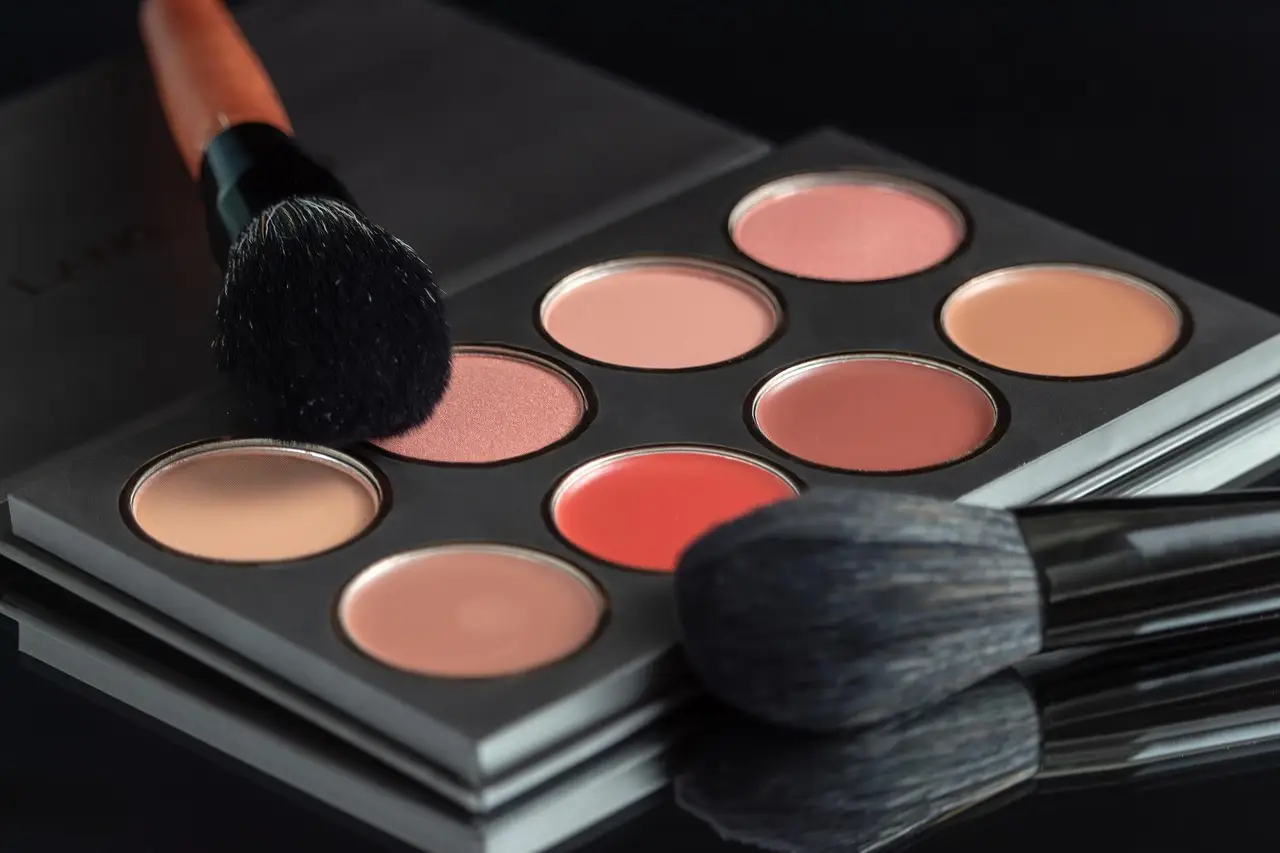
From 10 October 2026, cosmetic products containing PFHxA and its salts at or above 25 ppb, or PFHxA-related substances at or above 1000 ppb in homogeneous material, can no longer be placed on the EU market. Regulation (EU) 2024/2462 applies the same thresholds to clothing textiles, footwear mixtures and food-contact paper, with 10 October 2027 set for other leather and textile articles. Products placed on the market before those dates escape under a grandfathering clause — provided the supplier can prove it.
That ban is a dress rehearsal. The universal PFAS restriction proposed under REACH by Germany, Denmark, the Netherlands, Norway and Sweden covers roughly 10,000 substances, with proposed limits of 50 ppm total PFAS, 25 ppb per individual PFAS and 250 ppb for the sum of targeted PFAS. The Risk Assessment Committee adopted its final opinion in March 2026. SEAC's opinion is expected end-2026, a Commission decision could follow in 2027/2028, and binding restrictions may bite around 2030/2031 after an 18-month transition.
How big is PFAS use in cosmetics?
An FDA study published in December 2025 identified 51 PFAS intentionally used as ingredients across 1,744 product formulations sold in the US. Eye shadows, face and neck products, eyeliners, face powders and foundations accounted for roughly 56% of all PFAS-containing cosmetics. The FDA concluded it had insufficient data to determine their safety.
The functional case explains the persistence of use: waterproof, oil-repellent and smoothing properties. Substitutes exist — natural waxes, mineral pigments and alternative polymers in personal care — but suitability depends on performance, cost and supply at commercial scale.
What does the liability reform change?
The revised Product Liability Directive (EU) 2024/2853 must be transposed by 9 December 2026; Germany's implementing law enters force that same day. Three changes matter for PFAS exposure:
- The limitation period for latent health damage extends from 10 to 25 years, exposing companies to claims over conduct decades old.
- Article 10(4) presumes defectiveness or causation where scientific complexity makes full proof excessively difficult — the bar drops from "certain" to "plausible".
- Courts may order disclosure of evidence once a claim is plausible, making records on formulation, testing and supplier data litigation-critical.
US precedent shows the stakes. DuPont and Chemours paid USD 671 million in 2017 to settle around 3,550 PFOA personal injury claims. In 2023, 3M settled with US public water systems for USD 10.3 billion; DuPont, Chemours and Corteva paid a further USD 1.185 billion. Thousands of claims remain pending.
Which national rules already apply?
France banned PFAS in cosmetics, ski wax and consumer apparel above residual concentration limits from 1 January 2026, with exemptions for certain protective and recycled-content items and a 12-month sell-through period; the ban extends to all textiles by 1 January 2030. Italy's MITENI case produced convictions with sentences totalling 141 years and civil damages above EUR 75 million. On 13 April 2026, the Regional Court of Baden-Baden held a waste company liable in principle for PFAS groundwater contamination, with the claimant seeking roughly EUR 6.5 million.
What do enforcement actions show?
Marketing claims are now the entry point. In April 2026 the Texas Attorney General opened a civil investigative demand against Lululemon over whether its activewear contained PFAS that "health-conscious customers would not expect". The 22 October 2026 Assurance of Voluntary Compliance requires three years of enforced chemical safety requirements, including independent lab testing or third-party certification of vendor compliance — with no admission of wrongdoing and no financial penalty.
In October 2025, a US federal court approved a USD 1.5 million settlement against Rust-Oleum over "Non-Toxic" claims, now the reference precedent for unsubstantiated safety claims. A pending class action alleges Ulta Beauty products marketed under its "Conscious Beauty" program contained ingredients on the brand's own "Made Without List".
Certification thresholds are also tightening ahead of legislation. OEKO-TEX cut its PFAS limit to 25 µg/kg across all standards from 1 January 2026, with the full update applying from 1 June 2026 — pulling compliance deadlines forward through supplier contracts.
How should brands prepare?
White & Case's analysis sets out four actions: map current obligations against proposals with later application dates; verify products through risk-based testing rather than supplier assurances — Danish Consumer Council testing in May 2025 found banned PFAS in waterproof jackets sold by retailers including Temu; watch US litigation as a preview, since the Representative Actions Directive (EU) 2020/1828 now enables collective redress; and substitute with diligence, because replacements like cyclosiloxanes D4, D5 and D6 carry their own restrictions.
The next data point to watch: SEAC's final opinion, expected end-2026, which will shape the derogation landscape before the Commission decides in 2027/2028.
via environment.ec.europa.eu (Original)
More from Sophie Lindqvist
Show full bio
Market editor covering regulation, policy and their impact on professional skincare and cosmetics industry at INCI File.
109 articles
Cross-references · Related articles
- EU cosmetics face PFHxA limits as REACH transition ends
- Europe Sets a New PFHxA Ceiling for Cosmetics, Textiles and Food Contact
- PFAS in Cosmetics: The Compliance Question Formulators Can No Longer Avoid
- FDA Cannot Rule on PFAS Safety in Cosmetics, Cites Data Gaps
- FDA Issues Report on PFAS in Cosmetics: Key Findings and Regulatory Implications
End of monograph · 4 min read