BATCH-2277 · filed
Aesthetic medicine expands as scrutiny and regulation catch up
ISAPS counted 35.2 million procedures in 2025 as injectables, regenerative treatments and India’s injection and clinic-registration rules reshape aesthetic practice.
By Amara Osei · · 5 min read · 1,051 words
Composition
- ISAPS estimated 35.2 million surgical and non-surgical aesthetic procedures worldwide in its 2025 survey.
- The survey recorded approximately 7.3 million botulinum toxin and 4.7 million hyaluronic acid filler procedures, both down from 2024.
- Global aesthetic medicine was estimated at $98.8 billion in 2025 and $240 billion by 2033; a separate medical-aesthetics estimate was $19.55 billion and $40.60 billion by 2031.
- India’s May 2026 injection advisory bars cosmetic products from injection; Karnataka moved in November 2025 to require registration of clinical cosmetic establishments.
- A 2026 Association of Cutaneous Surgeons of India statement assessed six emerging treatment categories and flagged evidence, protocol, safety and promotional-claim gaps.
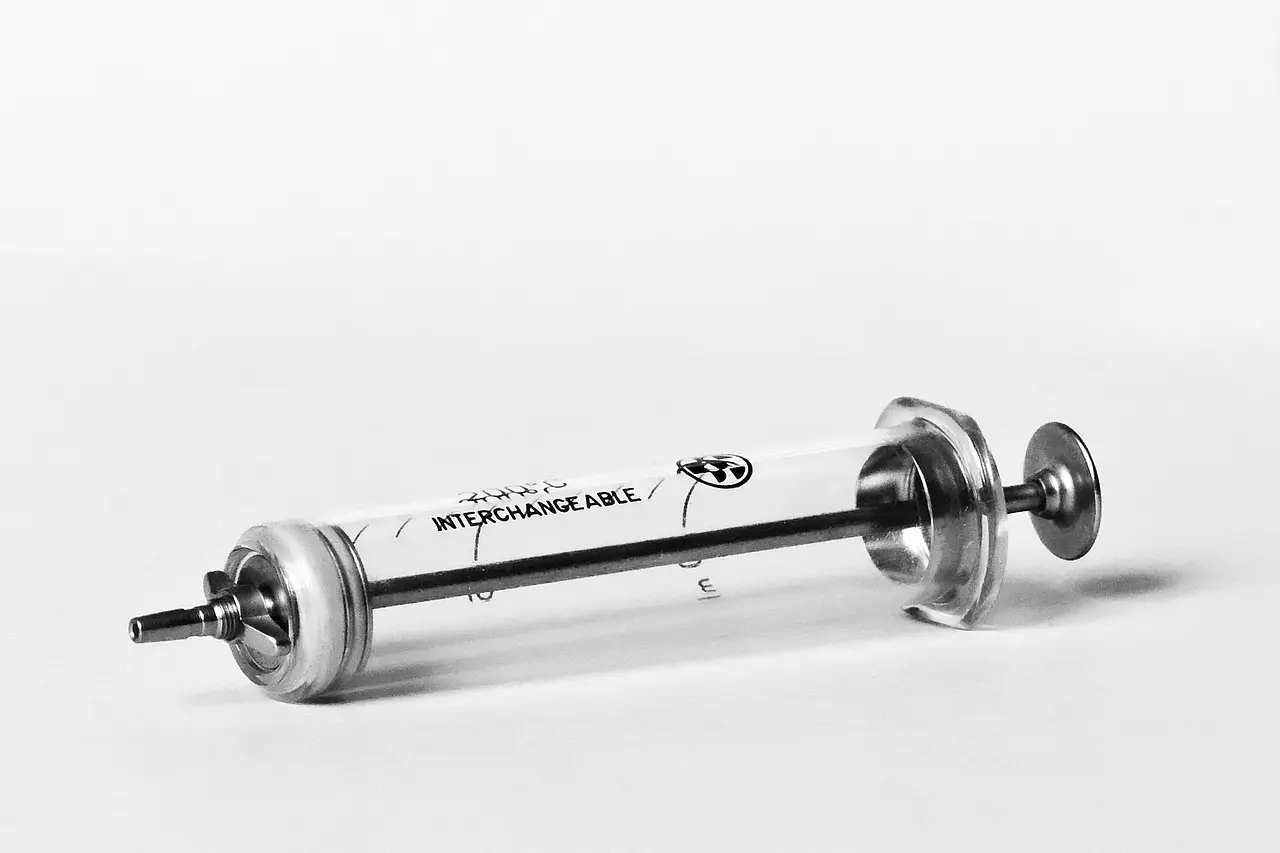
The International Society of Aesthetic Plastic Surgery (ISAPS) estimated 35.2 million surgical and non-surgical aesthetic procedures worldwide in its 2025 Global Survey, a scale marker for an industry spanning clinical dermatology, injectables, hair restoration, cosmetic dentistry and surgery.
In that plastic-surgeon survey, practitioners reported approximately 7.3 million botulinum toxin procedures and 4.7 million hyaluronic acid filler procedures. Both declined from 2024 but remained among the most frequently reported non-surgical interventions. The survey does not account for every salon service, dermatological treatment or cosmetic dental procedure, so it measures scale rather than the whole market.
What does the $98.8 billion estimate include?
One estimate values global aesthetic medicine at $98.8 billion in 2025 and projects $240 billion by 2033, driven by minimally invasive procedures, medical technologies and appearance-related healthcare. North America accounted for an estimated 32.4% of 2025 revenue; clinics and aesthetic centres represented a significant share.
The figures are not contradictory growth claims: they are commercial estimates, not treatment counts, with apparently different service definitions. Another estimate values global medical aesthetics at $19.55 billion in 2025 and forecasts $40.60 billion by 2031. Inclusion criteria therefore matter before either forecast informs a clinic rollout, device purchase or category plan.
Cosmetologists, dermatologists, plastic surgeons, dental specialists, medical-device manufacturers and specialised clinics now converge behind these services. Cosmetology covers beauty and grooming; aesthetic dermatology covers medical skin and hair treatments, injectables and lasers; cosmetic dentistry addresses dental and smile aesthetics; aesthetic plastic surgery alters facial or body structures. Qualifications, complexity, outcomes and risks differ.
What does the treatment menu now include?
Aesthetic dermatology spans chemical peels, medical depigmentation, microdermabrasion, microneedling and laser resurfacing for concerns including acne scars, uneven pigmentation, texture and visible ageing, alongside laser hair removal. Chemical peels use controlled exfoliation; hydradermabrasion treatments, including branded HydraFacial services, combine cleansing, exfoliation and hydration. Selected non-surgical procedures may involve less downtime than surgery, but effectiveness, indications and recovery vary.
A superficial cosmetic facial should not be equated with a deeper medical chemical peel or laser resurfacing procedure.
Botulinum toxin, commonly associated with Botox, temporarily relaxes targeted muscles to reduce certain facial lines; hyaluronic acid fillers restore or enhance facial volume. Skin boosters and collagen-stimulating injectables have expanded the menu, which now combines dermatological expertise, specialised devices and individualised treatment planning.
Hair aesthetics includes medical hair-loss management, platelet-rich plasma treatments, scalp procedures and surgical hair transplantation. Its personal and social importance is clear, but effectiveness, invasiveness and supporting evidence differ.
Cosmetic dentistry includes whitening, veneers, bonding and smile makeovers. Tooth gems, dental crystals and customised grills have gained visibility through celebrity culture, fashion and social media, although they function primarily as personal expression rather than therapy.
Decorative modifications can damage enamel, accumulate plaque, irritate the mouth and cause oral-health complications, particularly with unsuitable materials or application methods. The American Dental Association advises against tooth gems and oral jewellery because of potential adverse outcomes.
Rhinoplasty, eyelid surgery, liposuction and facelifts remain significant options, but surgery requires distinct patient assessment, anaesthesia, recovery and postoperative care.
Why are consumers choosing these treatments?
For some consumers, treatments address longstanding acne scarring, pigmentation, hair loss or visible ageing, or offer targeted improvement without conventional surgery. Outpatient delivery, more choices and visible clinics have made services easier to discover, although affordability, accessibility and outcomes vary.
A 2024 systematic review of 25 studies and 13,731 participants examined links among social media exposure, body dissatisfaction and consideration of cosmetic procedures. Before-and-after photographs, influencer recommendations, celebrity transformations, selfies and digitally altered images shape exposure to beauty ideals. The findings show associations, not proof that social media alone causes treatment seeking.
Digital visibility can give tooth gems, skin boosters and newer facial rejuvenation treatments an audience before reliable data establishes their scale. Popularity does not demonstrate clinical effectiveness or widespread adoption, requiring providers to separate online interest from evidence-based recommendation.
Which technologies are ready for routine use?
Laser platforms, radiofrequency devices, ultrasound-based systems and evolving injectable techniques enable specialised choices, and some clinics combine several technologies or procedures. Greater sophistication does not guarantee better results; selection still depends on individual clinical need and evidence.
Polydeoxyribonucleotides, exosome-based treatments, thread lifts and regenerative approaches have attracted attention.
A 2026 consensus position statement from the Association of Cutaneous Surgeons of India, published in the Journal of Cutaneous and Aesthetic Surgery, examined six emerging categories and flagged limited clinical evidence, inconsistent protocols, uncertain long-term safety and promotional claims. Each procedure needs individual assessment rather than an assumption that all new technology is proven.
What changes under India’s new controls?
In May 2026, India’s drug regulator issued an advisory clarifying that “cosmetic products are not permitted to be administered as injections.” Separately, Karnataka moved in November 2025 to require registration of establishments offering clinical cosmetic procedures under the state’s private medical establishments framework. Route of administration, establishment status and clinical oversight now sit in compliance planning.
For product teams, the injection advisory requires a hard separation between cosmetic products and regulated medical interventions. Claims, route-of-use controls and clinic protocols must reflect that distinction.
For clinics, services should be classified by clinical complexity, with practitioner qualifications, patient assessment, informed consent, realistic expectations, complication disclosure and recovery guidance. Even minimally invasive interventions can cause infection, pigmentation changes, skin injury, allergic reactions or unintended aesthetic outcomes. Karnataka’s rule adds an establishment-level registration checkpoint.
For suppliers and treatment-menu planners, device sophistication and brand visibility cannot substitute for evidence, consistent protocols or clear indications. Procurement should separate grooming from medical peels, injectables, dental procedures and surgery rather than grouping them under one “aesthetic” menu.
Patients and client advisers should look beyond price, convenience or visible results and ask:
- Who is qualified to perform the procedure?
- What evidence supports its effectiveness?
- Are possible complications, limitations and recovery requirements being explained clearly?
The next checkpoints are clearer market definitions, implementation of Karnataka’s registration rule and India’s injection advisory, and better evidence for the six emerging categories examined in the 2026 consensus, including safety, protocols and long-term effectiveness. Until those data arrive, clinical credibility, responsible communication and informed decision-making—not projected market size—will determine which innovations become durable treatment protocols.
via Google News - Cosmetic Dermatology (Source)
More from Amara Osei
Show full bio
News editor covering technology and product news in professional skincare and cosmetics industry at INCI File.
131 articles
Cross-references · Related articles
End of monograph · 5 min read